
 info@apexautoparts.co.uk
 +44 203 915 7535
 Safe & Fast Shipping
 Whish List
 Compare
 Sign In

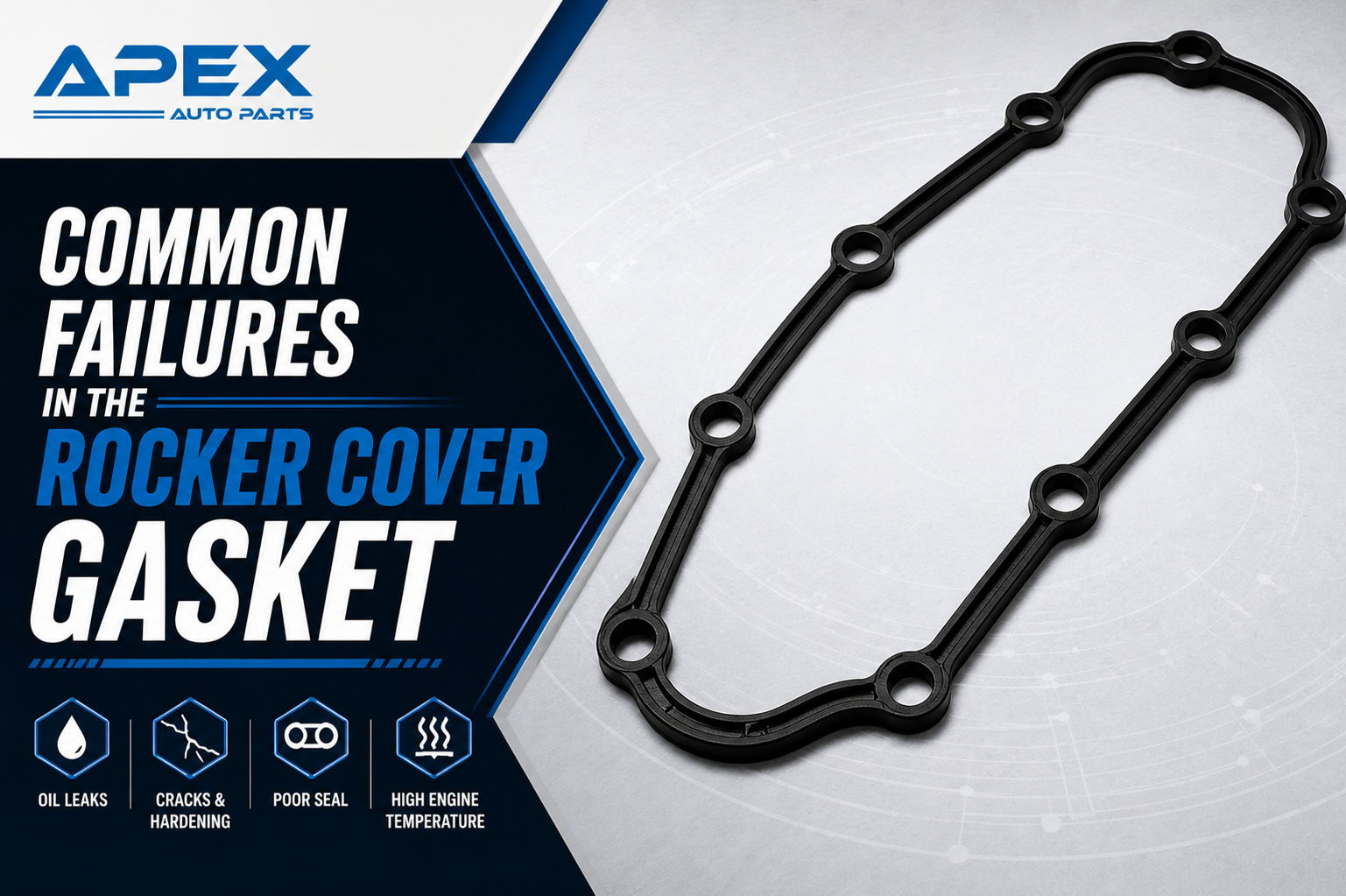
The rocker cover gasket is a small part, but it plays a big role in protecting the engine. It sits between the rocker cover and the cylinder head and helps seal engine oil inside the top part of the engine. When this seal weakens, oil starts to leak, dirt builds up around the engine, and other parts can be affected.
Many car owners do not notice this problem early because the gasket is not easy to see during daily use. The issue often starts as a small oil seep, then slowly turns into a larger leak. If ignored, the problem can lead to a dirty engine, low oil levels, a burning smell, rough performance, and additional repair costs.
This guide covers only the main points. It explains what a rocker cover gasket is, why it fails, the most common symptoms of a rocker cover gasket leak, why the BMW rocker cover gasket issue is important, and what drivers should do before the leak gets worse.
If you are asking what a rocker cover gasket is, the simple answer is this: it is a seal that keeps engine oil inside the top of the engine. The rocker cover sits on top of the cylinder head, and the gasket fits between them to stop oil from leaking out.
The engine generates heat whenever the car runs. Oil lubricates moving parts throughout the engine. The rocker cover gasket helps hold that oil in the right place while also keeping dirt, dust, and moisture away from sensitive engine parts.
A healthy gasket does its job quietly. Most people do not think about it until they see oil around the engine or smell burnt oil. That is why this part often gets attention only after it starts to fail.
Why Does the Rocker Cover Gasket Fail
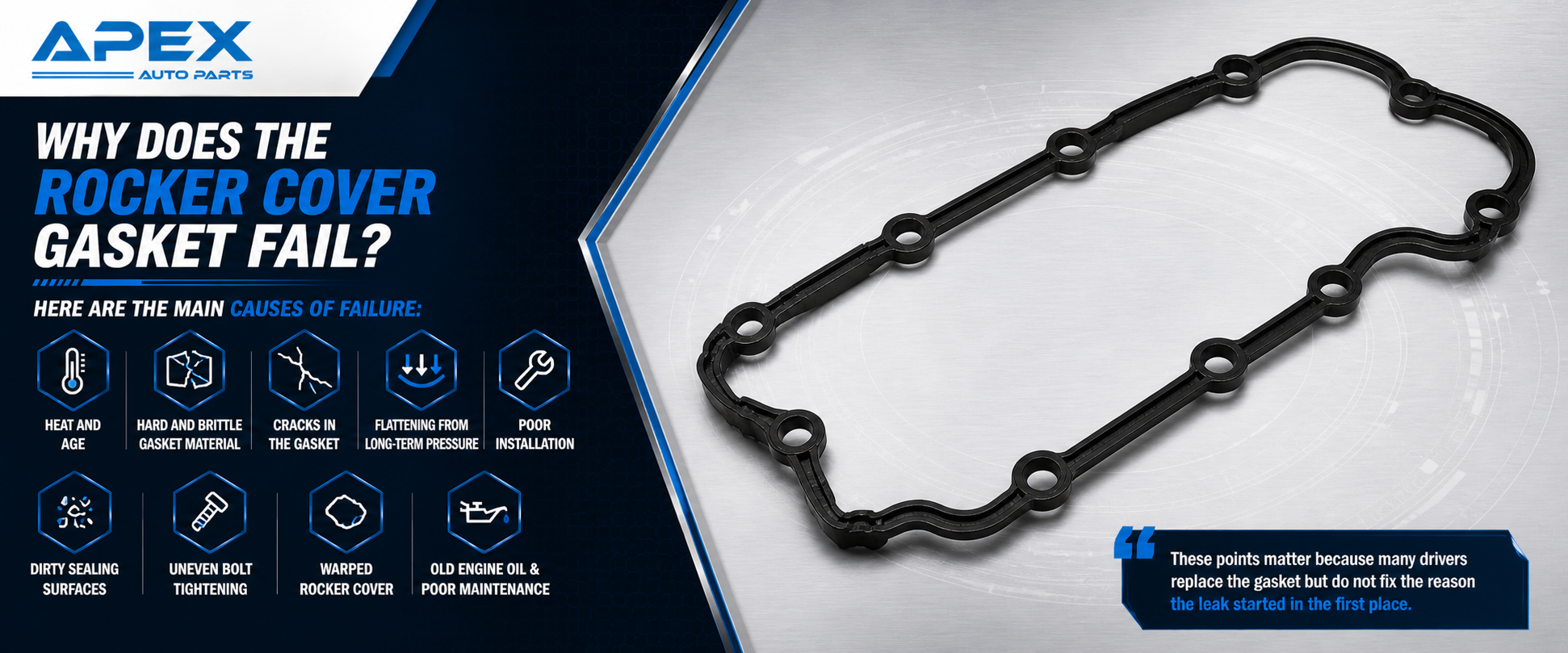
The most common reason a rocker cover gasket fails is heat. The top of the engine gets hot every time you drive, then cools down again when the engine is off. Over time, this heating and cooling cycle hardens and dries the gasket, making it less flexible. Once that happens, it cannot seal properly.
Age is another major reason. Even if the car is driven carefully, the gasket material will wear out with time. It may crack, shrink, or flatten, which opens small gaps where oil can escape.
Poor installation can also cause early failure. If the gasket is not seated correctly, if the surface is not cleaned well, or if the bolts are tightened too much or too little, the seal may fail even after a recent replacement.
In some cases, the gasket is not the only issue. The rocker cover itself may become slightly warped from age and heat. When that happens, even a new rocker cover gasket may not seal properly.
- Here are the main causes of failure:
- Heat and age
- Hard and brittle gasket material
- Cracks in the gasket
- Flattening from long-term pressure
- Poor installation
- Dirty sealing surfaces
- Uneven bolt tightening
- Warped rocker cover
- Old engine oil and poor maintenance
These points matter because many drivers replace the gasket but do not address the underlying cause of the leak.
Common Failures In the Rocker Cover Gasket
Not every gasket problem looks the same. Some fail slowly. Others fail faster and cause clear signs right away.
One common failure is gasket hardening. The material loses its softness and can no longer press tightly between the metal surfaces. This often causes light oil seepage around the edges of the cover.
Another common failure is cracking. Small cracks appear in the gasket as it gets older. These cracks may start small, but they grow with heat and pressure, allowing more oil to leak out.
Flattening is also very common. The gasket can lose its original shape after years of being pressed between the cover and the engine. A flattened gasket may still be in place, but it no longer seals well.
Corner leaks are another weak point. The corners of the cover often face more sealing stress than the straight sections. If the gasket begins to fail there, oil can quickly spread across nearby engine parts.
Some leaks also affect the spark plug area. When oil reaches that section, the problem is no longer just a messy leak. It can start affecting ignition and engine smoothness, too.
Rocker Cover Gasket Leak Symptoms
The most searched user concern is usually the symptoms of a rocker cover gasket leak, because drivers want clear signs before the issue becomes serious. The good news is that this problem often shows visible warnings.
The first sign is usually oil around the top of the engine. You may notice wet or sticky oil near the edge of the rocker cover. Sometimes it looks like a damp line. Sometimes it is thicker and darker because it has mixed with dust.
A burning oil smell is another strong sign. This happens when oil leaks onto hot engine parts. Many drivers notice this smell after a drive, especially when the engine is warm.
Low oil level is also common. If you keep topping up oil more often than before, the engine may be losing oil through the rocker cover gasket.
In some cases, there may be smoke from the engine bay. This often means that oil is leaking onto very hot surfaces. That should be checked quickly.
A rough idle or misfire can occur when oil reaches the spark plug area. The engine may feel shaky, less smooth, or weaker than usual.
Here are the most important rocker cover gasket leak symptoms to watch for:
- Oil around the rocker cover
- Burnt oil smell
- Low engine oil level
- Smoke from the engine bay
- Dirty and oily engine surfaces
- Rough idle
- Misfire
- Oil near spark plugs
- Engine bay grime that keeps coming back
These signs should not be treated as small or harmless. Even a slow leak can turn into a bigger issue if it keeps spreading.
What Happens If you ignore the Leak
A small leak may not look serious at first, but it often gets worse with time. Engine heat, pressure, and daily use keep pushing oil toward the weak point. That means the leak usually grows, not disappears.
- The first risk is oil loss. The engine needs the right oil level to protect moving parts. If the leak continues, the oil level drops, and engine protection becomes weaker.
- The second risk is damage to nearby parts. Oil can spread onto ignition parts, wiring, hoses, and hot engine components. Once that happens, repair costs may rise beyond a simple gasket replacement.
- The third risk is poor engine performance. If oil reaches the spark plug wells, the engine may misfire or run unevenly. That makes the driving experience worse and can create extra repair needs.
- The fourth risk is heat and smoke. Oil burning on hot parts creates a smell and sometimes visible smoke. This is not something drivers should keep delaying.
Why Some Replacement Jobs Fail
Many people think replacing the gasket always fixes the issue, but that is not always true. A new gasket can still leak if the job is not done properly.
One major reason is poor surface cleaning. If old oil, dirt, or leftover gasket material stays on the sealing area, the new gasket may not sit flat.
Another reason is uneven bolt torque. If the bolts are too tight, the gasket can get crushed. If they are too loose, gaps remain, and oil can escape.
Low-quality parts can also cause repeat leaks. A weak gasket material may not handle engine heat for long, especially in engines that run hotter than average.
The rocker cover itself also matters. If it is warped or damaged, the best gasket in the world may still struggle to seal it.
That is why a professional repair should not be just a quick part change. It should include inspection of the cover, proper cleaning, correct fitment, and correct tightening.
Special Note on BMW Rocker Cover Gasket Problems
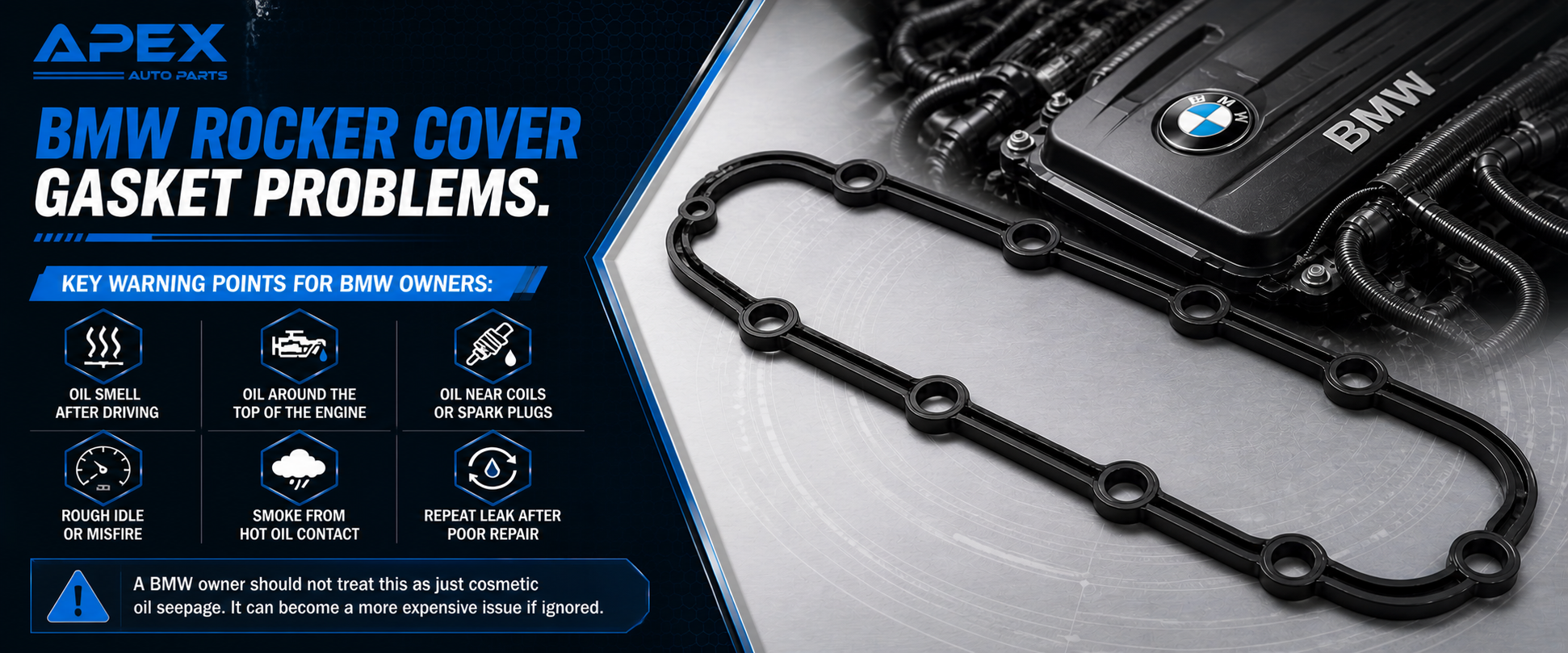
The BMW rocker cover gasket issue is important because many BMW engines are known for oil leaks from the top of the engine. BMW engines often run hot, and that extra heat places more stress on the gasket material over time.
In many BMW models, the engine bay is also tight. This means leaking oil may reach nearby parts more quickly, including hot surfaces and ignition components. That makes the leak more than just a small maintenance issue.
Another reason the BMW rocker cover gasket matters is that drivers may notice multiple symptoms at once. They may smell burnt oil, see oil around the cover, and also feel rough engine performance.
Because BMW engines can be more sensitive to heat and oil leaks, delaying repair is often a bad idea. A small leak may spread and affect more parts than expected.
For BMW owners, these are the main warning points:
- Oil smell after driving
- Oil around the top of the engine
- Oil near coils or spark plugs
- Rough idle or misfire
- Smoke from hot oil contact
- Repeat leak after poor repair
A BMW owner should not treat this as just cosmetic oil seepage. It can become a more expensive issue if ignored.
Inspection and Repair Basics
If you suspect a rocker cover gasket problem, start with a basic inspection. Look around the top of the engine for fresh oil. Check if the cover edges look wet or dirty. Pay attention to any burnt oil smell after the car has been driven.
It is also smart to monitor the oil level. If the level drops faster than normal, the leak may be active even if you do not see oil on the ground.
During repair, the main steps are simple but important. The old gasket must be removed, the sealing surface cleaned, the new gasket fitted correctly, and the bolts tightened to the correct level.
A good repair should also check the rocker cover itself. If the cover is damaged or warped, replacing only the gasket may not solve the problem for long.
Quick Overview Table
Final Thoughts
The rocker cover gasket may be small, but its failure can affect much more than just one seal. It can lead to oil leaks, foul odors, dirty engine parts, ignition issues, and rising repair costs. That is why drivers should understand what a rocker cover gasket is, recognize the main symptoms of a rocker cover gasket leak, and take the BMW rocker cover gasket issue seriously when it appears.
The smartest approach is simple. Watch for early signs, inspect the leak properly, and repair it before it spreads. A well-done repair can save both money and engine trouble later.
FAQs About Rocker Cover Gasket
1. What is a rocker cover gasket, and what does it do?
A rocker cover gasket is a seal placed between the rocker cover and the engine head. Its job is to keep engine oil from escaping and stop dust or dirt from getting inside. If it wears out, oil can leak onto engine parts, causing bigger problems over time.
2. What are the most common rocker cover gasket leak symptoms?
The most common rocker cover gasket leak symptoms include oil around the top of the engine, a burnt oil smell, smoke from the engine bay, rough idling, and low engine oil. In some cases, you may also notice oil collecting near spark plugs or ignition coils.
3. Can I drive with a leaking rocker cover gasket?
Yes, the car may still run with a leaking rocker cover gasket, but it is not advisable to keep driving for too long. The leak can worsen, the oil level can drop, and nearby parts may be damaged. Early repair is always safer and cheaper.
4. How much does a rocker cover gasket replacement usually cost?
The cost of replacing a rocker cover gasket depends on the vehicle type, labor charges, and whether any other parts are affected. Standard cars usually cost less, while premium brands may cost more. If the leak has already reached spark plugs or coils, the final bill can rise.
5. How long does a rocker cover gasket last?
A rocker cover gasket can last many years, but its life depends on engine heat, driving conditions, and maintenance. In many cars, it starts wearing out as the vehicle gets older. Heat cycles slowly dry the gasket material, increasing the likelihood of leaks over time.
6. What causes a rocker cover gasket to fail early?
A rocker cover gasket can fail early due to excessive engine heat, age, poor fit, poor-quality parts, or a cover that is no longer straight. Dirty oil and skipped maintenance can also speed up wear. Some leaks return because the first repair was not done properly.
7. Does a rocker cover gasket leak affect engine performance?
Yes, a leaking rocker cover gasket can affect performance if oil reaches important ignition parts. When oil gets into the spark plug area, the engine may run rough, lose smooth power, or misfire. Even if performance feels normal at first, the problem can worsen if left unchecked.
8. Why is the BMW rocker cover gasket problem so common?
The BMW rocker cover gasket issue is common because many BMW engines run hot, which puts extra stress on sealing parts. Over time, the gasket becomes weak and starts leaking. Tight engine space can also cause the leak to spread more quickly onto nearby components and hot surfaces.
9. How do I know if my BMW rocker cover gasket needs replacement?
If your BMW rocker cover gasket needs replacement, you may smell burning oil, notice fresh oil around the top of the engine, or see smoke after driving. Some drivers also feel rough idling or misfiring. These signs usually mean the seal is no longer holding oil properly.
10. Is rocker cover gasket replacement a simple repair?
Replacing a rocker cover gasket sounds simple, but the job still needs care. The old gasket must be fully removed, the surface cleaned thoroughly, and the new one fitted and tightened correctly. If rushed, the leak may come back even with a new gasket.