
 info@apexautoparts.co.uk
 +44 203 915 7535
 Safe & Fast Shipping
 Whish List
 Compare
 Sign In

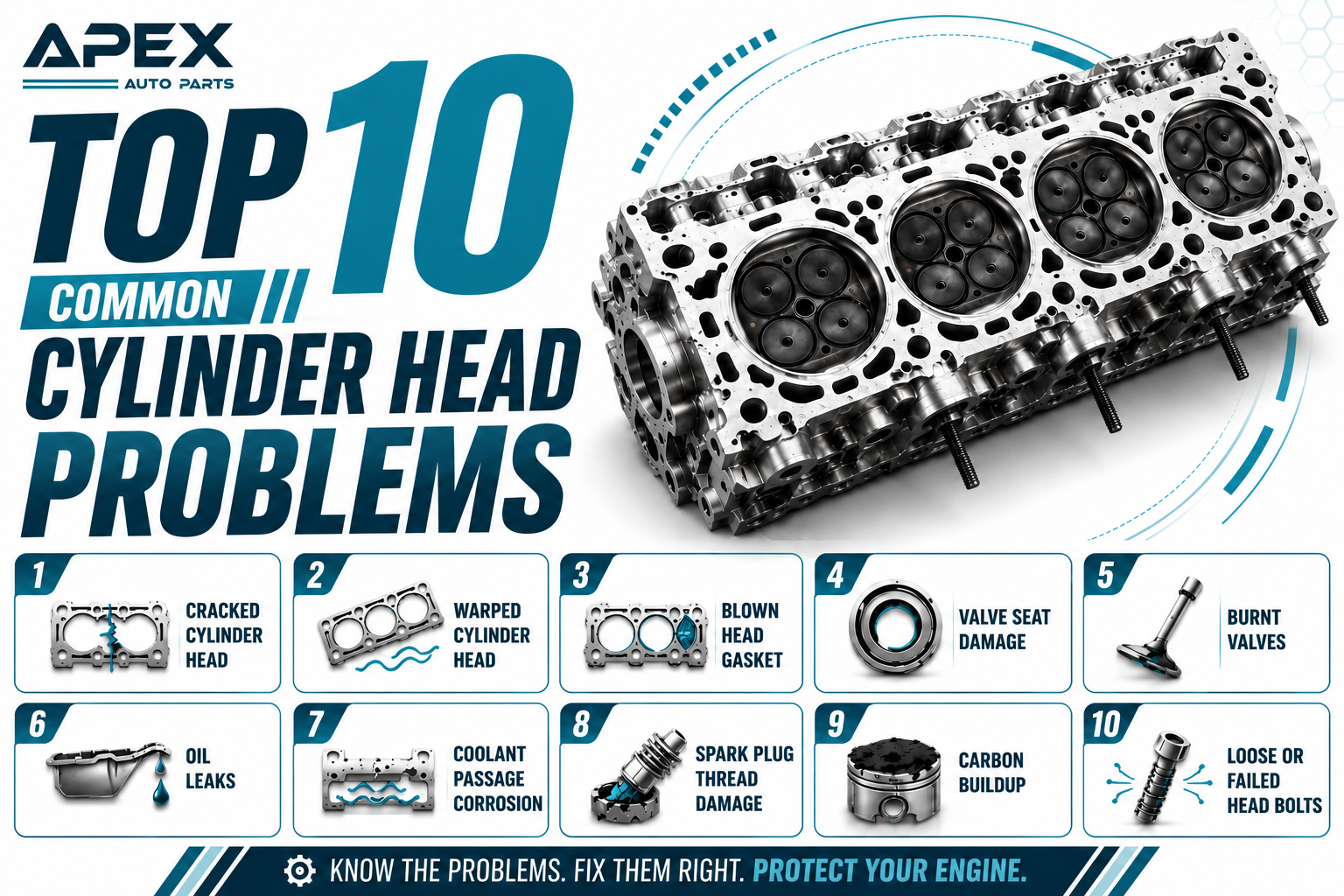
If your engine starts to overheat, lose power, burn oil, or leak coolant, there is a good chance the Cylinder Head is involved. This part sits at the top of the engine and helps seal the combustion chamber. It also controls airflow, fuel burn, and heat movement. When it goes bad, your whole engine can suffer.
Many drivers do not notice small Cylinder Head issues at first. The car may still run, but it may feel weak, rough, or hot. If the problem keeps growing, repair costs can rise fast. In some cases, the engine can fail.
At Apex Auto Parts, we know many drivers start searching for answers only after the signs become hard to ignore. That is why this guide explains the top 10 common Cylinder Head problems in clear and simple words. You will also learn what causes them, what signs to watch for, and how to fix them before things get worse. We will also cover related terms like cylinder head temperature, gasket head cylinder, and cylinder head cover so the topic is easy to understand from every angle.
Why the Cylinder Head Matters So Much
The Cylinder Head does more than most people think. It closes the top of the cylinders and works with the head gasket to keep pressure inside the engine. It also holds parts like valves, springs, and spark plugs in many engines. In liquid cooled engines, it helps move heat away through coolant passages.
If the Cylinder Head does not seal well, the engine cannot build strong compression. If it gets too hot, it can crack or bend. If oil or coolant flows the wrong way, the engine can wear out very fast.
That is why cylinder head temperature is such an important issue. Too much heat can damage the metal, weaken the gasket, and create leaks that spread to other engine parts.
Common Signs Your Cylinder Head May Have a Problem
Before we get into the top 10 problems, here are some warning signs you should not ignore:
- Engine overheating often
- White smoke from the exhaust
- Low coolant with no clear outside leak
- Oil mixed with coolant
- Poor engine power
- Rough idle
- Hard starting
- Oil leaks near the top of the engine
- Bubbling in the radiator
- Engine misfire
If you notice two or more of these signs together, your gasket head cylinder area may need attention.
1. Cracked Cylinder Head
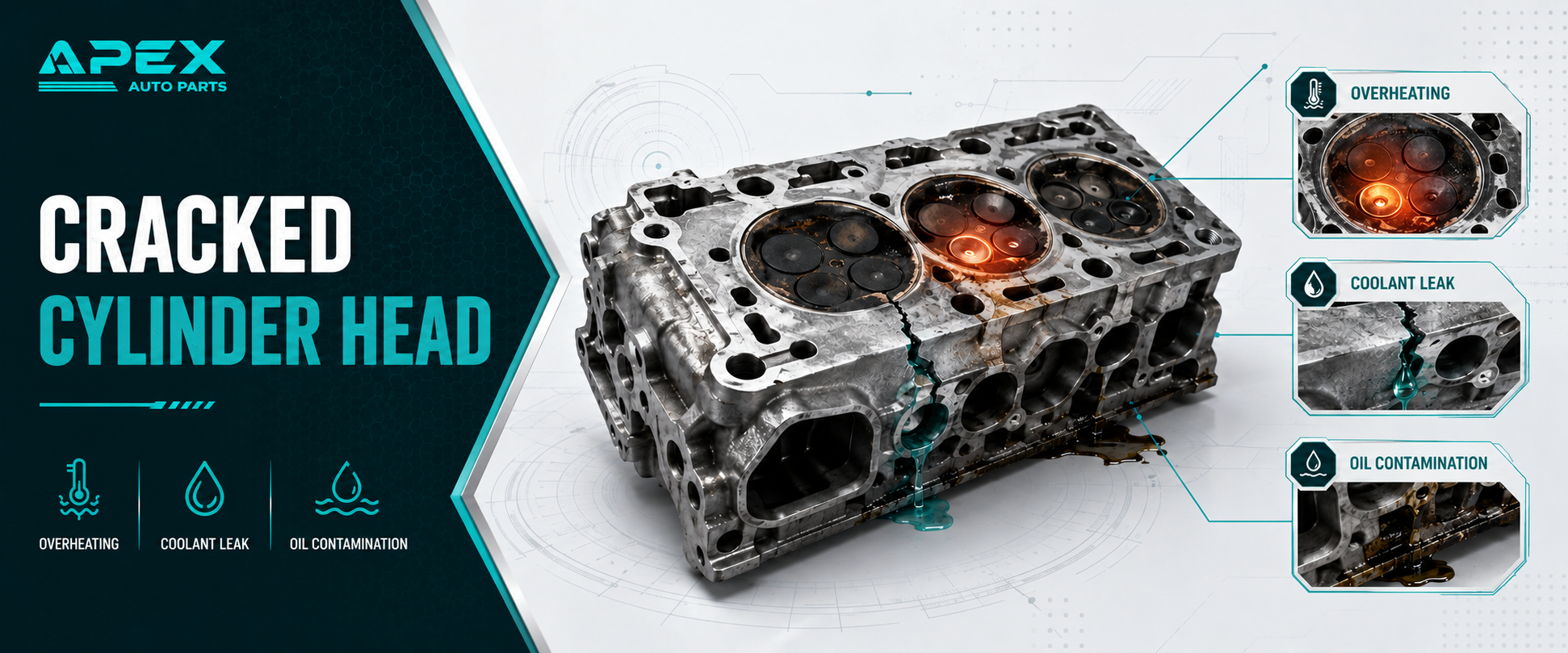
A cracked Cylinder Head is one of the most serious engine problems. It usually happens after overheating. When the engine gets too hot, the metal expands too much. If the heat stays high, the head can crack.
A crack may be small at first. But even a tiny crack can let coolant leak into the combustion chamber or let oil escape into places where it should not go.
Common causes
- Severe overheating
- Low coolant
- Poor cooling system care
- Sudden heat stress
- Old engine wear
Signs of a cracked Cylinder Head
- White exhaust smoke
- Coolant loss
- Engine misfire
- Oil that looks milky
- Poor performance
Solution
A mechanic usually checks the head with pressure testing or crack inspection tools. Small cracks may sometimes be repaired, but many cracked heads need replacement. If the crack is large, replacing the Cylinder Head is often the safest choice. If you need a replacement part that matches your vehicle correctly, Apex Auto Parts can help you find the right fit without guesswork.
2. Warped Cylinder Head
A warped Cylinder Head means the surface is no longer flat. This happens when heat changes the shape of the metal. A flat sealing surface is very important because the head gasket must sit tightly between the engine block and the head.
When the Cylinder Head warps, the gasket cannot seal the engine well. That leads to leaks, power loss, and more overheating.
What causes warping
- High cylinder head temperature
- Cooling fan failure
- Thermostat problems
- Driving too long with an overheated engine
Signs of warping
- Repeated head gasket failure
- Coolant leaks
- Loss of compression
- Engine runs rough
- Overheating returns after repair
Solution
The head must be removed and checked for flatness. If the damage is mild, a machine shop can resurface it. If the warp is too deep, the Cylinder Head may need to be replaced.
3. Blown Head Gasket
The head gasket seals the space between the engine block and the Cylinder Head. Some people search for this problem using the term gasket head cylinder. No matter what term is used, the issue is serious.
A blown gasket lets coolant, oil, and combustion gases move where they should not. This can hurt the engine very fast.
Common causes
- Overheating
- Warped head
- Poor gasket installation
- Weak bolts
- High engine pressure
Signs of head gasket trouble
- White smoke
- Milky oil
- Bubbles in coolant
- Low power
- Coolant loss
- Sweet smell from exhaust
Solution
Replace the gasket, inspect the Cylinder Head, and check the engine block surface. Never replace only the gasket without checking why it failed. If the cylinder head temperature stays too high, the head may also be warped or cracked. Using quality sealing parts matters here, because a weak replacement can fail again in a short time.
4. Valve Seat Damage
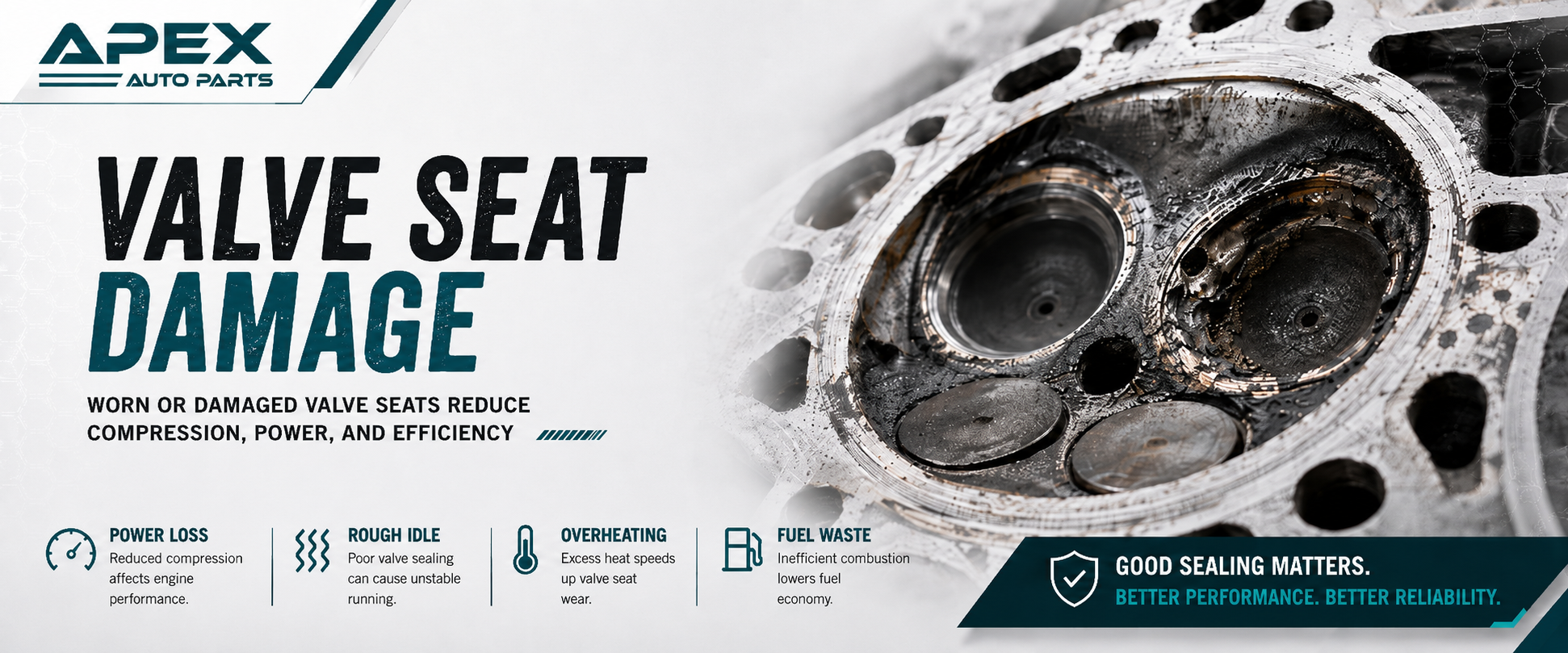
Valve seats help the valves close tightly. When they wear out or get damaged, compression drops and the engine loses power. This problem may also lead to rough idling and poor fuel use.
Valve seat trouble can happen slowly over time or faster if the engine runs too hot.
Causes
- High heat
- Dirty fuel or carbon buildup
- Poor valve adjustment
- Long term wear
Signs
- Engine misfire
- Weak acceleration
- Low compression
- Rough idle
- Popping sounds
Solution
A machine shop may need to cut or replace the valve seats. In some cases, the whole Cylinder Head must be rebuilt. This repair should be done carefully because valve sealing affects engine timing and compression.
5. Burnt Valves
Burnt valves happen when valves cannot cool down the right way. They stay too hot and begin to burn at the edges. This creates poor sealing and causes compression loss.
This is another problem linked closely to cylinder head temperature. When heat stays trapped in the head, valves suffer.
Causes
- Overheating
- Lean fuel mixture
- Poor valve seating
- Carbon buildup
- Long term neglect
Signs
- Engine shakes at idle
- Loss of power
- Hard starting
- Misfire
- Low compression in one cylinder
Solution
The head must come off so the damaged valves can be replaced. The valve seats should also be checked. If you only replace the valve and ignore the seat, the problem can come back. Many drivers also replace worn related parts at the same time to avoid opening the engine again later.
6. Oil Leaks
The cylinder head cover sits on top of the engine and helps keep oil inside. It is often called a valve cover. When the gasket around the cylinder head cover gets old or hard, oil starts to leak.
This may seem like a small problem, but it should not be ignored. Oil can drip onto hot parts, make a mess, and lower oil levels.
Causes
- Old gasket
- Loose bolts
- Cracked cylinder head cover
- Too much engine pressure
- Poor installation
Signs
- Oil around the top of the engine
- Burning oil smell
- Smoke from engine bay
- Dirty engine surface
- Falling oil level
Solution
Replace the cylinder head cover gasket and inspect the cover for cracks. Tighten bolts to the correct spec, not too loose and not too tight. If the cover itself is bent or broken, replace it. This is one of the common parts drivers look for at Apex Auto Parts because even a small oil leak can turn into a bigger repair if left alone.
7. Coolant Passage Corrosion
Inside the Cylinder Head, coolant flows through narrow passages to carry heat away. Over time, rust, scale, or dirty coolant can damage these passages. This slows heat transfer and raises cylinder head temperature.
If coolant cannot flow well, the engine may overheat again and again.
Causes
- Old coolant
- Wrong coolant type
- Rust in cooling system
- Poor maintenance
- Water used instead of proper coolant for long periods
Signs
- Hot running engine
- Repeated overheating
- Poor heater performance
- Coolant discoloration
- Internal corrosion found during repair
Solution
Flush the cooling system and inspect the head passages. Bad corrosion may need professional cleaning or head replacement. Always use the right coolant mix and change it on time.
8. Spark Plug Thread Damage
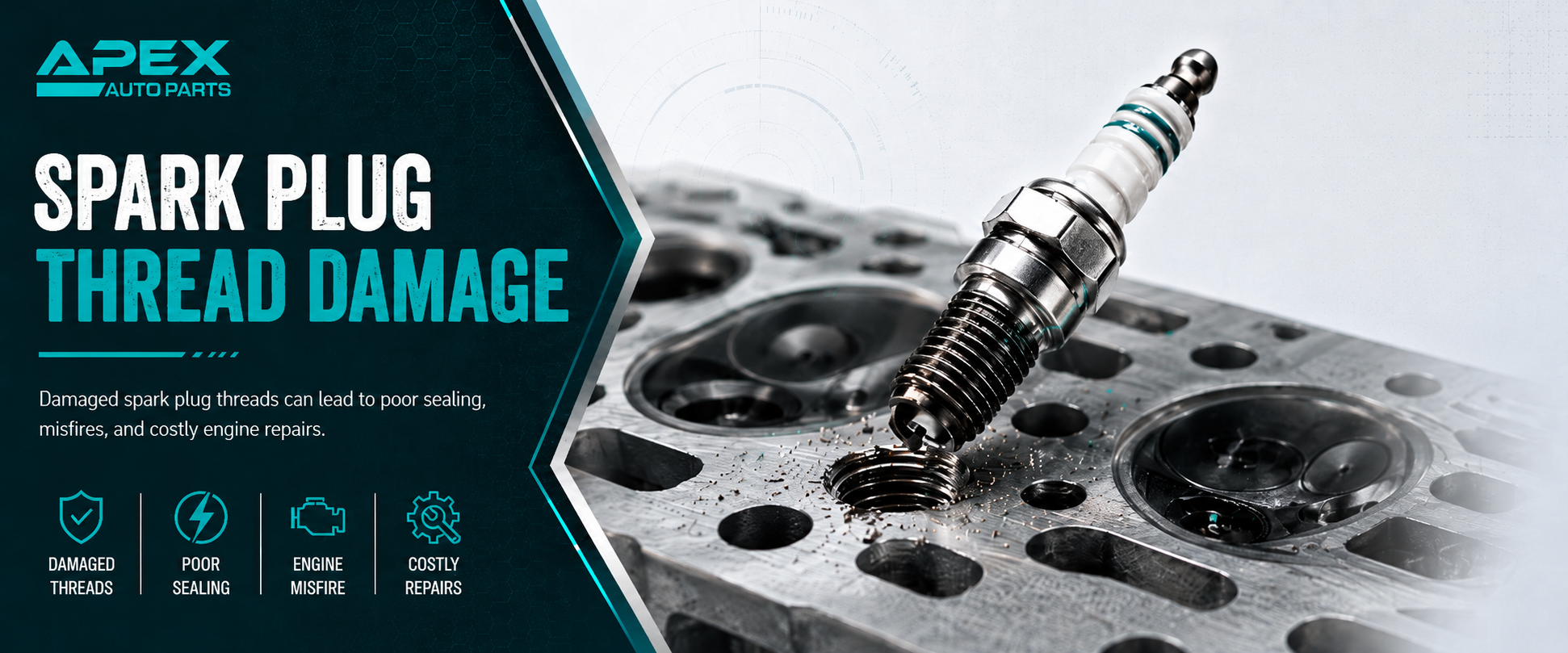
In many engines, spark plugs screw directly into the Cylinder Head. If the plug is over tightened, cross threaded, or removed carelessly, the threads inside the head can get damaged.
This can stop the spark plug from sealing right, and that can hurt engine performance.
Causes
- Over tightening
- Wrong installation
- Using poor tools
- Old aluminum threads
Signs
- Loose spark plug
- Hissing sound
- Misfire
- Loss of power
- Trouble during plug removal
Solution
A thread repair insert may fix the damage. In severe cases, the Cylinder Head must be removed for proper repair. Always install spark plugs carefully and follow torque specs.
9. Carbon Buildup
Carbon can build up around valves, ports, and combustion chambers. This buildup reduces airflow and can trap heat. It may also raise the chance of knocking and poor combustion.
Over time, carbon makes the Cylinder Head less efficient.
Causes
- Poor fuel quality
- Oil burning
- Short trips
- Weak engine tune
- Dirty intake system
Signs
- Rough idle
- Weak throttle response
- Engine knock
- Poor fuel use
- Hard starts
Solution
Clean the combustion area and related intake parts if needed. Some engines benefit from intake cleaning or valve cleaning services. Regular tune ups, quality fuel, and fixing oil burning problems can help prevent future buildup.
10. Loose or Failed Head Bolts
Head bolts hold the Cylinder Head tightly against the engine block. If they stretch, loosen, or fail, the seal breaks down. This can cause gasket failure, compression leaks, and coolant loss.
Causes
- Wrong torque during installation
- Reusing bolts that should be replaced
- Heat cycles over time
- Poor repair work
Signs
- Head gasket failure returns
- Coolant leaks
- Engine pressure loss
- Oil contamination
- Overheating
Solution
Replace faulty bolts and follow the correct tightening pattern and torque steps. This is very important during any gasket head cylinder repair. A bad bolt job can ruin a new gasket in a short time.
How Cylinder Head Temperature Affects Everything
Out of all the warning factors, cylinder head temperature is one of the biggest. Too much heat can lead to cracks, warping, gasket failure, burnt valves, and cooling issues. Heat is not just one problem on its own. It is the cause behind many other problems.
That is why you should never ignore engine overheating. Even one bad overheat can damage the Cylinder Head.
Things that increase cylinder head temperature
- Low coolant
- Broken radiator fan
- Stuck thermostat
- Clogged radiator
- Low oil
- Heavy driving with poor cooling
How to keep heat under control
- Check coolant often
- Fix leaks early
- Change old coolant
- Watch the temperature gauge
- Stop driving if the engine gets too hot
- Service the cooling system on time
Best Ways to Prevent Cylinder Head Problems
Prevention costs less than repair. If you want your Cylinder Head to last longer, simple habits can help a lot.
Follow these habits
- Change coolant on time
- Use the correct coolant and oil
- Watch for overheating
- Repair oil and coolant leaks quickly
- Do not ignore misfires
- Replace damaged hoses and thermostats
- Keep the radiator clean
- Use proper torque when working on engine parts
- Inspect the cylinder head cover gasket during service
Drivers who stay ahead of maintenance usually avoid the most expensive top end repairs. At Apex Auto Parts, we often tell customers that the right replacement part matters, but catching the issue early matters just as much.
When You Should See a Mechanic Right Away
Some engine problems can wait a day or two. Cylinder Head problems usually should not. Get the engine checked fast if you notice:
- White smoke that does not stop
- Coolant disappearing
- Milky oil
- Fast overheating
- Engine shaking hard
- No power under load
- Bubbles in the coolant tank
Quick action can save the head, the gasket, and maybe the whole engine.
Final Thoughts
The Cylinder Head is one of the most important parts of any engine. When it fails, many other parts suffer too. Small signs like oil leaks, rising cylinder head temperature, or rough idling may look minor at first, but they often point to bigger trouble.
Problems like cracks, warping, valve damage, and gasket head cylinder leaks can become very expensive if ignored. Even the cylinder head cover can cause issues if it starts leaking oil and gets overlooked.
If you catch these signs early and fix the cause, you can protect your engine, save money, and keep your vehicle running strong for much longer. And when repair time comes, Apex Auto Parts can help you find dependable engine parts that support the job the right way without making the process harder than it needs to be.
FAQs
1. What does a Cylinder Head do in an engine?
A Cylinder Head sits on top of the engine block and seals the combustion area. It helps control airflow, fuel burn, and heat movement. It also holds key parts like valves and spark plugs in many engines. If it fails, the engine can lose power, leak fluids, or overheat.
2. What causes high cylinder head temperature?
High cylinder head temperature usually happens because of low coolant, a bad radiator fan, a stuck thermostat, clogged cooling parts, or low oil. When heat cannot leave the engine properly, the head gets too hot. This can lead to cracks, warping, and gasket failure if ignored.
3. How do I know if my Cylinder Head is cracked?
A cracked Cylinder Head often causes white smoke, coolant loss, rough running, engine overheating, and milky oil. Some cracks are hard to see from outside. A mechanic may need pressure testing or special inspection tools to confirm the damage and decide if repair or replacement is needed.
4. What is the meaning of gasket head cylinder?
Many people use the gasket head cylinder when talking about the head gasket area between the engine block and the Cylinder Head. This gasket seals oil, coolant, and engine pressure. If it fails, the engine may overheat, lose compression, or mix oil and coolant, which is a serious problem.
5. Can a bad cylinder head cover cause engine problems?
Yes, a bad cylinder head cover can cause oil leaks, burning oil smells, smoke from the engine bay, and low oil levels. While it may not damage compression like a head gasket, it can still create a mess and lead to bigger issues if oil leaks onto hot or sensitive engine parts.
6. Is it safe to drive with a damaged Cylinder Head?
It is not safe for long. A damaged Cylinder Head can cause overheating, coolant loss, poor power, and engine failure. Even if the car still runs, driving it may make the damage much worse. It is better to stop early and get the engine checked before repair costs rise.
7. Can overheating ruin a Cylinder Head?
Yes, overheating is one of the main reasons a Cylinder Head gets damaged. Too much heat can warp the head, crack it, or weaken the head gasket seal. That is why any rise in cylinder head temperature should be taken seriously and fixed as soon as possible.
8. What are the first signs of head gasket trouble?
The first signs often include white smoke, coolant loss, engine overheating, bubbling in the radiator, weak performance, and oil that looks milky. Since the gasket head cylinder area holds pressure and fluid flow, any failure there can spread quickly and affect the full engine system.
9. How much does it cost to fix a Cylinder Head problem?
The cost depends on the damage. A cylinder head cover gasket fix is usually much cheaper than repairing a cracked or warped Cylinder Head. Minor repairs may be affordable, but major damage can cost a lot because the engine must be opened, tested, and rebuilt with care.
10. How can I prevent Cylinder Head problems?
To prevent Cylinder Head problems, keep coolant full, change fluids on time, fix leaks early, and never ignore overheating. Watch cylinder head temperature closely and service the cooling system often. Also inspect the cylinder head cover gasket and act fast if you see oil leaks near the top of the engine.