
 info@apexautoparts.co.uk
 +44 203 915 7535
 Safe & Fast Shipping
 Whish List
 Compare
 Sign In

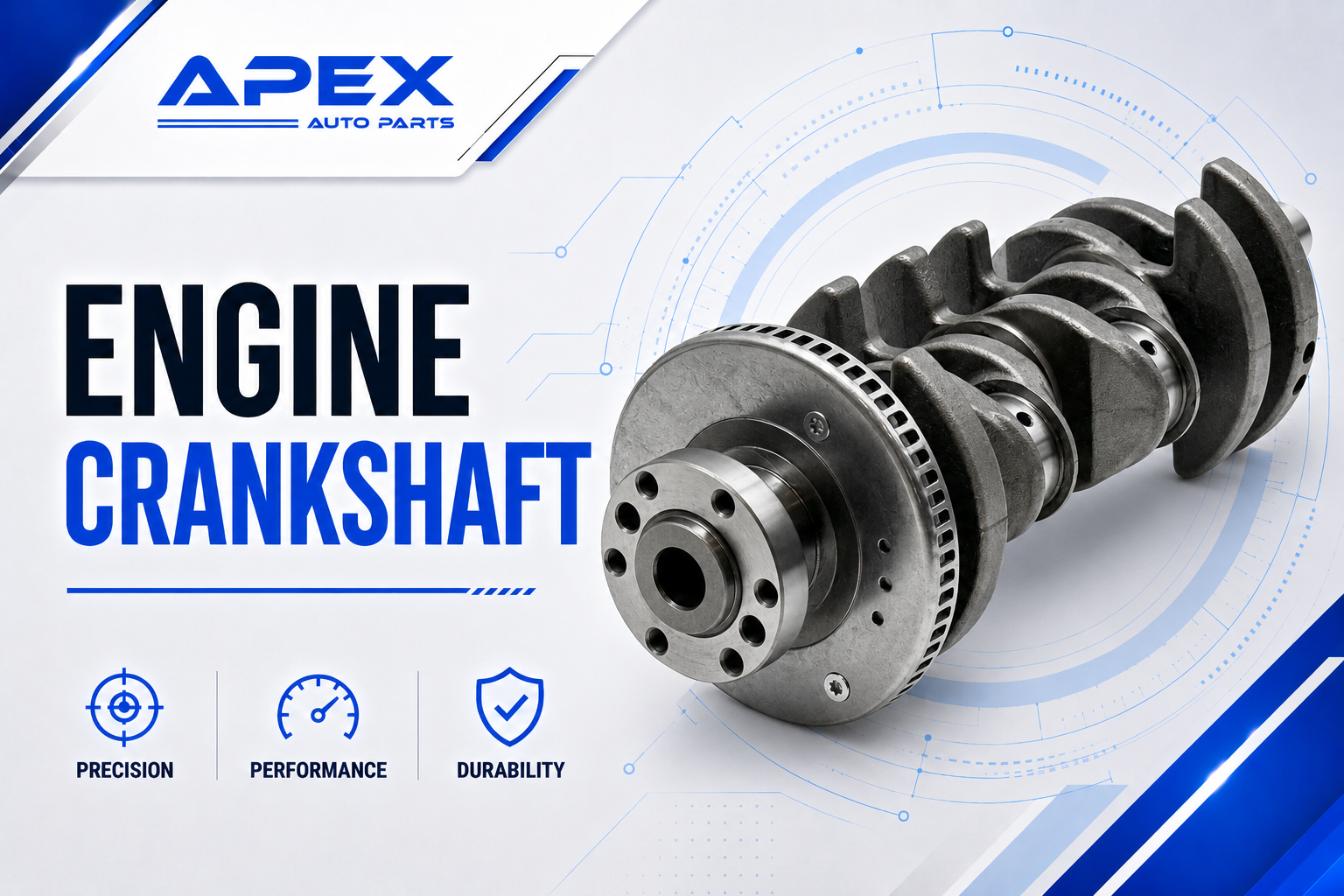
A car engine has many parts working together, but only a few parts carry as much load as the crankshaft. It sits deep inside the engine and converts the up-and-down motion of the pistons into turning power. That turning power is what helps move the car.
Many drivers do not think about the crankshaft until something goes wrong. The engine may start making a knocking sound. The car may lose power. The engine may not start. A warning light may appear on the dashboard. In some cases, the fault may be linked to the crankshaft sensor, not the metal shaft itself.
This is why it is important to understand how the system works. If you know the signs early, you can avoid bigger repair bills. A small sensor issue can be fixed before it leaves you stuck. A small oil problem can be handled before it causes crankshaft failure.
At Apex Auto Parts, customers often look for engine parts after a mechanic finds a fault. Some need a sensor. Some need bearings. Some need seals, oil pumps, pistons, timing parts, or a full engine repair kit. The most important thing is not just buying a part. The main goal is to find the correct part for the engine and to fix the real cause of the problem.
This guide explains what a crankshaft does, how it works, what can cause damage, common symptoms of crankshaft sensor issues, and how drivers can protect the engine longer.
What Is a Crankshaft?
A crankshaft is a strong metal shaft inside the engine. It is fitted at the lower part of the engine block. The pistons connect to it through connecting rods. When fuel burns inside the cylinders, the pistons move up and down. The connecting rods transmit this motion to the crankshaft.
The crankshaft then turns in a circle. This turning motion is passed through the flywheel, clutch, or torque converter, gearbox, and finally to the wheels. In simple terms, the engine makes power, and the crankshaft turns that power into motion.
The part is built to handle heavy stress. It has to deal with heat, pressure, oil flow, vibration, and high-speed rotation. Even when the engine is idling, the crankshaft is moving. When you press the accelerator, it spins much faster.
A healthy crankshaft must stay straight, balanced, smooth, and well lubricated. If it gets worn, cracked, bent, or starved of oil, the engine can suffer serious damage.
What Does a Crankshaft Do?
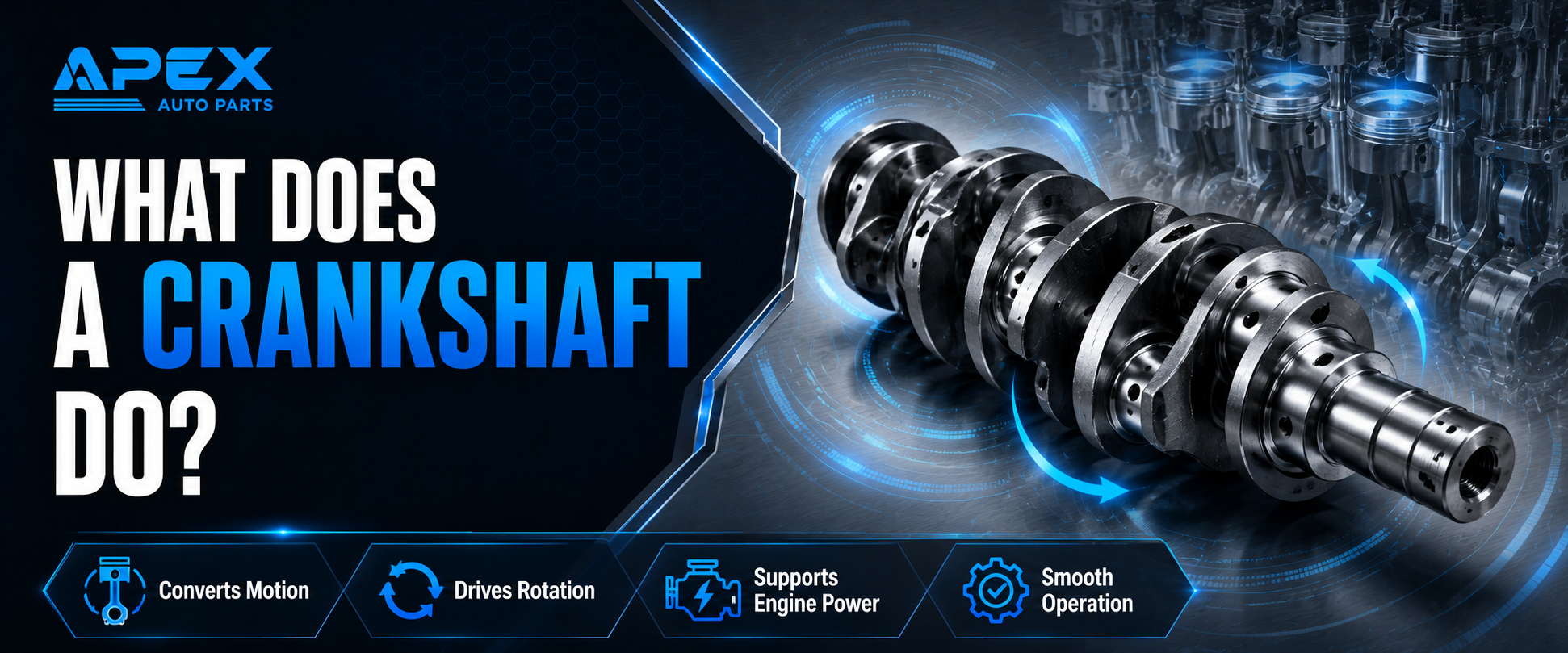 Many drivers ask what a crankshaft does because the part is hidden inside the engine. The easiest answer is this. It turns piston movement into engine rotation.
Inside the engine, pistons move up and down. This movement alone cannot turn the wheels. The crankshaft converts that straight motion into a spinning motion. That spinning movement is what allows the car to drive.
The crankshaft also helps keep the engine moving smoothly. It is connected to parts such as the flywheel, timing system, crank pulley, oil seals, bearings, and sometimes other engine-driven parts. It must work in perfect timing with the pistons, camshaft, valves, and fuel system.
If the crankshaft does not move correctly, the whole engine is affected. Power becomes weak. The engine may shake. Bearings may wear. Timing may become poor. In serious cases, the engine may stop working completely.
So, when someone asks what a crankshaft does, the answer is simple but important. It is the main rotating part that helps turn engine power into usable drive.
How the Crankshaft Works Inside the Engine
The crankshaft works with the pistons and connecting rods. Each piston is joined to the crankshaft through a connecting rod. When the piston is pushed down by combustion, the rod pushes on a part of the crankshaft called a crank journal.
Because the journal is offset from the centerline, the piston's push causes the shaft to rotate. This happens many times every second while the engine is running.
The crankshaft is held in place by main bearings. These bearings allow it to spin smoothly. They also stop metal parts from rubbing directly against each other. Engine oil forms a thin layer between the bearing and the shaft. This oil layer is very important.
Without proper oil pressure, the crankshaft and bearings can wear fast. Metal can touch metal. Heat can build up. Knocking sounds can begin. If ignored, this can lead to major engine damage.
The crankshaft also has oil passages inside it. These passages help move oil to the bearing surfaces. If oil is dirty, too low, or blocked by sludge, the shaft may not get the protection it needs.
Why the Crankshaft Is So Important
The crankshaft is one of the strongest parts of the engine and one of the most important. If it fails, the engine cannot work properly. Unlike a small external part, it is not easy to reach. Repair work can take time and money because the engine often needs to be opened.
A working crankshaft helps with:
- Smooth engine rotation
- Good power delivery
- Correct piston movement
- Proper engine balance
- Reliable starting
- Stable idle
- Strong acceleration
- Long engine life
If the crankshaft or its bearings are damaged, the car may still run for a short time, but the problem usually gets worse. A small knocking sound can turn into a full engine rebuild. That is why early diagnosis matters.
What Is a Crankshaft Sensor?
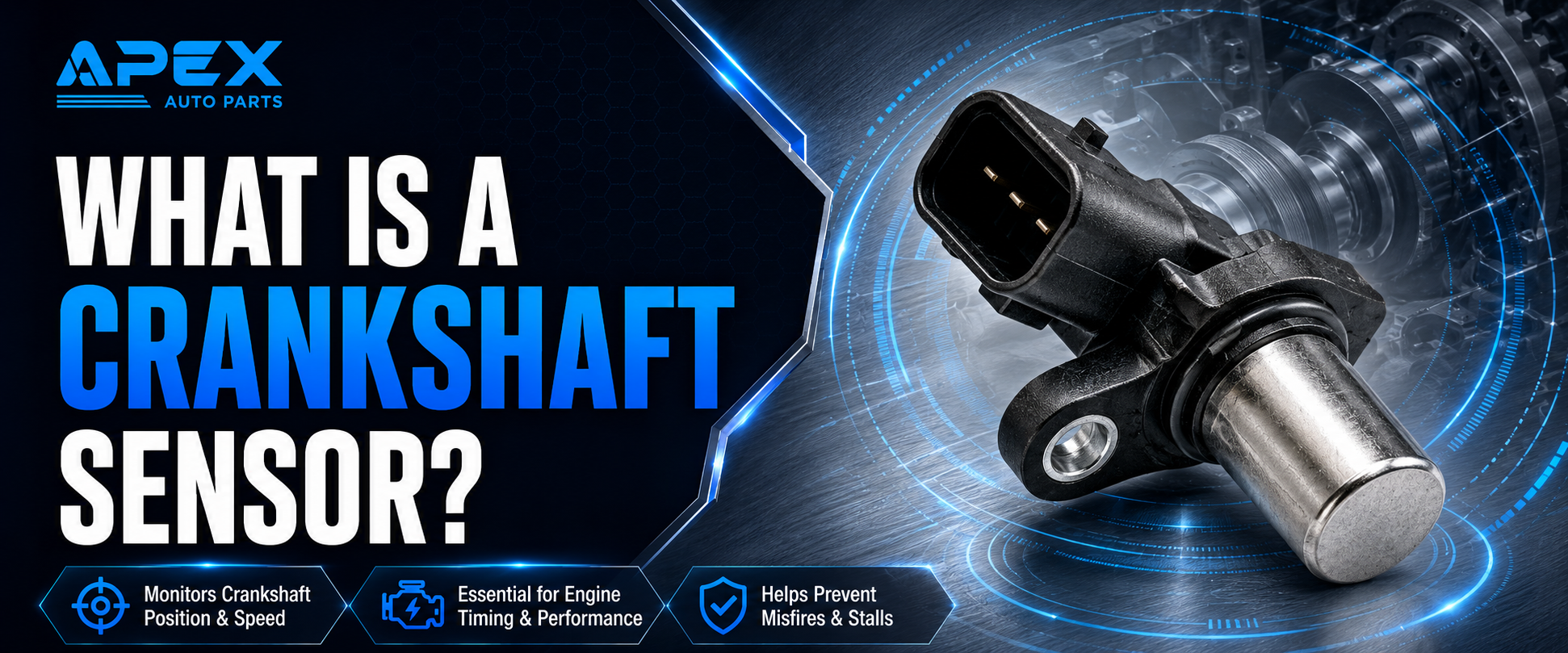 The crankshaft position sensor is an electronic component that measures the crankshaft's position and speed. It sends this information to the engine control unit. The engine computer uses this signal to control fuel injection, ignition timing, and engine starting.
The crankshaft sensor is small, but its job is very important. If the computer does not know where the crankshaft is, it may not know when to add fuel or fire the spark. On many cars, a faulty crankshaft sensor can cause a no-start problem.
This sensor is usually fitted near the crank pulley, flywheel, or engine block. It reads a signal from a toothed wheel or trigger pattern. If the sensor, wiring, connector, or signal ring is faulty, the engine can run poorly or fail to start.
Many drivers think a crankshaft position sensor fault means the crankshaft itself is damaged. That is not always true. The sensor is electrical. The shaft is mechanical. They are related, but they are not the same part.
Crankshaft Sensor Symptoms Drivers Should Know
Knowing the symptoms of a crankshaft sensor can save time and money. A faulty sensor may act up before it completely fails. Sometimes the fault comes and goes. The car may start fine one day and refuse to start the next.
Common crankshaft sensor symptoms include hard starting, engine stalling, rough idle, misfires, poor acceleration, and an engine warning light. In many cases, the engine may crank but not start.
Some cars cut out when hot and start again after cooling down. This can happen when the crankshaft position sensor weakens due to heat. The sensor may send a signal when cold, then fail when the engine gets hot.
Other crankshaft sensor symptoms may include poor fuel economy, uneven revs, sudden loss of power, or fault codes linked to crank position. A scan tool may show a crank position sensor code, but a good mechanic will still check the wiring, connector, and signal before replacing parts.
Do not ignore these signs. A failing crankshaft sensor can leave the car stuck without warning.
Crankshaft Sensor vs Camshaft Sensor
Many people confuse the crankshaft sensor with the camshaft sensor. Both sensors help the engine computer understand timing, but they read different parts.
The crankshaft position sensor measures the crankshaft's position and speed. The camshaft position sensor reads the camshaft position. The camshaft controls the valves, while the crankshaft controls piston movement and engine rotation.
The engine computer compares both signals. This helps it know where the pistons and valves are during engine operation. If a single signal is missing or incorrect, the engine may run poorly.
A bad crankshaft sensor can cause no start, stalling, rough running, and timing faults. A bad camshaft sensor can cause similar signs. This is why testing is important. Guessing can lead to replacing the wrong part.
Common Causes of Crankshaft Failure
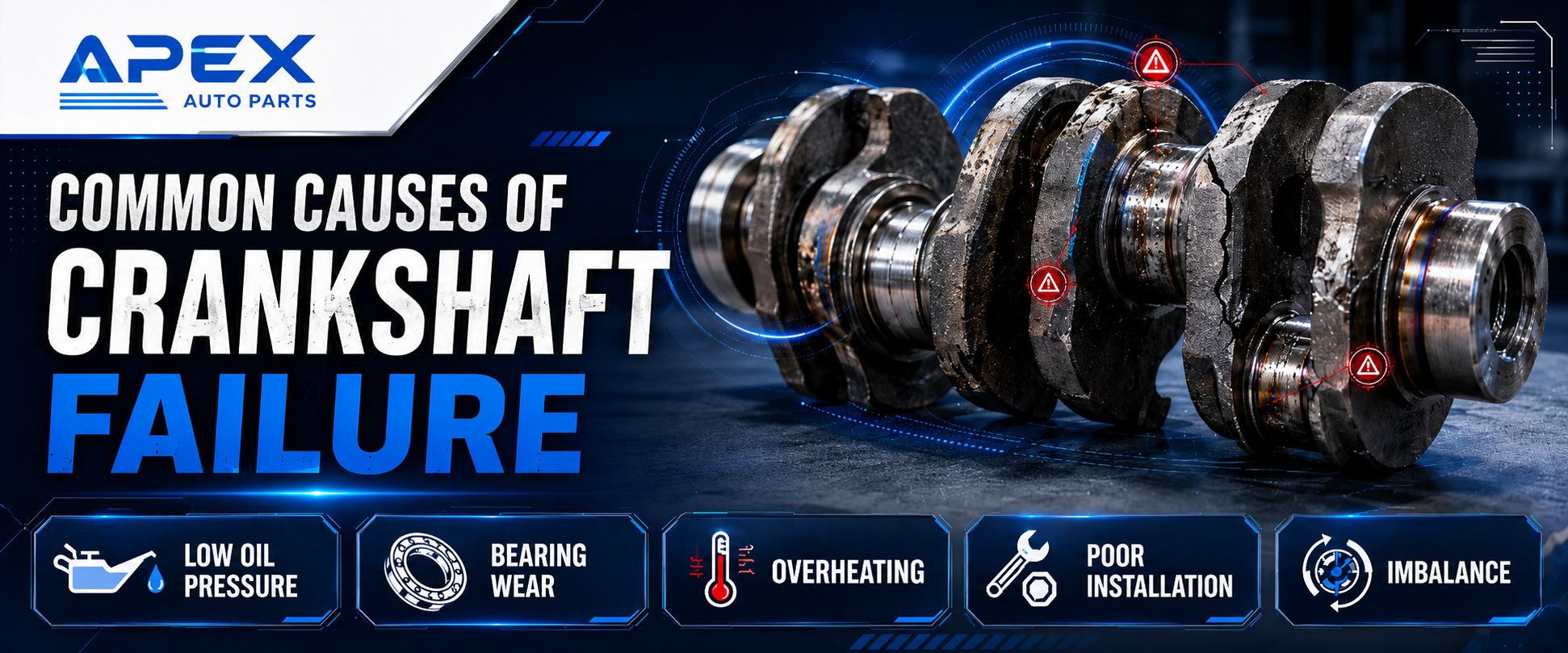 Crankshaft failure is serious. It does not usually happen without a reason. Most failures are linked to oil problems, bearing wear, overheating, poor repairs, wrong parts, or heavy engine stress.
The crankshaft needs clean oil and correct bearing clearance. If oil flow is poor, the shaft and bearings can wear quickly. If the bearings wear out too much, the shaft may start to knock. If the engine keeps running, the damage can spread.
Common causes of crankshaft failure include:
- Low engine oil
- Dirty oil
- Poor oil pressure
- Worn main bearings
- Worn big end bearings
- Engine overheating
- Incorrect bearing fitting
- Poor quality parts
- Engine over-revving
- Timing failure
- Hydro lock from water entering the engine
- Poor previous engine rebuild
- Blocked oil passages
- Wrong oil grade
Most of these problems start small. The driver may notice a noise, an oil warning light, a loss of power, or rough running. If these signs are ignored, damage can become much worse.
Signs of Crankshaft Failure
The signs of crankshaft failure can depend on the damage. A worn bearing may sound different from a cracked shaft. A sensor issue may feel different from a mechanical problem.
A common sign is a deep knocking sound from the lower part of the engine. This sound may become louder when revs rise. It may also be worse under load. This is often called bottom-end knock.
Other signs of crankshaft failure include low oil pressure, metal flakes in the oil, strong vibration, engine seizure, poor power, rough running, or a warning light. In severe cases, the engine may stop and not turn over.
If you hear a heavy knocking noise, do not keep driving. Running the engine can make the repair much more expensive. A mechanic should check oil pressure, bearing condition, and internal engine damage as soon as possible.
How Oil Problems Damage the Crankshaft
Oil is the main protection for the crankshaft. It keeps the shaft and bearings from touching directly. It also helps cool the parts and wash away tiny particles.
When oil is low, dirty, too thin, too thick, or old, it cannot protect the engine properly. The bearings may start to wear. Once bearing wear begins, the crankshaft can lose its smooth surface. This can lead to knocking, scoring, heat damage, and failure.
Dirty oil can carry metal particles through the engine. These particles can scratch bearing surfaces and oil journals. Sludge can block oil passages and reduce oil flow. If the crankshaft does not receive steady oil pressure, damage can occur quickly.
This is why oil changes matter so much. Clean oil is cheaper than an engine rebuild. For cars with high mileage, strong service care is even more important.
Crankshaft Bearings and Why They Matter
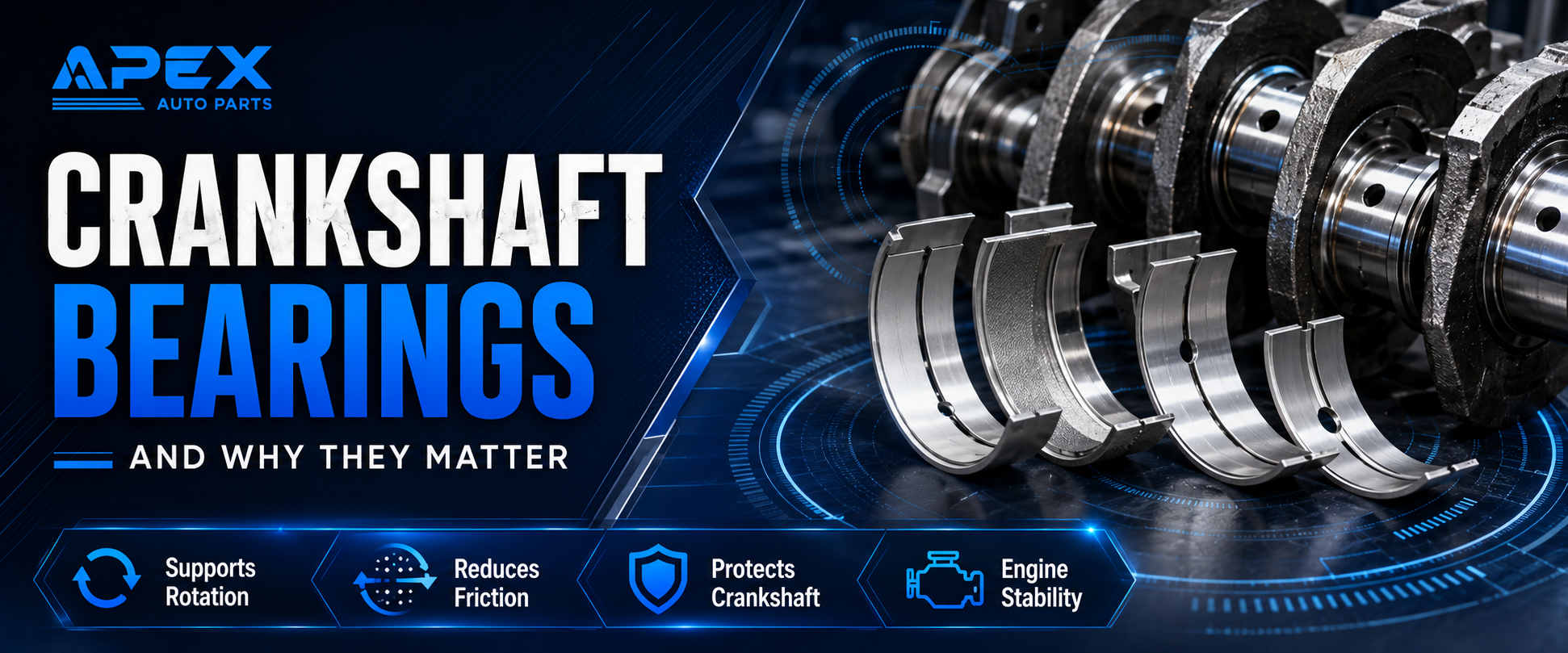 The crankshaft does not spin directly against the engine block. It spins on bearings. These bearings are thin metal shells designed to support the shaft and allow smooth movement.
There are two main bearing areas. Main bearings support the crankshaft inside the engine block. Big-end bearings support the connecting rods at their attachment to the shaft.
If these bearings wear out, the crankshaft can move excessively. This can cause knocking sounds and low oil pressure. The longer the engine runs with worn bearings, the greater the damage becomes.
Bearing failure can damage the shaft surface. If the damage is minor, the crankshaft may be repaired by a machine shop. If the damage is severe, it may need to be replaced.
When replacing bearings, correct size and fitting matter. Guessing the size is risky. The engine must be measured properly.
Can a Bad Crankshaft Sensor Stop a Car From Starting?
Yes, a faulty crankshaft position sensor can prevent a car from starting. The engine computer needs the sensor signal to determine the crankshaft position. Without that signal, the computer may not trigger fuel injection or ignition at the right time.
The engine may crank but not start. Sometimes it may start after a long crank. Sometimes it may start when cold but stall when hot. These are common crankshaft sensor symptoms.
Before replacing the sensor, the wiring and connector should be checked. A loose plug, damaged wire, oil contamination, or poor connection can cause the same type of fault.
Apex Auto Parts helps drivers find the correct engine parts, but the best repair always starts with proper diagnosis. A sensor should match the vehicle exactly, including plug shape, sensor type, and fitment.
How Mechanics Diagnose Crankshaft Problems
A good mechanic will not guess. They will look at the symptoms and test the engine step by step.
If the issue looks electrical, they may scan the car for fault codes and check the crankshaft sensor signal. They may inspect the wiring, connector, and sensor gap. They may also check live data while cranking the engine.
If the issue appears mechanical, they may listen for engine noise, check oil pressure, inspect the oil for metal shavings, and check for bearing wear. In serious cases, the engine may need to be opened for inspection.
A proper check may include:
- Scanning for fault codes
- Checking sensor signal
- Inspecting sensor wiring
- Checking oil level and oil condition
- Listening for bottom-end knock
- Testing oil pressure
- Checking the timing system condition
- Inspecting bearings
- Looking for metal in the oil
- Checking service history
This approach helps avoid replacing good parts and missing the real cause.
Crankshaft Repair vs Replacement
Not every damaged crankshaft needs replacement. Some can be repaired if the damage is not too bad. A machine shop may polish or grind the shaft and match it with the correct bearing size.
However, if the shaft is cracked, bent, badly scored, or worn beyond repair limits, replacement may be the safer choice.
The decision depends on the engine, the damage, and the cost. Sometimes replacing the engine is cheaper than repairing the shaft, especially if there is heavy internal damage. Other times, replacing bearings and repairing the crankshaft can save the engine.
A mechanic should always check related parts too. If a new or repaired crankshaft is fitted with dirty oil passages, a weak oil pump, worn rods, or wrong bearings, the repair may fail again.
How to Protect Your Crankshaft
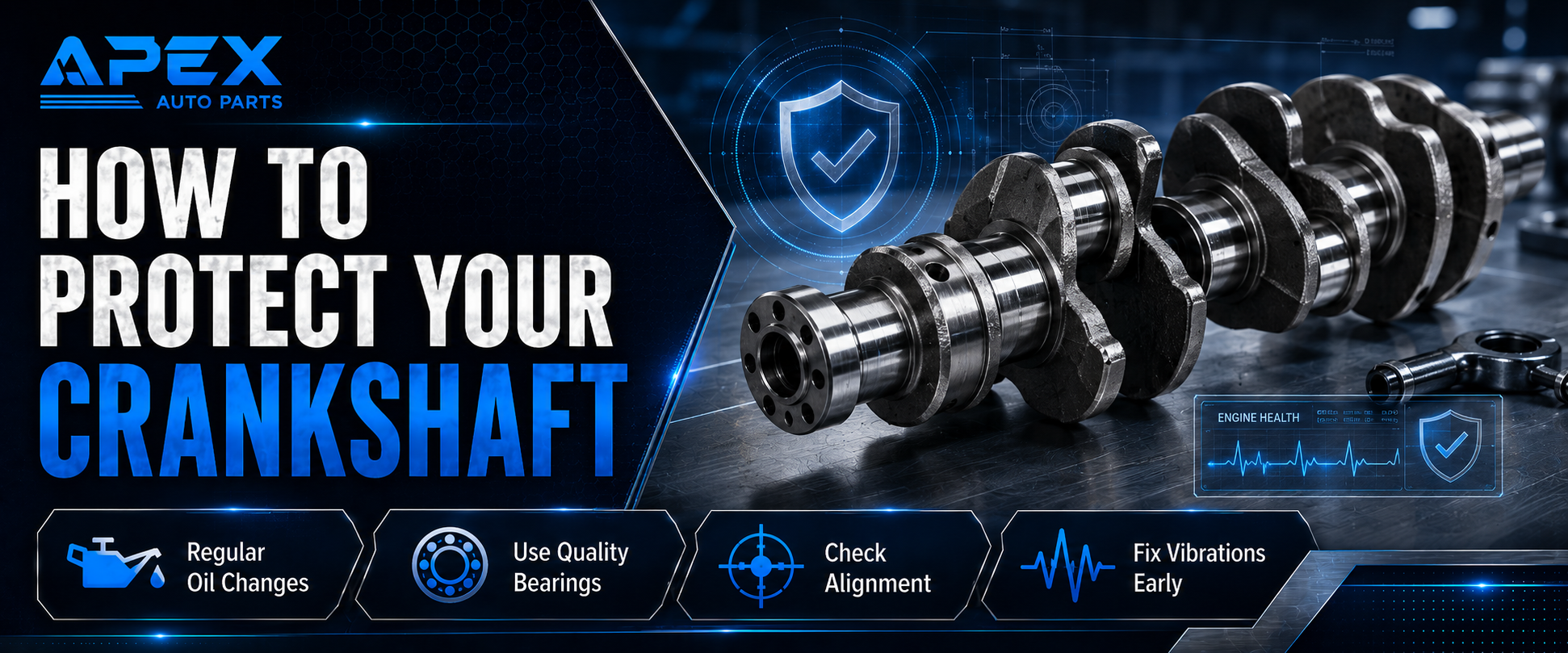
The best way to protect the crankshaft is to protect the engine oil system. Most major shaft damage starts with poor lubrication or bearing wear.
Change oil on time. Use the correct oil grade. Check the oil level often. Fix oil leaks early. Do not ignore oil pressure warning lights. Let the engine warm up before hard driving.
You should also listen for new engine sounds. A small tick may not be serious, but a deep knock from the lower engine should be checked quickly. If the engine overheats, stop driving and find the cause.
Good habits can make a big difference:
- Use the correct engine oil
- Change oil and filter on time
- Check oil level often
- Repair leaks early
- Do not drive with oil warning lights
- Avoid hard driving when the engine is cold
- Fix overheating issues quickly
- Use quality replacement parts
- Keep service records
- Do not ignore engine knocking
These steps are simple, but they can help prevent costly damage.
Choosing the Right Crankshaft Parts
Choosing the right part is very important. Engine parts must match the vehicle correctly. A crankshaft, crankshaft sensor, bearing set, seal, or pulley may look similar but still be wrong for the engine.
Before buying parts, check the vehicle make, model, year, engine size, fuel type, and engine code. If possible, check the original part number too.
This is especially important for brands like BMW, Audi, Mercedes-Benz, Ford, Volkswagen, Toyota, Vauxhall, and others because the same model can have different engine versions.
Apex Auto Parts supplies engine parts for UK drivers, garages, and trade buyers. Their support can help customers avoid a poor fit by checking details before buying. This matters most with internal engine parts, where the wrong part can delay the repair and increase costs.
Why Cheap Parts Can Cost More Later
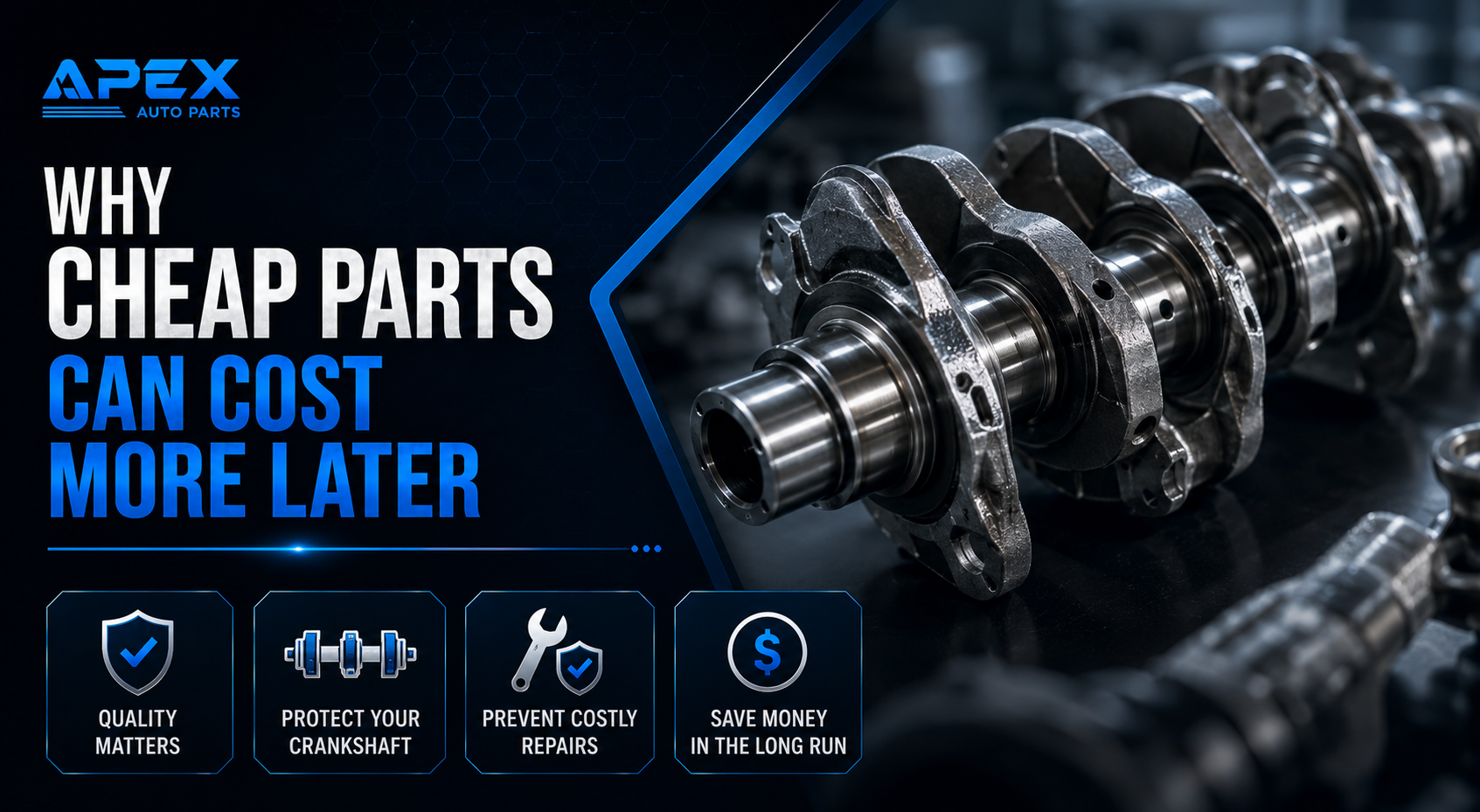 It can be tempting to buy the cheapest part, especially when engine repair costs are already high. But cheap parts can be risky. A weak crankshaft sensor may fail early. Poor bearings may wear quickly. Low-quality seals may leak. A badly made pulley may cause vibration.
A part that fails early can mean paying for labor twice. In some cases, it can damage other engine parts. This is why quality and fitment matter.
Good engine repair is not just about replacing a part. It is about fixing the problem properly so the engine can last.
Final Thoughts
The crankshaft is one of the most important parts in the engine. It converts piston motion into rotational power and helps the car move. If it works well, the engine runs smoothly. If it wears or fails, the repair can be serious.
The crankshaft sensor is also important because it tells the engine computer where the shaft is and how fast it is turning. Common crankshaft sensor symptoms include hard starting, stalling, rough idle, misfires, and no-start problems.
Mechanical crankshaft failure is often linked to oil problems, worn bearings, overheating, poor repairs, or heavy stress. The best protection is regular oil care, early diagnosis, and good-quality parts.
If you are trying to understand what a crankshaft does, remember this simple answer. It converts piston motion into rotational power, allowing the engine to drive the car.
For drivers and mechanics, the best advice is clear. Do not ignore warning lights, strange noises, oil pressure issues, or starting problems. Check the real cause, use the correct parts, and repair the engine before a small fault becomes a major failure.
FAQs Crankshaft Problems
1. What does a crankshaft do in an engine?
A crankshaft changes the up-and-down movement of the pistons into turning power. That torque helps move the car through the gearbox and onto the wheels. It also helps keep the engine moving smoothly. Without it, the engine cannot turn power into usable motion.
2. What are common crankshaft sensor symptoms?
Common crankshaft sensor symptoms include hard starting, engine stalling, rough idle, misfires, poor acceleration, and an engine warning light. In some cars, the engine may crank but not start. The fault can also appear when the engine gets hot and then disappears after cooling.
3. Can a bad crankshaft sensor stop a car from starting?
Yes, a faulty crankshaft sensor can stop the engine from starting. The engine computer needs the sensor signal to control fuel and spark timing. If the signal is missing or wrong, the car may crank but not start, or it may start only after a long crank.
4. What causes crankshaft failure?
Crankshaft failure is often caused by low or dirty oil, low oil pressure, worn bearings, overheating, improper bearing fit, or poor-quality parts. Heavy engine stress and bad previous repairs can also cause damage. Most failures get worse when early warning signs are ignored.
5. What does crankshaft failure sound like?
Crankshaft failure often causes a deep knocking sound from the lower part of the engine. The noise may get louder when revs rise or when the engine is under load. If you hear this type of knock, stop driving and get the engine checked quickly.
6. Is a crankshaft sensor the same as a camshaft sensor?
No, a crankshaft sensor and a camshaft sensor are different parts. The crankshaft position sensor measures the crankshaft's position and speed. The camshaft sensor reads the camshaft position. Both help the engine computer control timing, but they monitor different engine parts.
7. Can you drive with a bad crankshaft sensor?
You may be able to drive for a short time with a weak crankshaft sensor, but it is risky. The engine may stall without warning or fail to restart. If you notice symptoms of a crankshaft sensor failure, it is better to get the car checked before it leaves you stranded.
8. Can a crankshaft be repaired?
A crankshaft can sometimes be repaired if the damage is light. A machine shop may polish or grind it and fit matching bearings. If it is cracked, bent, or badly worn, replacement is usually better. The final choice depends on the engine condition and repair cost.
9. How do mechanics test a crankshaft sensor?
Mechanics test a crankshaft sensor by scanning fault codes, checking live engine data, inspecting wiring, and testing the sensor signal. They may also check the connector and sensor gap. A fault code helps, but it does not always prove the sensor itself is bad.
10. How can I prevent crankshaft failure?
You can reduce the risk of crankshaft failure by using the correct oil, changing oil on time, checking oil level, fixing leaks, and not ignoring oil pressure lights. Listen for knocking sounds and repair problems early. Clean oil and good bearings are key to protecting the crankshaft.