
 info@apexautoparts.co.uk
 +44 203 915 7535
 Safe & Fast Shipping
 Whish List
 Compare
 Sign In

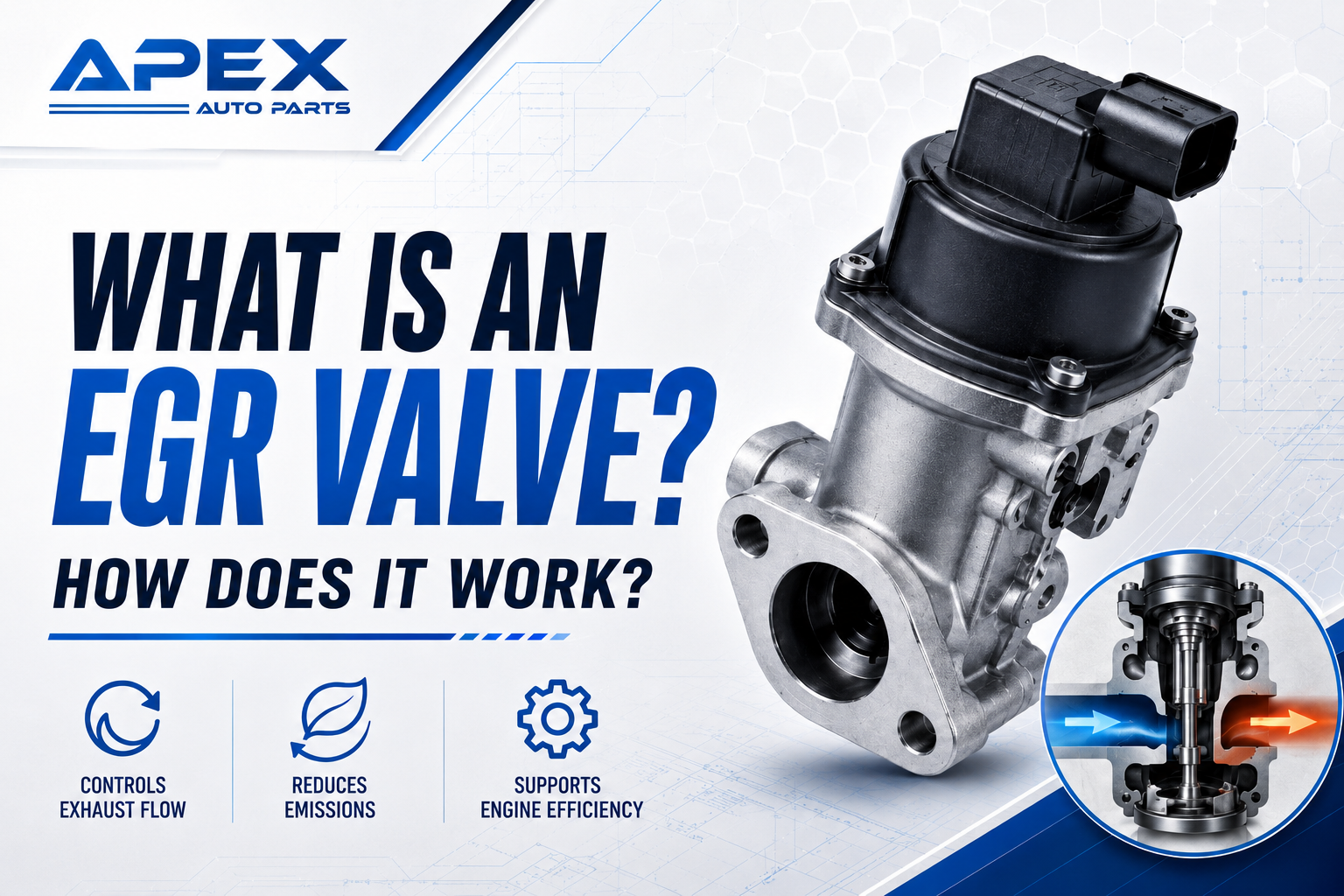
Most drivers do not think about the EGR Valve until the car starts acting strangely. The engine may shake while stopped. The check engine light may turn on. The car may feel weak when you press the gas pedal. Fuel use may also become higher than normal.
When these problems happen, many people think about spark plugs, fuel injectors, or engine oil first. But in many cars, the exhaust gas recirculation system can also be the reason. The EGR Valve is a key part of this system.
So, what is an EGR valve in simple words? It is a small valve that helps control engine emissions. It sends a small amount of exhaust gas back into the engine so the fuel burns at a lower temperature. This helps reduce harmful gases emitted from the exhaust.
The EGR Valve is found in many petrol and diesel engines. It does not make the car faster. It is not there to increase engine power. Its main job is to help the engine produce fewer harmful gases and comply with emission regulations.
When the valve works properly, most drivers never notice it. But when it becomes dirty, blocked, stuck, or damaged, the car can show clear warning signs. These signs are often referred to as EGR valve symptoms.
In this guide, you will learn what an EGR valve does, how it works, why it matters, what causes it to fail, when cleaning may help, and when an EGR valve replacement becomes the better option.
What is an EGR Valve?
An EGR Valve is part of the engine emission control system. EGR means exhaust gas recirculation. This means the system takes some exhaust gas from the engine and sends it back into the intake side.
This may sound odd because exhaust gas is already used gas. But the system only returns a small amount to the engine. This small amount helps lower the heat inside the combustion chamber.
The combustion chamber is where air and fuel burn in the engine. When this combustion process gets very hot, the engine can create more nitrogen oxides. These gases are harmful to the air and are one of the main reasons vehicles need emission control parts.
The EGR Valve helps reduce these gases by controlling how much exhaust gas goes back into the engine. It works like a small gate. Sometimes it stays closed. Sometimes it opens a little. The engine computer controls when the throttle opens and closes on most modern vehicles.
In simple terms, the EGR Valve helps the engine run cleaner. It also helps the vehicle meet emission standards. A working valve can support smooth engine behavior under the right driving conditions.
What Does an EGR Valve Do?
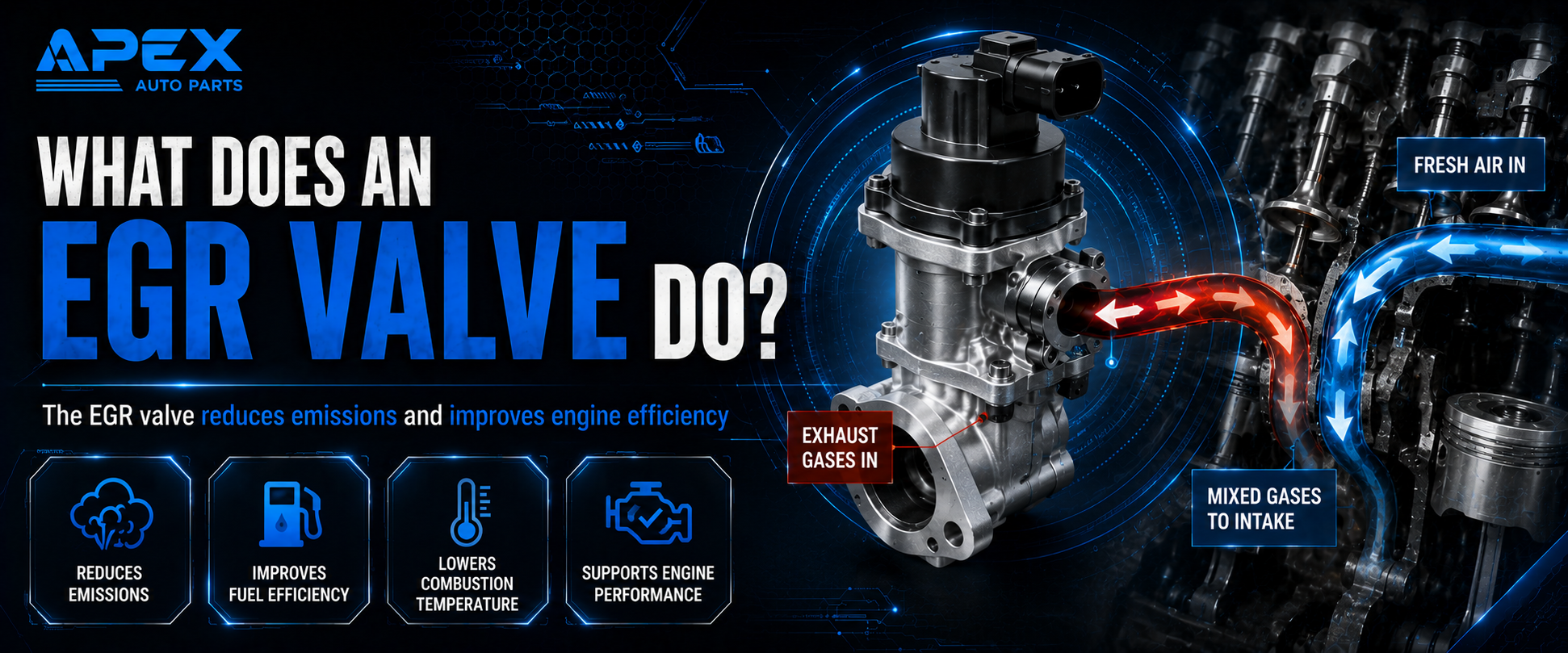
A common question is: What does an EGR valve do? The answer is simple. It controls the amount of exhaust gas that goes back into the engine intake.
The valve does not stay open all the time. It opens only when the engine needs it. For example, when the engine is cold, the valve is usually closed. When the engine is idling, it is also often closed. When the engine reaches normal temperature and the car is moving under certain conditions, the valve may open.
The EGR Valve helps by doing these jobs:
- It lowers the combustion temperature inside the engine
- It helps reduce harmful nitrogen oxides
- It helps the vehicle meet emission rules
- It controls exhaust gas flow into the intake
- It supports cleaner exhaust output
- It helps protect the engine from very high combustion heat
The most important thing to understand is control. The engine does not need too much exhaust gas. It only needs a small amount at the right time. If the valve opens too much, the engine may run rough. If it does not open when needed, emissions can rise.
That is why a faulty EGR Valve can cause both performance problems and emission problems.
How Does an EGR Valve Work?
The EGR Valve operates between the exhaust and intake sides of the engine. The exhaust side carries burnt gases away from the engine. The intake side brings fresh air into the engine.
The valve connects these two areas in a controlled way. When the engine computer opens the valve, a small amount of exhaust gas moves from the exhaust system into the intake system. This gas then mixes with fresh air before entering the engine.
Here is the process in simple steps:
- The engine burns air and fuel
- Exhaust gas leaves the engine
- A small part of that gas moves toward the EGR Valve
- The valve opens when the engine computer allows it
- Exhaust gas enters the intake
- The gas mixes with fresh air
- The engine burns the mixture at a lower temperature
- Harmful nitrogen oxide gases are reduced
This process happens many times while driving. The driver usually does not feel it when everything is working correctly.
Modern cars use sensors to check how the system is working. These sensors help the engine computer know if the valve is opening, closing, or flowing gas correctly. If something is wrong, the check engine light may turn on.
Why the EGR Valve Matters
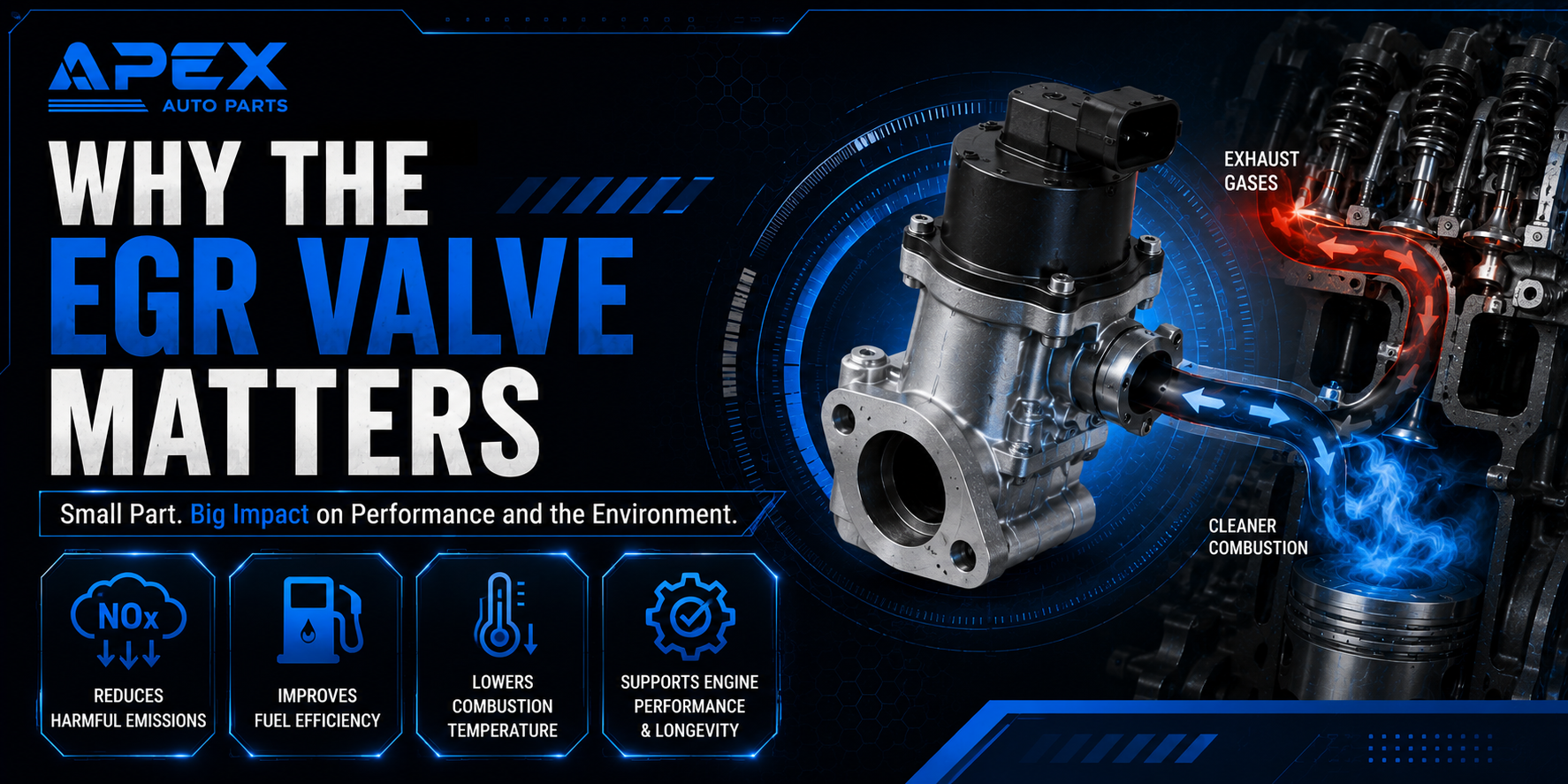
The EGR Valve matters because it helps reduce pollution. Without it, many engines would produce more harmful gases. This can cause the car to fail an emissions test in areas where testing is required.
It also helps control high combustion temperatures. Very high engine heat can lead to knocking, pinging, and higher nitrogen oxide emissions. The EGR system helps reduce this heat by adding a small amount of exhaust gas back into the intake air.
A healthy EGR Valve can also help the engine run more smoothly under some driving conditions. It works with the engine computer, intake system, exhaust system, and sensors to keep the vehicle balanced.
But when the valve becomes dirty or stuck, it can cause the opposite effect. Instead of helping the engine, it may disturb the air-fuel mixture. This can lead to a rough idle, poor fuel economy, reduced power, and stalling.
Main Signs of a Bad EGR Valve
The most common EGR valve symptoms can look like other engine problems. That is why many drivers get confused. A bad valve can make the car feel rough, weak, or unstable.
Here are the common signs to watch for:
- Check engine light turns on
- Engine feels rough at idle
- Car shakes while stopped
- Poor fuel economy
- Weak acceleration
- Engine knocking or pinging
- Hard starting
- Failed emission test
- Strong fuel smell
- Engine stalls at low speed
- Car feels slow when driving
- More smoke from the exhaust in some cases
These EGR valve symptoms can occur when the valve is stuck open or closed, blocked by carbon, or not responding to the engine computer.
A stuck-open valve often causes rough idle and stalling. A stuck-closed valve often causes higher emissions and possible engine knocking. A dirty valve may cause mixed symptoms because it opens and closes poorly.
EGR Valve Stuck Open Symptoms
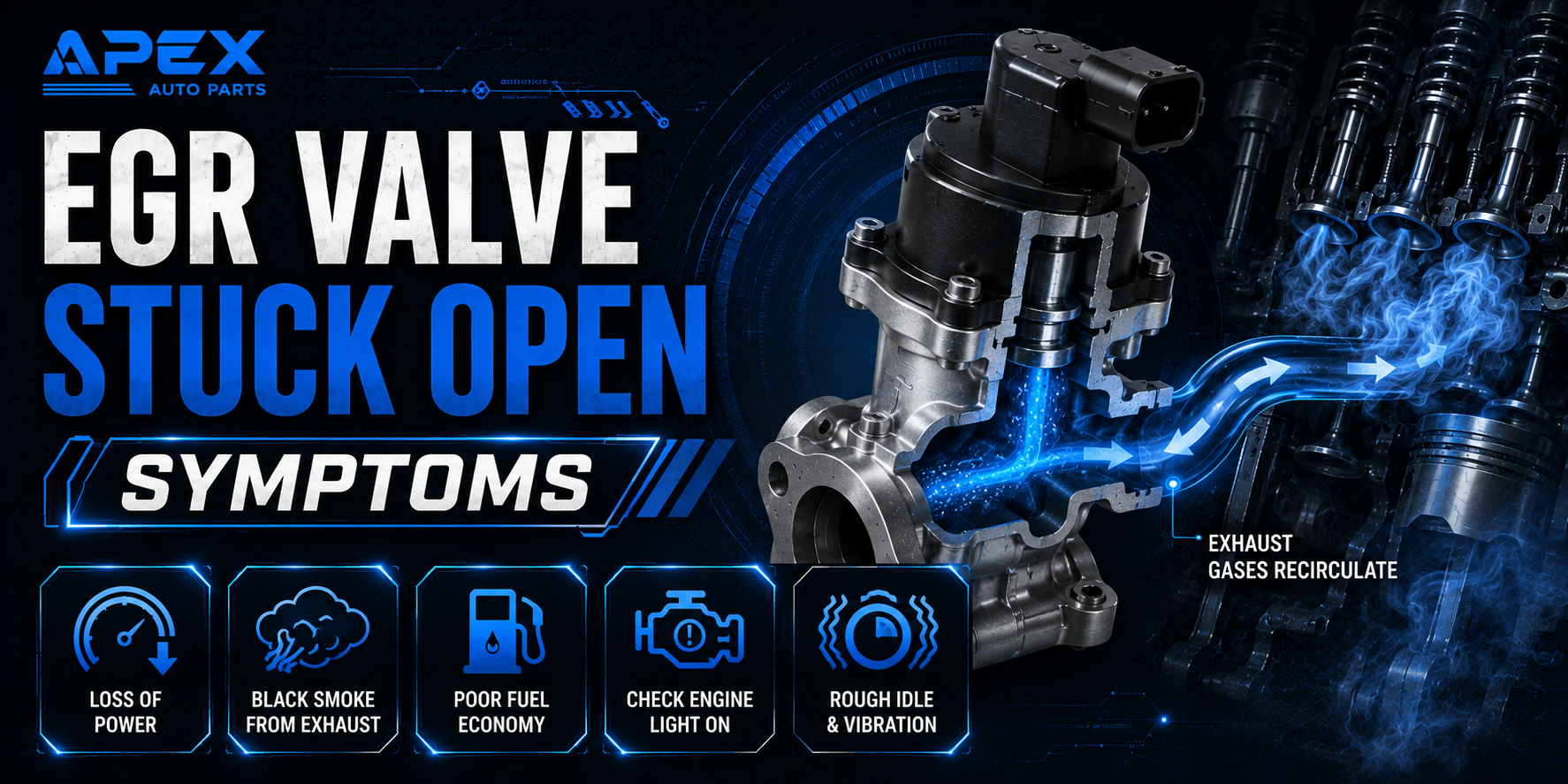
When the EGR Valve is stuck open, too much exhaust gas can enter the intake. This is a problem because the engine needs fresh air to run smoothly. Too much exhaust gas can disturb the air-fuel mixture.
This problem is often worse when the car is idling or moving slowly. At idle, the engine does not need much exhaust gas. If the valve stays open, the engine may shake or stall.
Common signs of a stuck-open EGR Valve include:
- Rough idle
- Engine shaking
- Stalling at traffic lights
- Hard starting
- Poor acceleration
- Strong fuel smell
- Low fuel mileage
- Engine hesitation
If your car feels like it may shut off while stopped, a stuck-open valve could be one reason. But the car should still be tested, as vacuum leaks, dirty throttle parts, and fuel problems can cause similar symptoms.
EGR Valve Stuck Closed Symptoms
When the EGR Valve is stuck closed, exhaust gas cannot return to the intake. This may not cause rough idle right away, but it can raise combustion temperature. Higher temperatures can lead to more nitrogen oxide emissions.
A stuck-closed valve can also cause engine knocking or pinging. This is a sharp sound that may happen when the engine is under load, such as when climbing a hill or accelerating.
Common signs of a stuck closed EGR Valve include:
- Check engine light
- Engine knocking
- Pinging sound
- Failed emission test
- Higher engine temperature during load
- Poor engine control at highway speed
- More harmful exhaust gases
A stuck-closed valve is often noticed during emission testing. The car may seem normal to the driver, but the exhaust output may be too high.
What Causes EGR Valve Problems?
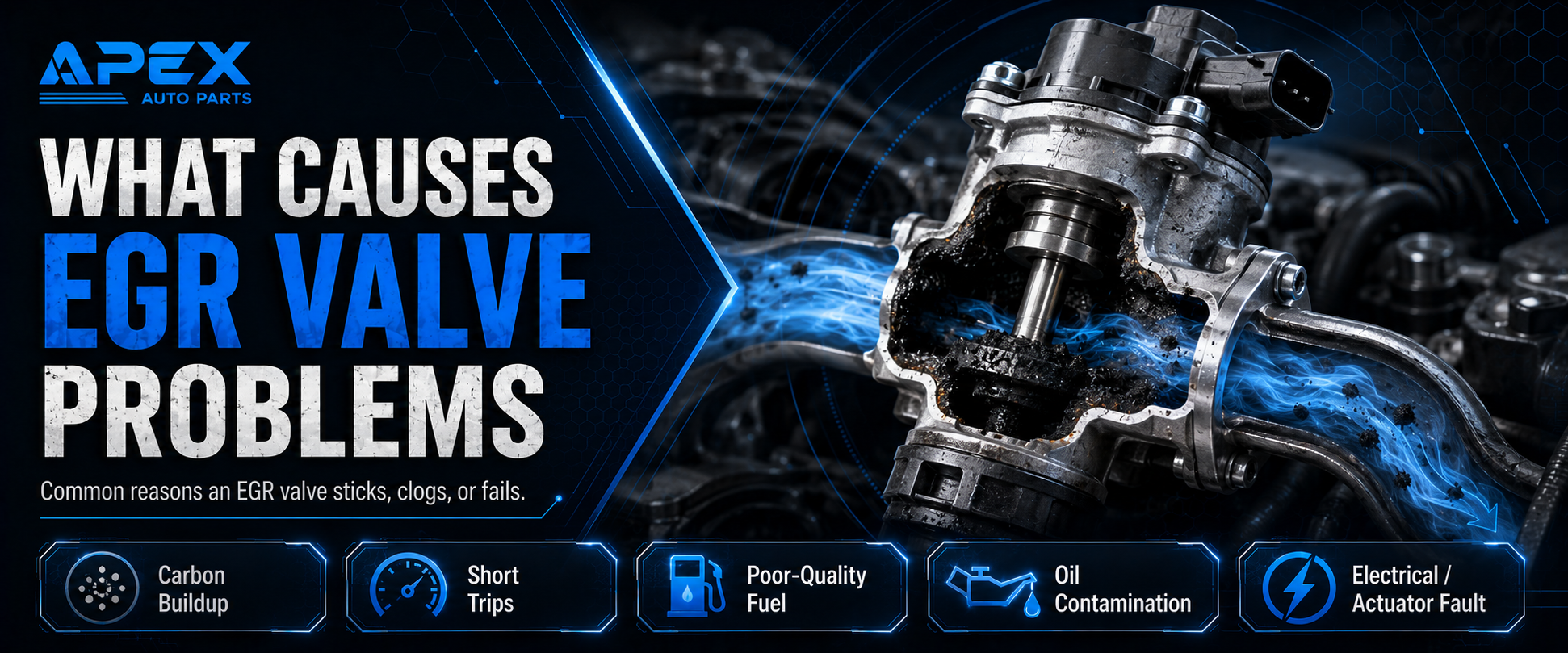
The EGR Valve deals with hot exhaust gas. This gas can carry soot, carbon, and other deposits. Over time, these deposits can accumulate on the valve, preventing its movement.
Carbon buildup is one of the biggest causes of EGR problems. The valve may become sticky, blocked, or slow to respond. In diesel engines, soot buildup can be even worse because diesel exhaust often contains more soot.
Common causes include:
- Carbon buildup around the valve
- Soot buildup in diesel engines
- Clogged EGR passages
- Dirty intake system
- Broken vacuum line
- Bad electrical connection
- Faulty EGR sensor
- Damaged wiring
- Oil vapor buildup
- Poor fuel quality
- Short trips that do not warm the engine fully
Short trips can worsen the buildup. If the engine does not reach normal operating temperature often, moisture and deposits can accumulate more quickly. City driving can also exacerbate the problem because the engine may spend more time at low speeds.
Can You Drive With a Bad EGR Valve?
You may be able to drive with a bad EGR Valve for a short time, but it is not something you should ignore. The problem can get worse and may affect other parts of the engine.
If the valve is stuck open, the car may stall while driving slowly or when stopping. This can be unsafe in traffic. If the valve is stuck closed, emissions can rise, and the engine may knock under load.
Driving with a bad valve can cause:
- Poor fuel mileage
- Rough engine performance
- Higher emissions
- Failed emission test
- More carbon buildup
- More stress on related sensors
- Higher repair cost later
If the check engine light is steady, you should have the car checked soon. If the check engine light is flashing, that can mean a serious misfire. In that case, it is better to stop driving and get help quickly.
How Mechanics Check the EGR Valve
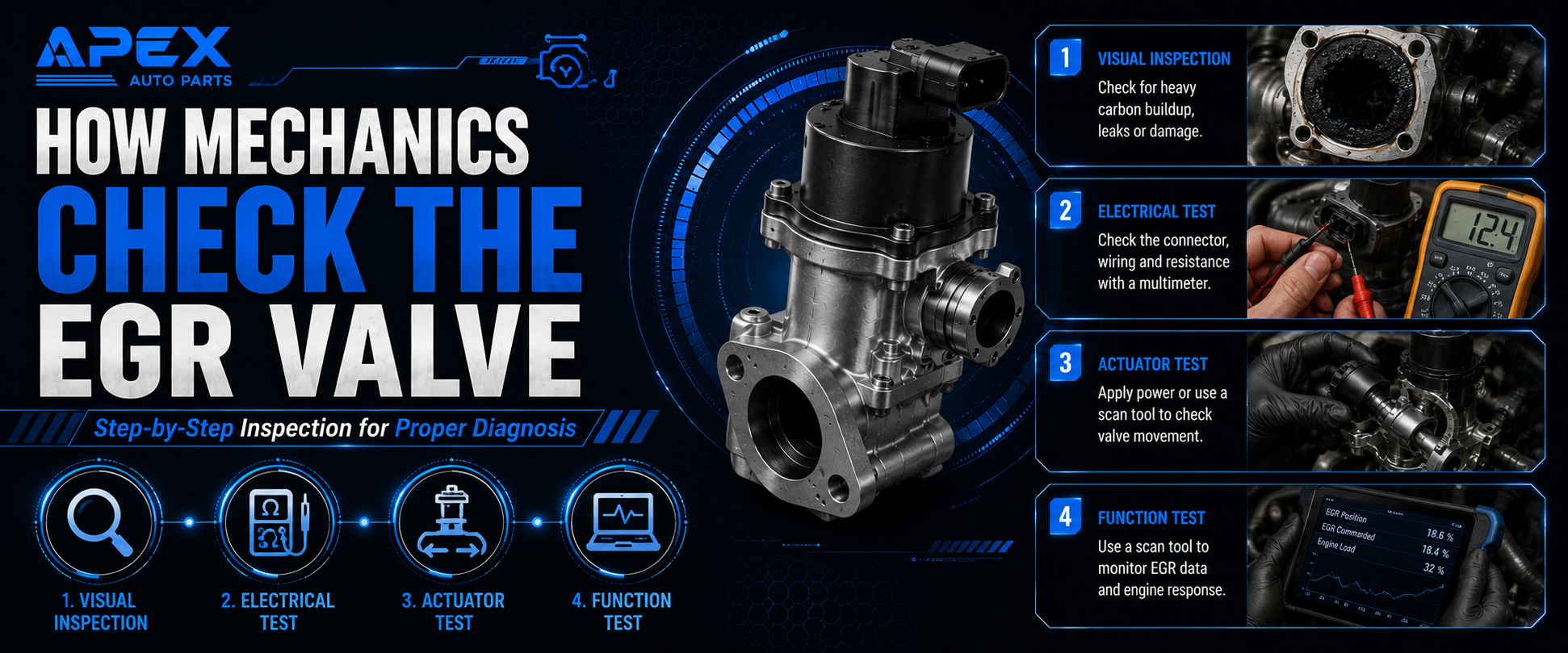
A good mechanic should not replace the EGR Valve without first checking the system. Many other engine issues can look like EGR trouble. The right test can save money and prevent wrong repairs.
A mechanic may check:
- Trouble codes stored in the engine computer
- Live data from EGR-related sensors
- Valve movement
- Vacuum lines on older systems
- Electrical connectors
- EGR pipes and passages
- Carbon buildup
- Intake system blockage
- Exhaust flow
- Emission test results
A trouble code can help point in the right direction, but it does not always mean the valve itself is bad. For example, a clogged passage can make the computer think the valve is not working. A broken wire can also cause an EGR-related code.
This is why proper inspection is important before EGR valve replacement.
Can an EGR Valve Be Cleaned?
Yes, the EGR Valve can often be cleaned if the main problem is carbon buildup. Cleaning may help the valve move freely again. It may also improve engine idle, fuel economy, and emission performance if the valve is sticking.
Cleaning may work when:
- The valve is dirty but not broken
- Carbon is blocking movement
- The valve still responds to control signals
- The EGR passage is partly clogged
- The sensor and wiring are still good
Cleaning may not work when:
- The valve motor has failed
- The valve sensor is bad
- The valve is cracked
- The wiring is damaged
- The valve is badly worn
- The valve is fully stuck due to internal damage
Cleaning is often cheaper than EGR valve replacement, but it is not always the final fix. If the valve becomes stuck again soon after cleaning, replacement may be needed.
When EGR Valve Replacement is Needed
EGR valve replacement is needed when the valve no longer works properly. If cleaning does not resolve the issue or if the valve has an electrical fault, replacement is usually the better option.
You may need an EGR valve replacement when:
- The valve is stuck and cannot move
- The valve does not respond to the engine computer
- The check engine light returns after cleaning
- The valve sensor is faulty
- The valve body is cracked
- The car fails emissions because of an EGR failure
- The engine keeps stalling due to the valve
- The valve has heavy internal damage
A new EGR Valve helps restore correct exhaust gas flow. After the replacement, the mechanic may clear the fault codes and test-drive the vehicle. In some cars, the new valve may also need to be learned by the engine computer.
How Much Does an EGR Valve Replacement Cost?
The cost of EGR valve replacement depends on the car, engine type, part quality, and labo time. Some valves are easy to reach. Others are hidden under engine parts, which makes the job take longer.
The price can change because of:
- Vehicle make and model
- Petrol or diesel engine type
- Location of the valve
- Labor rate in your area
- Original or aftermarket part choice
- Extra cleaning is needed in the EGR passages
- Related sensor or wiring problems
In some cars, the valve itself is not very expensive, but the labor can cost more because the part is hard to reach. In other cars, the valve may be costly because it has built-in electronics.
The best way to avoid wasting money is to check the full EGR system before replacing parts.
EGR Valve in Petrol and Diesel Engines
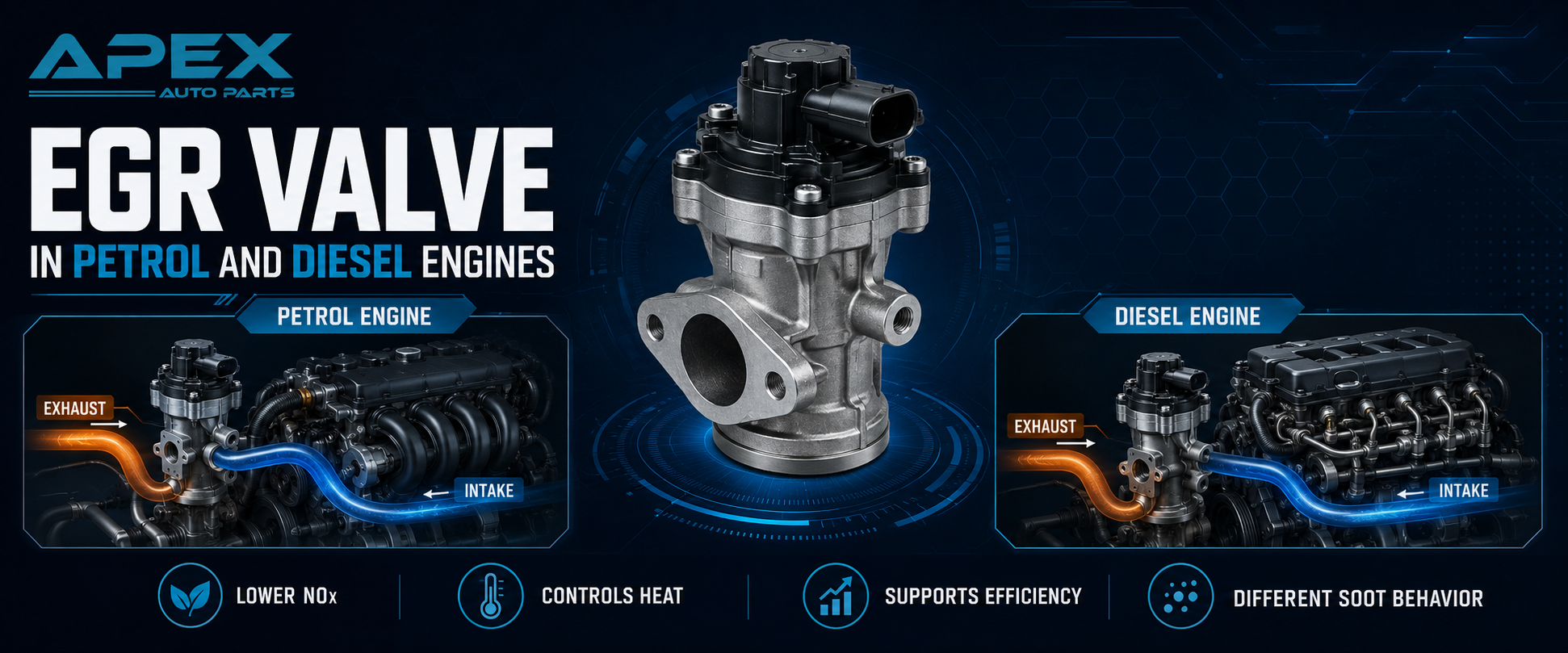
The EGR Valve can be found in both petrol and diesel engines, but the problems may look a little different.
In petrol engines, EGR problems often cause rough idle, knocking, check engine light, or poor fuel economy. The valve may become dirty over time, especially if the engine is poorly maintained.
In diesel engines, the EGR system often handles more soot. This can lead to faster carbon buildup in the valve and intake system. Diesel cars used mostly for short city trips may face more EGR and intake blockage problems.
Diesel EGR valve symptoms can include:
- Loss of power
- More smoke
- Poor fuel economy
- Rough running
- Check engine light
- Limp mode in some vehicles
- Failed emission test
A diesel EGR system may also work with other emission parts. This is why proper testing is important before cleaning or replacing the valve.
Can a Bad EGR Valve Affect Fuel Economy?
Yes, a bad EGR Valve can affect fuel economy. If the valve is stuck open, the engine may not receive the correct air-to-fuel mixture. This can make the engine burn fuel poorly. The car may feel weak, rough, and slow.
If the valve is stuck closed, the engine may run hotter under some conditions. The engine computer may adjust fuel use to protect the engine and control performance. This can also hurt mileage.
If fuel use has increased and you also notice a rough idle, hesitation, or a check engine light, the EGR system should be checked. It may not be the only possible cause, but it is an important one.
Can a Bad EGR Valve Cause Engine Knocking?
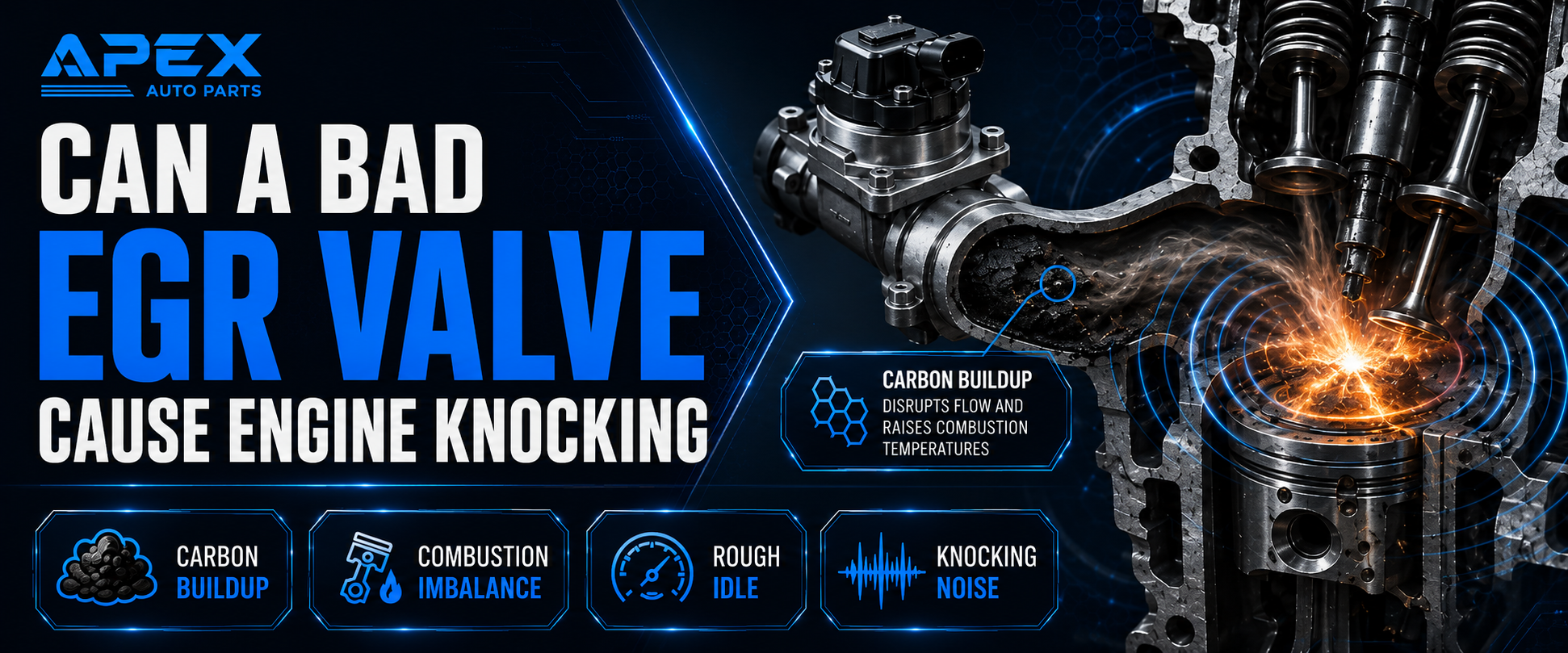
Yes, a bad EGR Valve can cause knocking if it is stuck closed. When the valve does not open, the combustion temperature can rise. Higher heat can cause the air-fuel mixture to burn unevenly.
This may create a knocking or pinging sound. You may hear it more when driving uphill, towing, or pressing the gas pedal harder.
Engine knocking should not be ignored. It can be caused by fuel quality, timing issues, carbon buildup, or EGR trouble. If it continues, it can harm the engine over time.
EGR Valve and Check Engine Light
The check engine light is one of the most common EGR valve symptoms. When the engine computer sees that the EGR system is not working as expected, it stores a fault code and turns on the light.
Common EGR-related problems that can trigger the light include:
- Low EGR flow
- Too much EGR flow
- Valve position problem
- Sensor problem
- Electrical fault
- Blocked EGR passage
- Vacuum control issue
The check engine light does not always mean you need an EGR valve replacement. The fault code only shows where the problem may be. The actual cause still needs to be checked.
EGR Valve and Emission Test Failure
The EGR Valve is closely linked to emissions. If the valve is not working, the vehicle may produce more harmful gases. This can lead to an emission test failure.
A car can fail because the valve is stuck closed, the EGR passage is blocked, or the sensor is not reading correctly. Sometimes the valve may be fine, but the exhaust gas pipe is clogged with carbon.
If your car fails an emission test, do not guess. Have the EGR system checked properly. Cleaning may fix the issue in some cases. In other cases, EGR valve replacement may be needed.
How to Help Prevent EGR Valve Problems
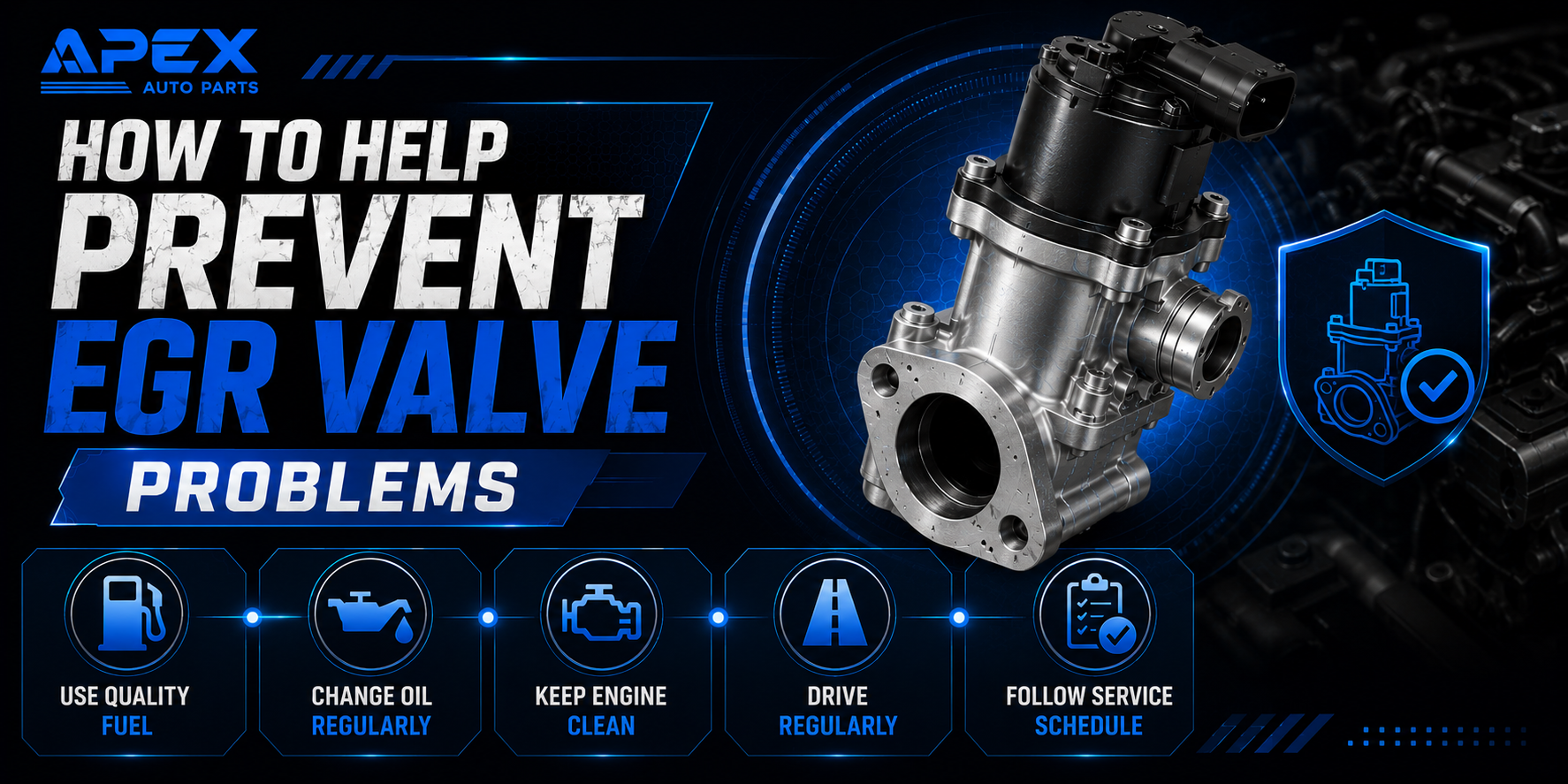
You cannot prevent the EGR Valve from wearing out, but you can reduce the risk of early failure. Good maintenance and better driving habits can help keep the system cleaner.
Helpful tips include:
- Change engine oil on time
- Use the correct oil for your engine
- Use good quality fuel
- Fix oil leaks early
- Do not ignore the check engine light
- Avoid only short trips all the time
- Let the engine reach normal temperature
- Clean the intake system when needed
- Fix rough idle early
- Follow your vehicle service schedule
For diesel vehicles, longer drives can help the engine reach full temperature. This may reduce soot and moisture buildup. For petrol vehicles, regular maintenance can help keep the intake and emission system cleaner.
Should You Clean or Replace the EGR Valve?
Cleaning and replacing are both possible options. The right choice depends on the valve's condition.
Cleaning may be the right choice if the valve is only dirty. If carbon is stopping it from moving freely, cleaning can help. This is often a good first step when the valve is still working electronically.
EGR valve replacement may be the right choice if the valve is damaged, cracked, stuck badly, or has an electrical fault. A replacement is also better if cleaning has already been done and the same problem recurs.
A simple way to think about it is this:
- A dirty valve means cleaning may help
- A broken valve means replacement is needed
- Blocked passage means the passage must be cleaned
- Bad wiring means the wiring must be repaired
- Bad sensor means the sensor or valve unit may need work
This is why full system testing is better than guessing.
Final Thoughts
The EGR Valve is a small part, but it has a big job. It helps reduce harmful emissions by sending a small amount of exhaust gas back into the engine. This lowers combustion temperature and helps control nitrogen oxides.
Now you know what an EGR valve is and why it matters. You also know what an EGR valve does, how it works, and what signs can appear when it fails.
The most common EGR valve symptoms include rough idle, check engine light, poor fuel economy, weak acceleration, engine knocking, stalling, and failed emission tests. These signs should not be ignored, as the problem can worsen over time.
Sometimes cleaning can fix the issue. But if the EGR valve is damaged, stuck, or not responding, EGR valve replacement may be the best repair option. The smart step is to check the full EGR system before replacing parts.
A healthy EGR Valve helps your car run cleaner, keeps emissions under control, and supports better engine performance during normal driving.
FAQs - EGR Valve
1. What is an EGR Valve in a car?
An EGR Valve is part of the engine emission system. It sends a small amount of exhaust gas back into the intake. This lowers the combustion temperature inside the engine and helps reduce harmful gases. It is used in many petrol and diesel vehicles.
2. What does an EGR Valve do?
Many drivers ask what an EGR valve does because the system sounds confusing. Its job is to control the flow of exhaust gas back into the engine. This helps lower combustion temperature, reduce harmful emissions, and keep the engine working within emission standards.
3. What are common EGR valve symptoms?
Common EGR valve symptoms include rough idle, check engine light, poor fuel economy, weak acceleration, engine knocking, stalling, and failed emission tests. These signs can also be caused by other engine issues, so the EGR system should be checked before parts are replaced.
4. Can a bad EGR Valve cause a rough idle?
Yes, a bad EGR Valve can cause a rough idle, especially when it is stuck open. Too much exhaust gas may enter the intake at the wrong time. This can disturb the air-fuel mixture, causing shaking, stalling, or uneven engine speed.
5. Is it safe to drive with a faulty EGR Valve?
You may drive for a short time with a faulty EGR Valve, but it should not be ignored. The car may stall, lose power, use more fuel, or fail emissions. If the check engine light flashes, stop driving and get the vehicle checked quickly.
6. Can an EGR Valve be cleaned instead of replaced?
Yes, an EGR Valve can often be cleaned if carbon buildup is the main issue. Cleaning may help the valve move normally again. But if the valve has an electrical fault, a broken sensor, a cracked body, or heavy damage, EGR valve replacement is usually needed.
7. When is EGR valve replacement needed?
EGR valve replacement is needed when the valve is damaged, stuck, or no longer responds correctly. If cleaning does not fix the issue, or the check engine light returns with EGR-related codes, replacing the valve may be the proper repair.
8. Can a bad EGR Valve affect fuel economy?
Yes, a bad EGR Valve can reduce fuel economy. If the valve is stuck open or closed, the engine may not burn fuel as smoothly as it should. This can lead to poor mileage, weak power, rough running, and higher fuel use.
9. What is an EGR valve in simple words?
If you are wondering what an EGR valve is, it is, in simple terms, a small valve that helps control pollution. It sends some exhaust gas back into the engine to lower the heat during combustion. This helps reduce harmful gases from the vehicle.
10. Can a bad EGR Valve fail an emission test?
Yes, a bad EGR Valve can cause an emission test failure. If the valve does not open or close correctly, harmful gases may rise above the allowed limit. A blocked EGR pipe, bad sensor, or wiring issue can also cause similar results.