
 info@apexautoparts.co.uk
 +44 203 915 7535
 Safe & Fast Shipping
 Whish List
 Compare
 Sign In

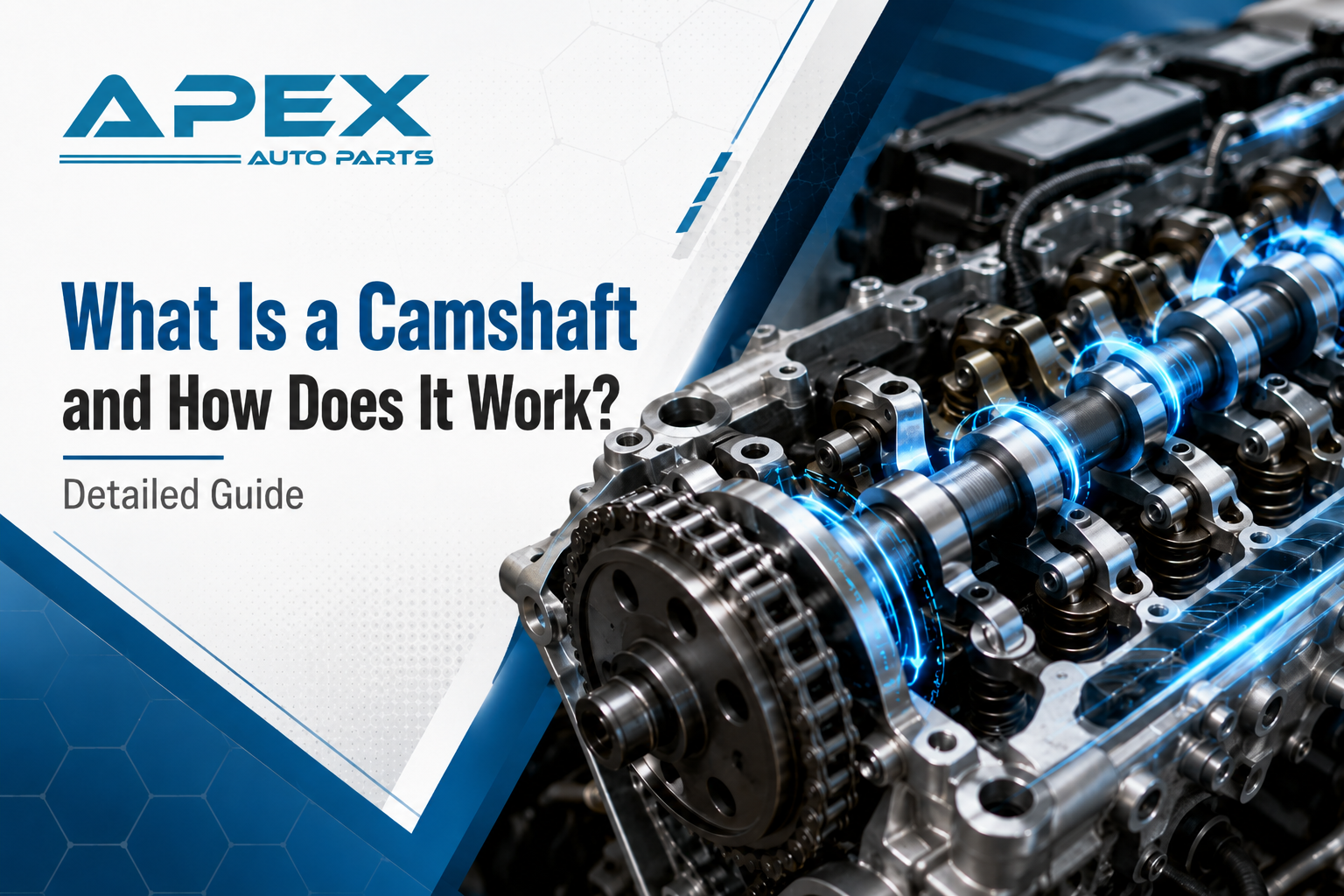
A car engine has many moving parts, but only a few parts control how the engine breathes. One of the most important parts is the Camshaft. It helps open and close the engine valves at the right time. Without it, the engine cannot take in air, burn fuel properly, or expel exhaust gases. Many drivers hear the word Camshaft when a mechanic talks about timing issues, sensor faults, engine noise, or poor performance. Some people think it is only a part found deep inside the engine, so they ignore it until the car starts to act up. But when a camshaft or its related parts fail, the engine can quickly lose power, run rough, use more fuel, or even stop.
The easiest way to understand the Camshaft is this. The engine needs air and fuel to enter the cylinders. After the fuel burns, the engine also needs exhaust gases to leave. The camshaft controls the valves that make this happen. It works with the crankshaft, timing belt, timing chain, lifters, rocker arms, and valves to keep everything moving at the correct time. If the timing is off, even by a small amount, the engine will not run the way it should. That is why camshaft problems should never be ignored.
This guide explains what a camshaft does, how it works, what happens when it fails, how to spot symptoms of a camshaft sensor failure, and why components like the exhaust camshaft and diesel camshaft matter. Apex Auto Parts helps drivers find the right engine parts, so knowing how these parts work can save you money and help you avoid replacing the wrong part.
What is a Camshaft?
A Camshaft is a metal shaft inside the engine. It has raised sections called lobes. These lobes press on parts that open the engine valves. As the camshaft turns, the lobes push the valves open and allow them to close again at the right time. The camshaft does not work alone. It is linked to the crankshaft through a timing belt or timing chain. The crankshaft moves with the pistons. The camshaft must stay in time with the crankshaft so the valves open and close at the right moment.
In simple terms, the crankshaft moves the pistons, and the camshaft controls the valves. Both must work together. A modern engine may have one, two, or more camshafts, depending on the design. Some engines have a single overhead camshaft. Some have double overhead camshafts. In many modern cars, one camshaft controls the intake valves, and another camshaft controls the exhaust valves.
The camshaft is designed to withstand high pressure, heat, and constant movement. It turns many times every minute when the engine is running. If it wears out, gets damaged, or loses proper oil flow, the engine can suffer serious problems.
What does a camshaft do?
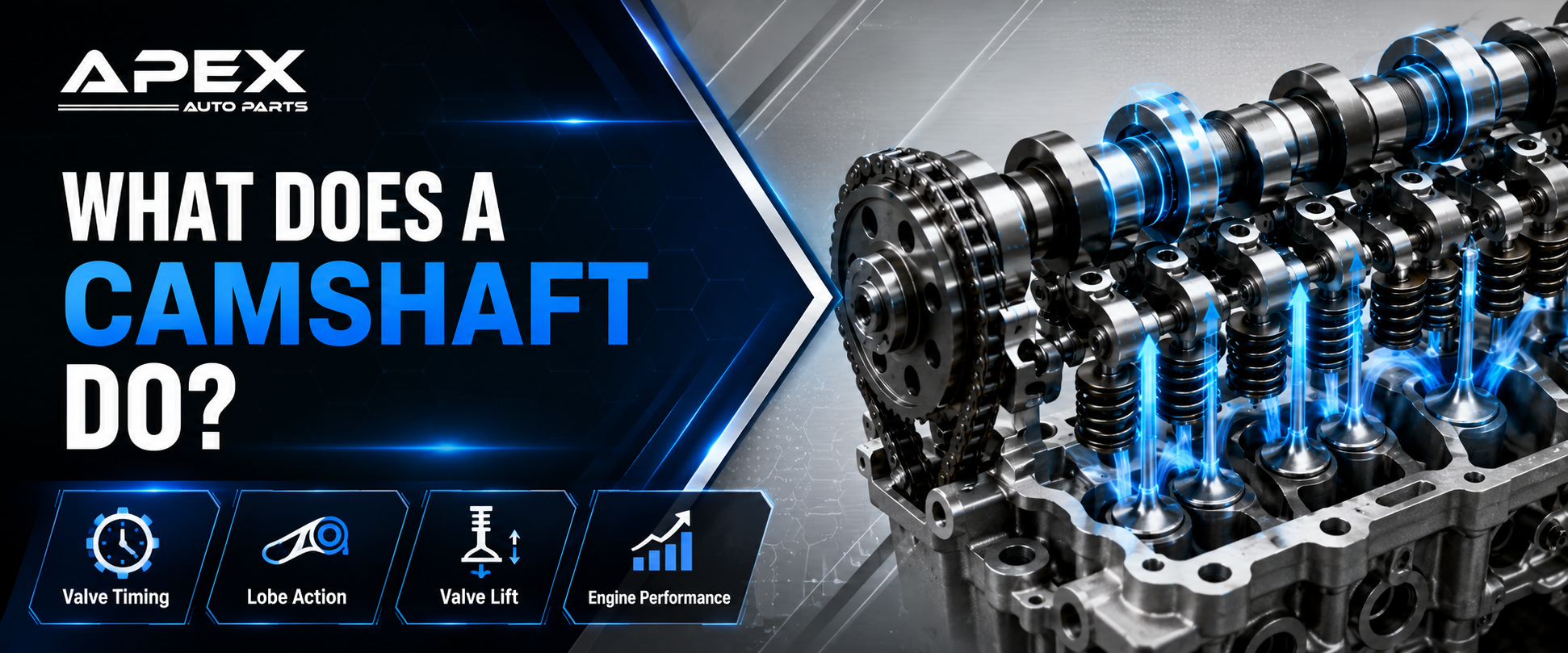
If you are asking what a camshaft does, the simple answer is this. It controls when the engine valves open and close.
The valves are like small doors inside the engine. Intake valves let air and fuel into the cylinder. Exhaust valves let burnt gases leave the cylinder. These valves must open and close at exactly the right time.
If the intake valve opens too early or too late, the engine may not get the right air-to-fuel mixture. If the exhaust valve opens at the wrong time, burnt gases may not leave properly. This can cause poor power, rough running, bad fuel economy, and engine warning lights.
The Camshaft helps control:
- Air entering the engine
- Exhaust gases leaving the engine
- Valve timing
- Engine breathing
- Power delivery
- Fuel burn quality
- Engine smoothness
- Emissions performance
A good camshaft helps the engine feel smooth and strong. A worn or damaged camshaft can make the engine feel weak, noisy, and rough.
How Does a Camshaft Work?
The Camshaft works by spinning inside the engine. As it spins, the cam lobes press against lifters, followers, or rocker arms. These parts then open the valves. When the lobe moves away, the valve spring closes the valve again.
This process happens very fast. When you press the accelerator, the engine speed increases. The camshaft also spins faster. It must still open and close the valves at the right time.
The camshaft is timed with the crankshaft. This timing is controlled by a timing belt or timing chain. If the belt or chain slips, stretches, or breaks, the camshaft can move out of time. This can lead to poor running or serious engine damage. Many modern engines also use variable valve timing. This system can slightly adjust camshaft timing while the engine is running. It helps improve power, fuel use, and emissions. But if the system fails, the engine may feel rough, slow, or weak.
That is why camshaft health is not only about the metal shaft itself. The sensor, timing system, oil pressure, solenoids, and related parts also matter.
Why is the Camshaft Important for Engine Breathing?
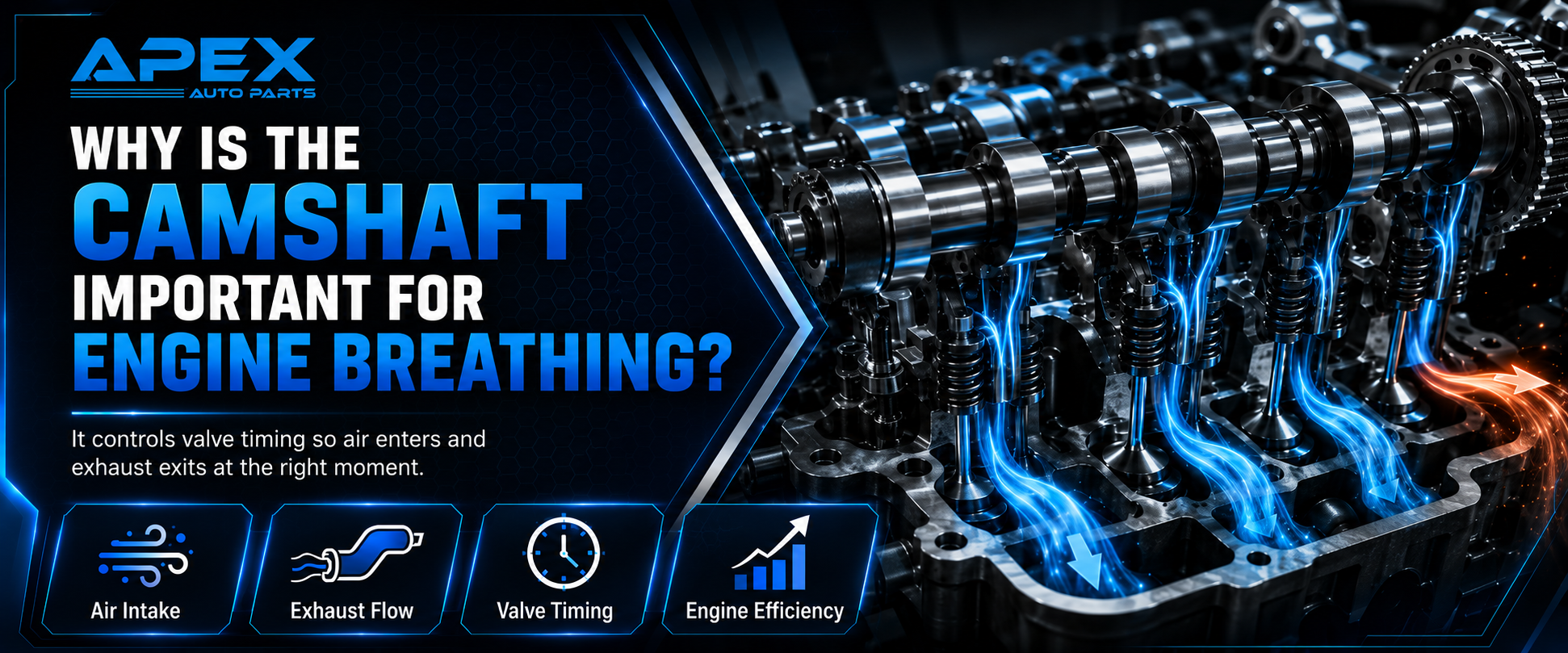
An engine needs to breathe to work well. Air must enter, fuel must burn, and exhaust gases must leave. The Camshaft controls the timing of this breathing process. Think of it like a person breathing during exercise. If the breathing is smooth, the body works better. If breathing is blocked or out of rhythm, the body feels weak. The same idea applies to an engine.
If the camshaft works properly, the engine gets the right amount of air at the right time. The fuel burns better, the pistons move with more force, and the car feels stronger. If the camshaft is worn or out of time, the engine may not breathe properly.
This can cause:
- Poor acceleration
- Rough idle
- Engine misfire
- Lower fuel economy
- Loss of power
- Bad emissions
- Hard starting
- Engine warning light
A good mechanic will not only check the camshaft when there is a problem. They will also check the timing system, oil condition, sensors, and valve train parts.
What is an exhaust camshaft?
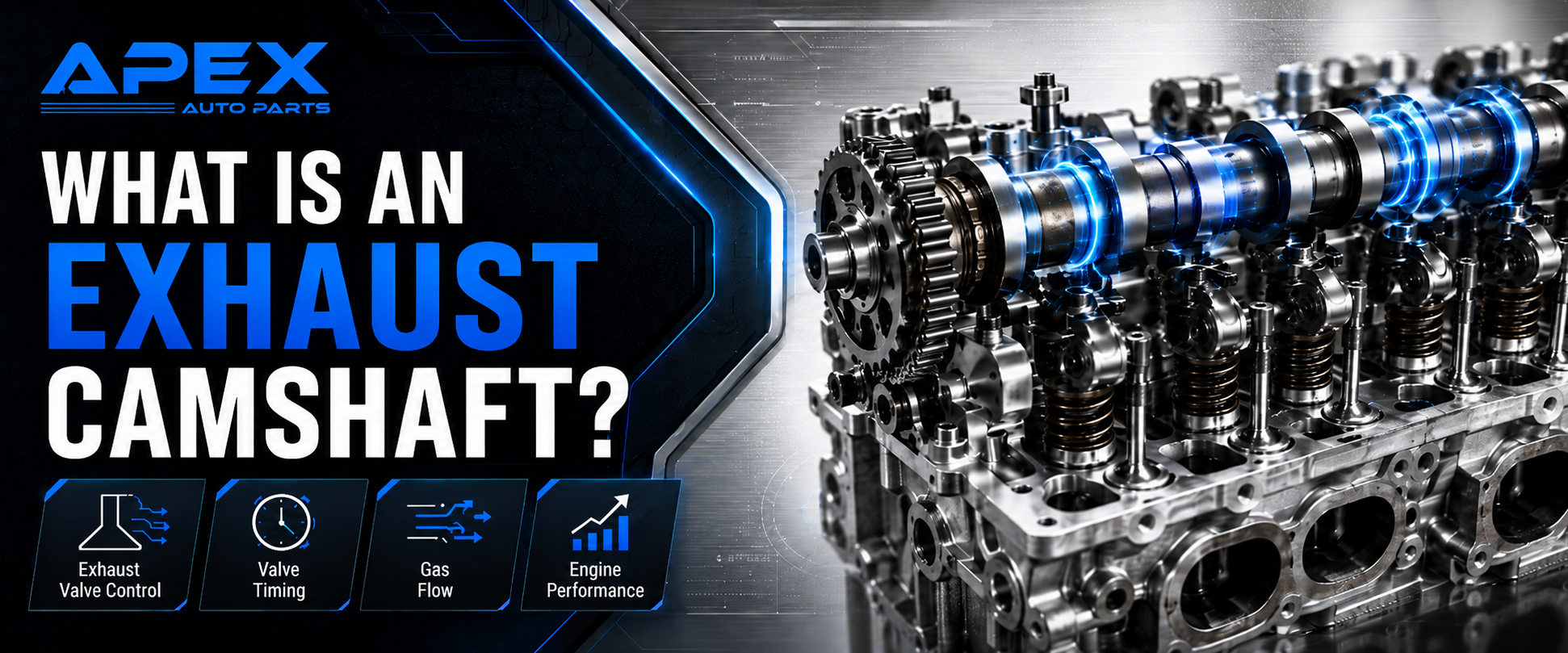
An exhaust camshaft is the camshaft that controls the exhaust valves. These valves allow burnt gases to escape the cylinder after combustion. In many modern engines, there are two camshafts. One controls the intake valves, and one controls the exhaust valves. The intake side helps bring air into the engine. The exhaust side helps push used gases out.
The exhaust camshaft has to deal with heat and pressure because exhaust gases are very hot. If the exhaust camshaft is worn, damaged, or not timed correctly, the engine may struggle to remove gases from the cylinder. This can lead to poor running, low power, strange noises, and higher emissions. In some engines, a fault with the exhaust camshaft timing can also cause warning lights and fault codes.
Common signs of an exhaust camshaft issue may include rough idle, poor acceleration, rattling from the timing area, engine misfire, or a camshaft timing fault code. If the issue is ignored, it may cause more stress on valves, timing parts, and sensors.
What is a diesel camshaft?
A diesel camshaft works in a diesel engine. Its job is still to open and close valves, but diesel engines work differently from petrol engines. Diesel engines usually operate at higher compression and with higher internal pressure.
Because of this, a diesel camshaft must be strong and accurate. It has to control valve timing in a tough engine environment. Many diesel engines are built for torque, pulling power, and long life, so the camshaft plays a big role in keeping the engine smooth and reliable.
Some diesel engines also use the camshaft to drive extra parts, depending on the engine design. This may include fuel-related parts or vacuum-related parts in some setups.
A worn diesel camshaft can cause ticking noises, rough running, poor starting, loss of power, and smoke. If oil changes are missed, sludge can build up, reducing lubrication. This can wear the camshaft lobes faster.
Diesel owners should pay close attention to oil quality. Clean oil is one of the best ways to protect the camshaft and valve train.
Common Camshaft Problems
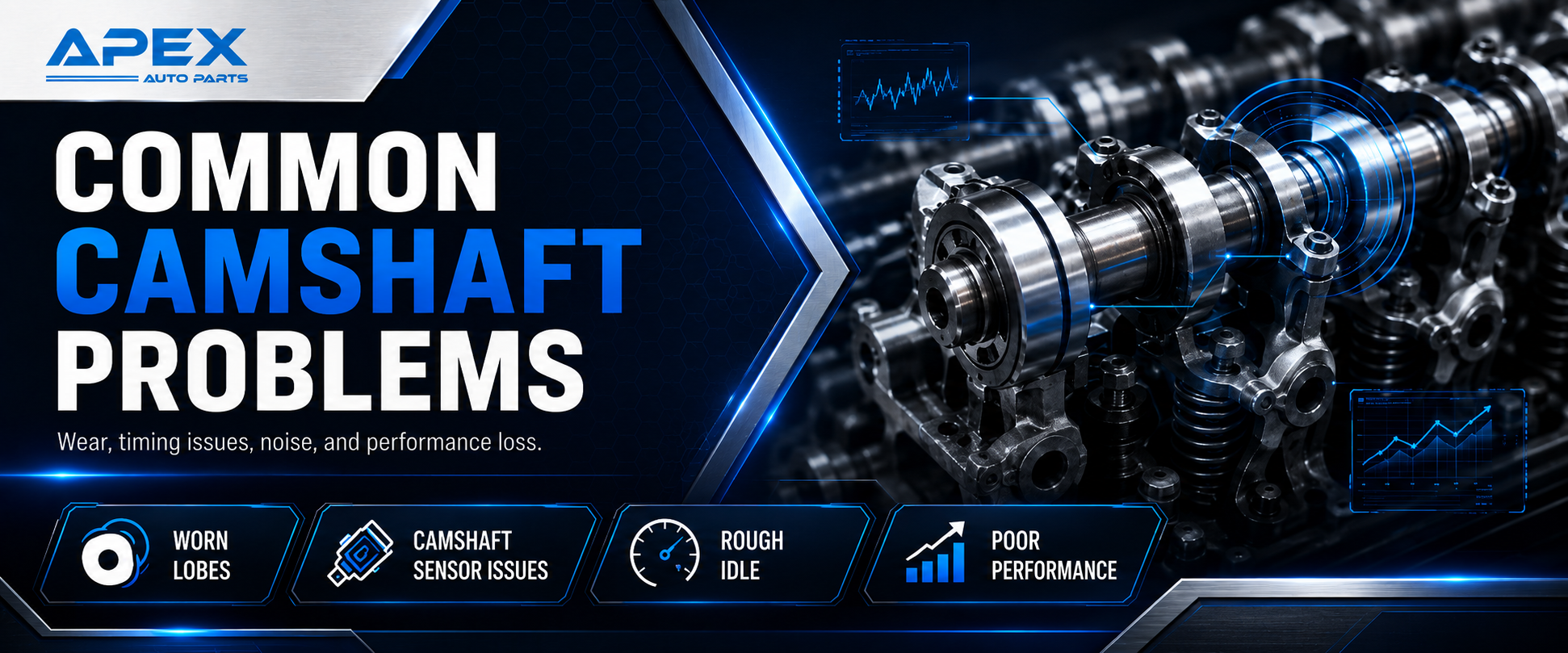
Camshaft problems can occur due to wear, oil issues, timing problems, or sensor failure. Some problems are mechanical, and some are electrical. A worn camshaft is a mechanical problem. The metal lobes may wear down, causing the valves to not open properly. A faulty camshaft position sensor is an electrical or signal issue. The sensor may send wrong information to the engine control unit.
Common camshaft problems include:
- Worn cam lobes
- Low oil pressure
- Dirty oil
- Timing chain stretch
- Timing belt wear
- Faulty camshaft sensor
- Variable valve timing failure
- Damaged lifters or followers
- Broken rocker arms
- Poor previous repair
- Engine overheating
- Wrong oil grade
Many of these problems can feel similar from the driver’s seat. The car may run rough, lose power, or show a warning light. That is why checking the real cause is important.
Replacing a sensor will not fix a worn camshaft. Replacing a camshaft will not fix a broken timing chain. A good diagnosis saves money.
Camshaft Sensor Symptoms Drivers Should Know
The camshaft position sensor helps the engine computer determine the camshaft position. This helps the engine control fuel injection, ignition timing, and valve timing systems.
When the sensor fails, the engine computer may not know the exact camshaft position. This can cause the engine to run poorly or fail to start.
Common camshaft sensor symptoms include hard starting, engine stalling, poor acceleration, rough idle, misfires, lower fuel economy, and an engine warning light.
Some cars may still run with a bad camshaft sensor, but they may feel weak or rough. Other cars may not start at all.
A bad sensor can also cause fault codes. But a fault code does not always mean the sensor itself is bad. The problem could be wiring, timing, oil control, or the camshaft position system. A mechanic should test before replacing parts.
Can a Bad Camshaft Sensor Stop a Car From Starting?
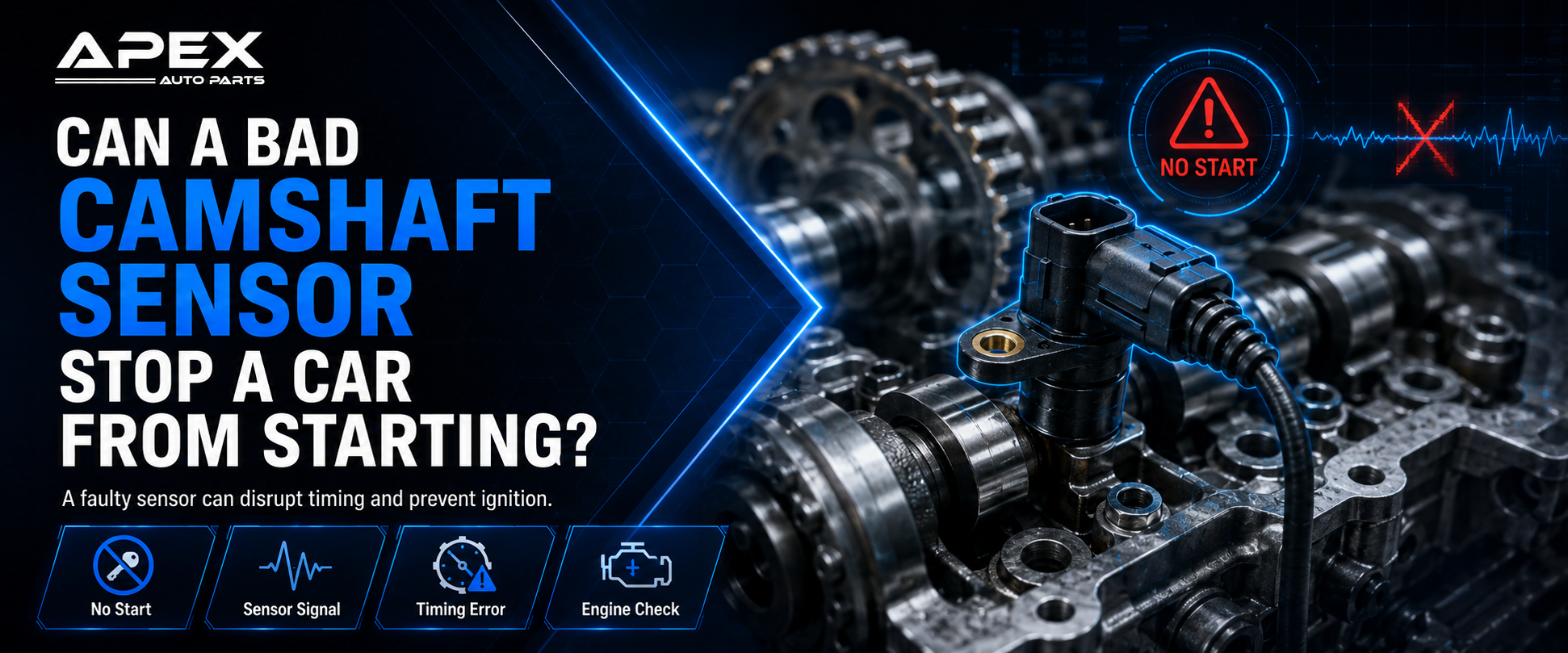
Yes, a faulty camshaft position sensor can prevent a car from starting. The engine computer needs correct timing information to start and run the engine properly. If the camshaft sensor signal is missing or wrong, the computer may not know when to inject fuel or fire the spark. In some vehicles, the engine may crank but not start. In others, it may start after a long crank. Some cars may start when cold but fail when hot.
This is one of the most common symptoms of a camshaft position sensor. If your car is hard to start and also has a camshaft sensor fault code, the sensor and wiring should be checked. Do not keep cranking the engine for too long. It can drain the battery and stress the starter motor. Find the cause and repair it properly.
Camshaft Noise and What It Means
A healthy camshaft should not make loud ticking, knocking, or grinding sounds. Some engines have normal light valve train noise, but loud or new noises should be checked.
Camshaft noise can happen when the cam lobes are worn, lifters are weak, rocker arms are loose, or oil is not reaching the valve train properly.
Low oil pressure is a big concern. The camshaft needs oil to reduce friction. Without enough oil, metal parts can rub against each other and wear quickly.
A ticking noise from the top of the engine may point to valve train wear. A rattling noise from the timing side may point to timing chain or tensioner issues. A grinding sound is more serious and should be checked quickly.
If you hear new engine noise, do not ignore it. A small camshaft or valve train issue can turn into a costly repair if the engine keeps running without proper oil or timing.
How Dirty Oil Damages a Camshaft
Oil is like protection for the camshaft. It keeps metal parts from rubbing hard against each other. It also helps carry heat away and keeps parts clean.
When oil gets dirty, old, or too thick, it may not properly protect the camshaft. Sludge can block small oil passages. This can reduce oil flow to the camshaft, lifters, and valve train.
Over time, poor oil care can cause camshaft wear. The lobes can become rounded or scratched. Once this happens, the valves may not open fully. The engine may lose power and run rough.
This is a common issue in engines that miss oil changes. A diesel camshaft can also suffer badly from poor oil care because diesel engines often create more soot in the oil.
Good oil care is one of the simplest ways to protect the camshaft.
Timing Belt, Timing Chain, and Camshaft Timing
The camshaft must stay in time with the crankshaft. This is where the timing belt or timing chain comes in. The timing belt or chain connects the crankshaft and camshaft so they move together. If the timing is correct, the pistons and valves move safely. If the timing is wrong, the engine may run badly or suffer damage. A stretched timing chain can cause poor camshaft timing. A worn timing belt can slip or break. A failed tensioner can also cause timing problems.
Common timing-related signs include:
- Rattling from the timing area
- Hard starting
- Poor idle
- Loss of power
- Camshaft timing fault codes
- Engine warning light
- Misfires
- Poor fuel economy
If the timing belt or chain fails completely, serious engine damage can happen, especially on interference engines. This is why timing issues should be checked quickly.
Camshaft and Variable Valve Timing
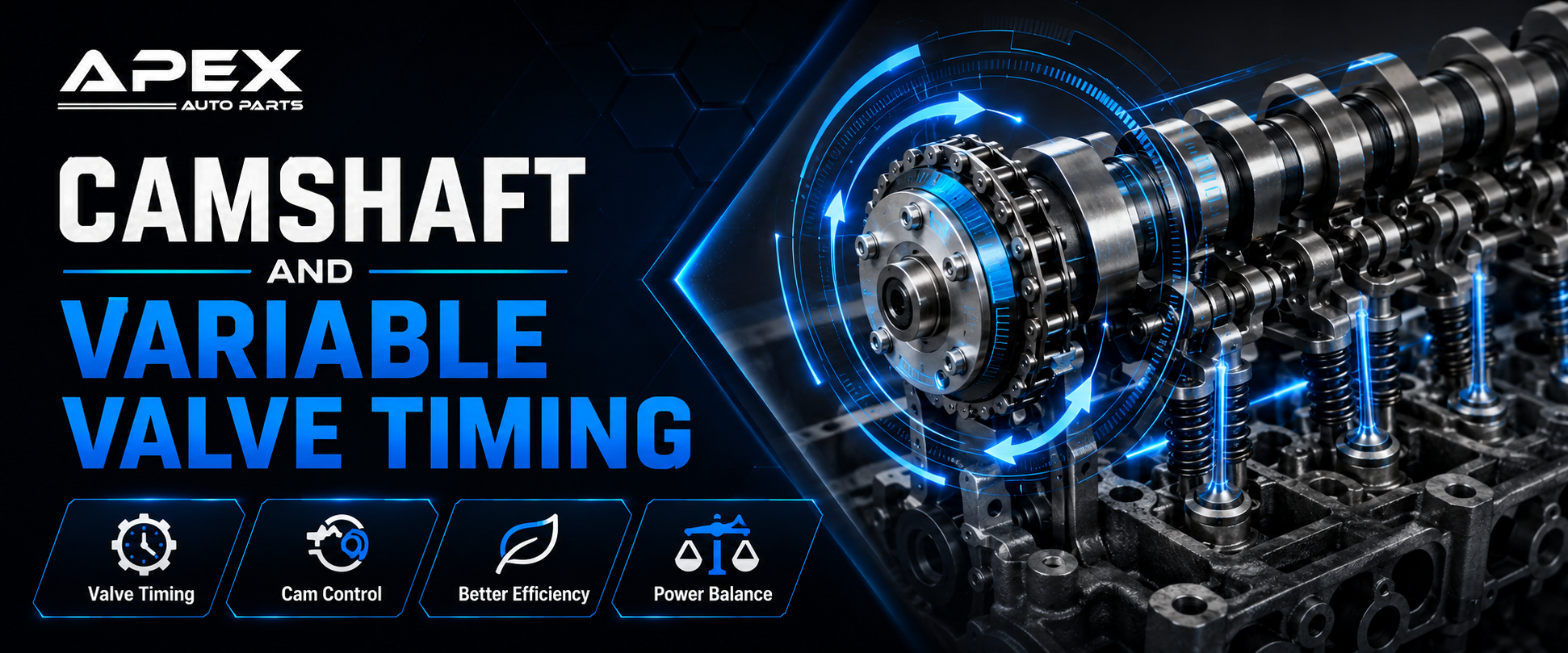
Many modern engines use variable valve timing. This system can slightly adjust camshaft timing while the engine runs. It helps the engine produce more power across a wider range of speeds. At low speeds, the engine may require a different valve timing. At a higher speed, it may need another. Variable valve timing helps the engine adjust.
This system usually uses oil pressure, control solenoids, sensors, and the engine computer. If the oil is dirty or the solenoid fails, camshaft timing may not adjust properly.
Signs of variable valve timing problems can include a rough idle, weak acceleration, increased fuel consumption, rattling, and fault codes. Sometimes the camshaft sensor gets blamed when the real issue is dirty oil or a bad oil control valve. This is why proper testing matters.
How Mechanics Check Camshaft Problems
A mechanic will usually start with the symptoms. They may ask when the problem happens. Is it a cold start? Is it worse when it's hot? Is there noise? Is there smoke? Does the warning light come on? Then they may scan the car for fault codes. If there is a camshaft sensor code, they may check the wiring, sensor signal, timing data, and oil condition. For mechanical camshaft problems, the mechanic may remove covers and inspect the valve train. They may look for worn lobes, damaged followers, broken rocker arms, or poor oil flow.
A good inspection may include:
- Checking oil level and oil condition
- Scanning for fault codes
- Testing camshaft sensor signal
- Checking timing marks or timing data
- Listening for top engine noise
- Inspecting valve train parts
- Checking variable valve timing parts
- Looking for metal flakes in oil
- Checking service history
The aim is to find the real fault, not just replace the part named in a fault code.
When Does a Camshaft Need Replacing?
A Camshaft may need to be replaced if it is worn, cracked, scored, bent, or otherwise damaged. It may also need replacement if the lobes are no longer the correct shape.
A camshaft is not usually replaced as part of normal service. It is replaced when there is a clear fault.
You may need camshaft replacement if:
- Cam lobes are worn down
- There is heavy scoring on the shaft
- The camshaft is cracked
- The engine has top-end knocking caused by cam wear
- Valve lift is too low because of worn lobes
- A failed timing system caused damage
- Oil starvation damaged the camshaft
- Related followers or lifters are badly worn
When replacing a camshaft, related parts should also be checked. A new camshaft fitted with worn lifters or damaged followers may fail early.
Should You Replace the Camshaft Sensor First?
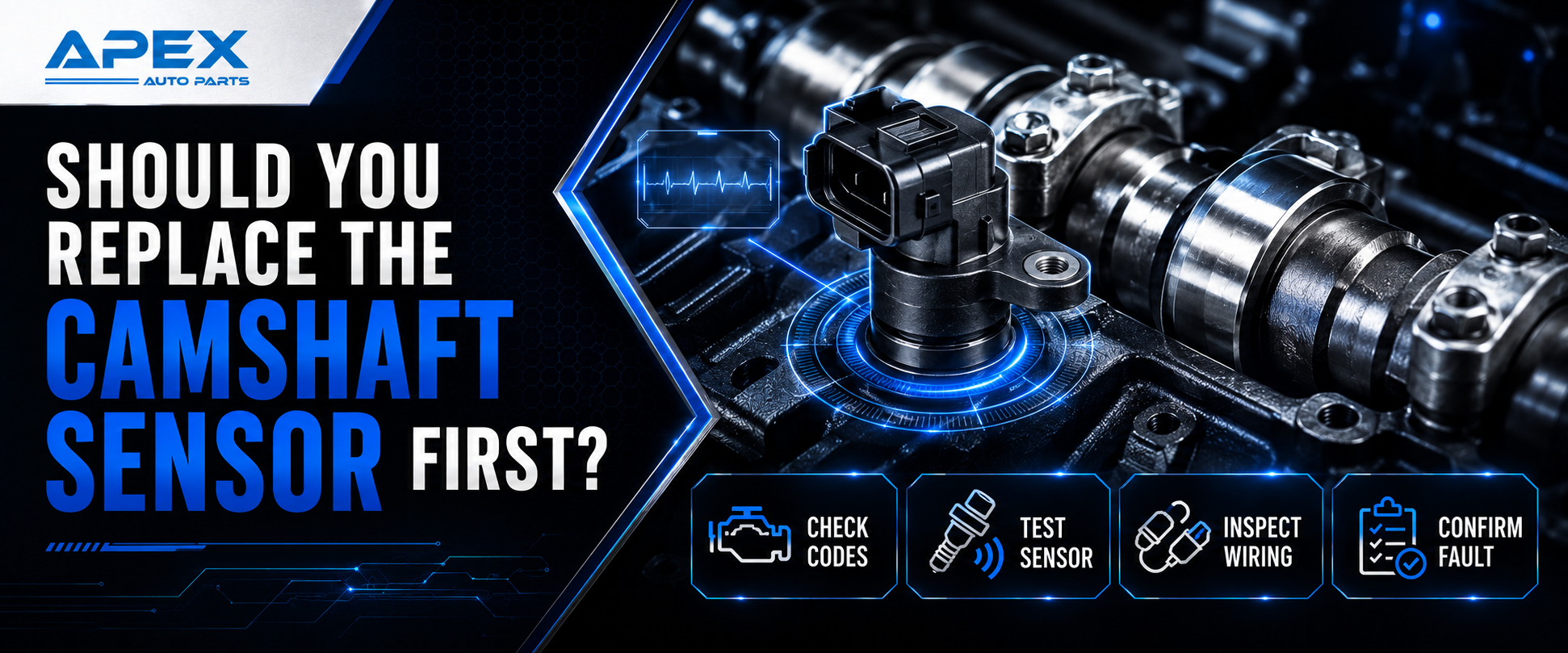
If the fault is only the sensor and testing confirms it, replacing the camshaft sensor may fix the issue. But guessing can waste money. Many drivers see a camshaft sensor fault code and replace the sensor straight away. Sometimes it works. Sometimes the fault comes back because the real problem is wiring, timing, oil control, or a stretched timing chain.
Before replacing the sensor, check for:
- Loose wiring plug
- Damaged sensor wiring
- Oil contamination inside the connector
- Timing chain or belt issues
- Dirty oil
- Faulty oil control solenoid
- Weak battery voltage
- Wrong sensor fitted before
If you are buying parts from Apex Auto Parts, always match the sensor to your vehicle details. Sensor shape can look similar, but the signal type and fitment may be different.
Petrol Camshaft vs Diesel Camshaft
Petrol and diesel camshafts both control the valves, but the engine demands can differ. Diesel engines usually run with higher compression and heavier loads. This means a diesel camshaft often has to work under strong pressure for long periods.
Diesel engines also rely heavily on clean oil. Old oil with soot and sludge can cause wear in the camshaft and valve train.
A petrol camshaft may be more focused on smooth revving and airflow. A diesel camshaft is often built around torque, durability, and strong low-speed performance.
Both need correct timing and proper oil flow. Both can fail if the engine is poorly maintained.
How to Protect Your Camshaft
The best way to protect the camshaft is to maintain the engine oil and timing system. Most camshaft wear does not happen overnight. It usually starts slowly.
Clean oil helps the camshaft, lifters, rocker arms, and valves move smoothly. The correct oil grade matters too. Oil that is too thick, too thin, or of low quality may not protect the parts properly.
You can help protect the camshaft by changing oil on time, using the right oil, checking oil level often, fixing oil leaks, and listening for unusual engine noise.
If your engine has a timing belt, follow the replacement interval. If it has a timing chain and starts rattling, get it checked. A timing fault can damage the camshaft system.
Choosing the Right Camshaft Parts
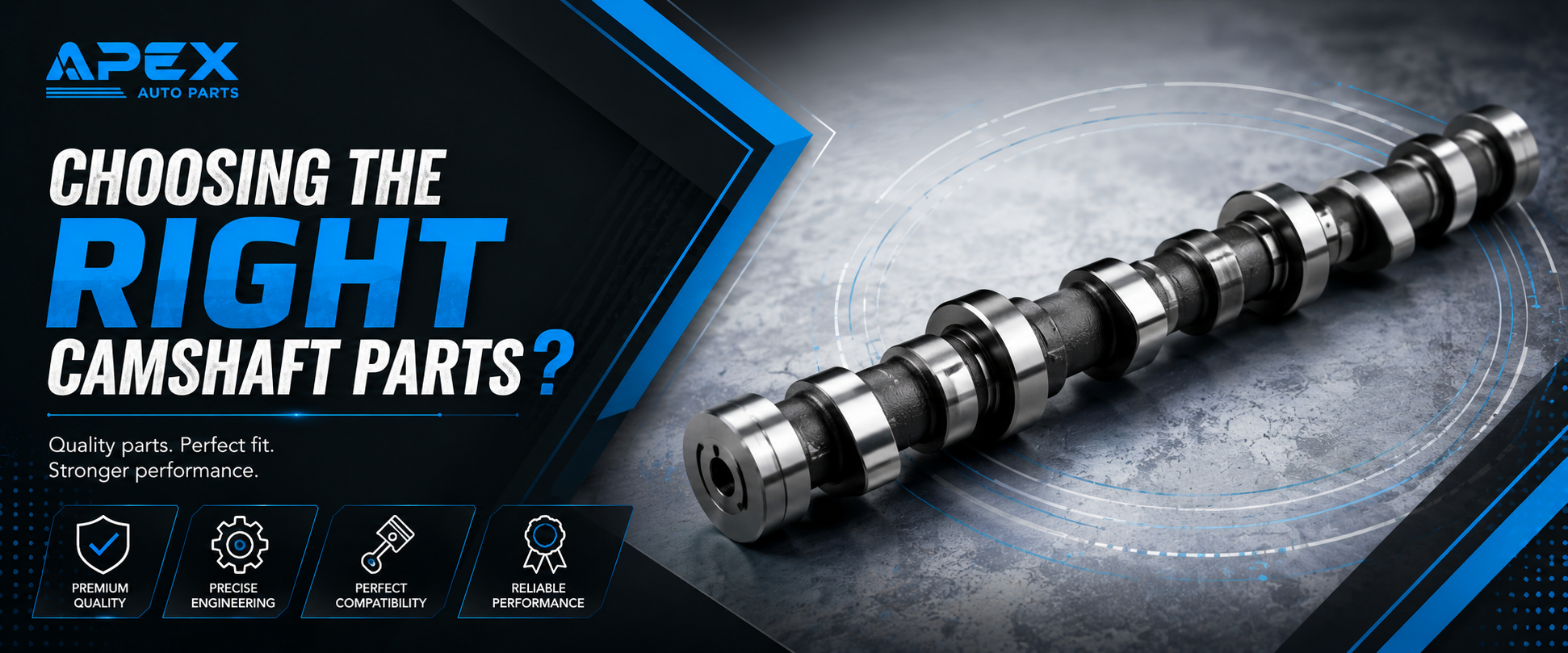
Choosing the right part matters because camshaft-related parts must match the engine exactly. The wrong sensor, camshaft, or timing part can cause poor running or no-start issues. Before buying, check the vehicle’s make, model, year, engine size, fuel type, and engine code. For BMW, Audi, Mercedes, VW, Ford, and other brands, the engine code is very important. For Apex Auto Parts customers, the goal is not just buying a part. The goal is to buy the correct part that fits properly and solves the problem.
When buying camshaft-related parts, check:
- Vehicle registration or VIN
- Engine code
- Fuel type
- Part number
- Sensor plug shape
- Timing system type
- Warranty
- Brand quality
- Fitment notes
A cheap part may save money for one day, but if it fails early or does not fit right, it can cost more later.
Final Thoughts
The Camshaft is one of the most important parts inside the engine. It controls valve movement and helps the engine breathe properly. If it works well, the engine can run smoothly, make good power, and burn fuel correctly. If the camshaft, timing system, or sensor fails, the engine may feel rough, weak, noisy, or hard to start. Common camshaft sensor symptoms include poor starting, stalling, rough idle, misfires, and warning lights.
If you are asking what a camshaft does, remember this simple answer. It opens and closes the valves at the right time so the engine can take in air and push exhaust gases out. Parts like the exhaust camshaft and diesel camshaft have their own roles, but they all depend on proper timing, clean oil, and high-quality components.
Apex Auto Parts helps drivers find the right engine parts. If your engine has camshaft-related problems, do not guess. Check the root cause, choose the correct part, and fix the issue before it becomes a bigger repair.
FAQs About Camshafts
1. What is a Camshaft in a car engine?
A Camshaft is a metal shaft inside the engine that controls the opening and closing of valves. These valves let air and fuel in and let exhaust gases out. It works with the crankshaft, timing belt, or timing chain to keep the engine running at the right time.
2. What does a camshaft do in simple words?
If you ask what a camshaft does, the simple answer is that it helps the engine breathe. It opens the intake valves to let air in and opens the exhaust valves to let burnt gases out. Without it, the engine cannot run properly.
3. What are common camshaft sensor symptoms?
Common camshaft sensor symptoms include hard starting, rough idle, stalling, poor acceleration, misfires, bad fuel economy, and an engine warning light. Some cars may crank but not start. A scan tool may show a camshaft position sensor fault code.
4. Can a bad camshaft sensor damage the engine?
A faulty camshaft position sensor usually does not damage the engine on its own, but it can cause poor timing, misfires, and rough running. If ignored, the engine may stall or fail to start. The real risk is driving with an unfixed timing or sensor-related fault.
5. What is an exhaust camshaft?
An exhaust camshaft controls the exhaust valves. These valves allow burnt gases to escape from the engine after the fuel has burned. If the exhaust camshaft is worn or out of time, the engine may lose power, run rough, produce higher emissions, or show timing fault codes.
6. Is a diesel camshaft different from a petrol camshaft?
A diesel camshaft does the same basic job as a petrol camshaft, but diesel engines often operate at higher compression and under heavier loads. This means the camshaft must handle strong pressure. Clean oil and proper servicing are very important for the life of the diesel camshaft.
7. What causes camshaft failure?
Camshaft failure can be caused by dirty oil, low oil pressure, poor lubrication, worn lifters, timing chain issues, overheating, or poor-quality parts. Lack of servicing is a common reason. When oil flow is poor, cam lobes can wear down, affecting valve movement.
8. Can you drive with a bad Camshaft?
You should not keep driving with a bad Camshaft if the engine is noisy, misfiring, or losing power. A worn camshaft can damage related parts and make the engine run worse. If there is a timing fault, driving can lead to serious engine damage.
9. How do mechanics test camshaft problems?
Mechanics test the camshaft by checking fault codes, sensor signals, timing data, oil condition, engine noise, and valve train components. They may inspect the cam lobes, lifters, rocker arms, or timing system. Good testing helps avoid replacing the wrong part.
10. Where can I buy camshaft parts online?
You can buy camshaft-related parts online from trusted parts suppliers like Apex Auto Parts. Before ordering, check your vehicle registration, engine code, fuel type, and part number. Correct fitment matters because camshaft position sensors and timing components can look similar but operate differently.