
 info@apexautoparts.co.uk
 +44 203 915 7535
 Safe & Fast Shipping
 Whish List
 Compare
 Sign In

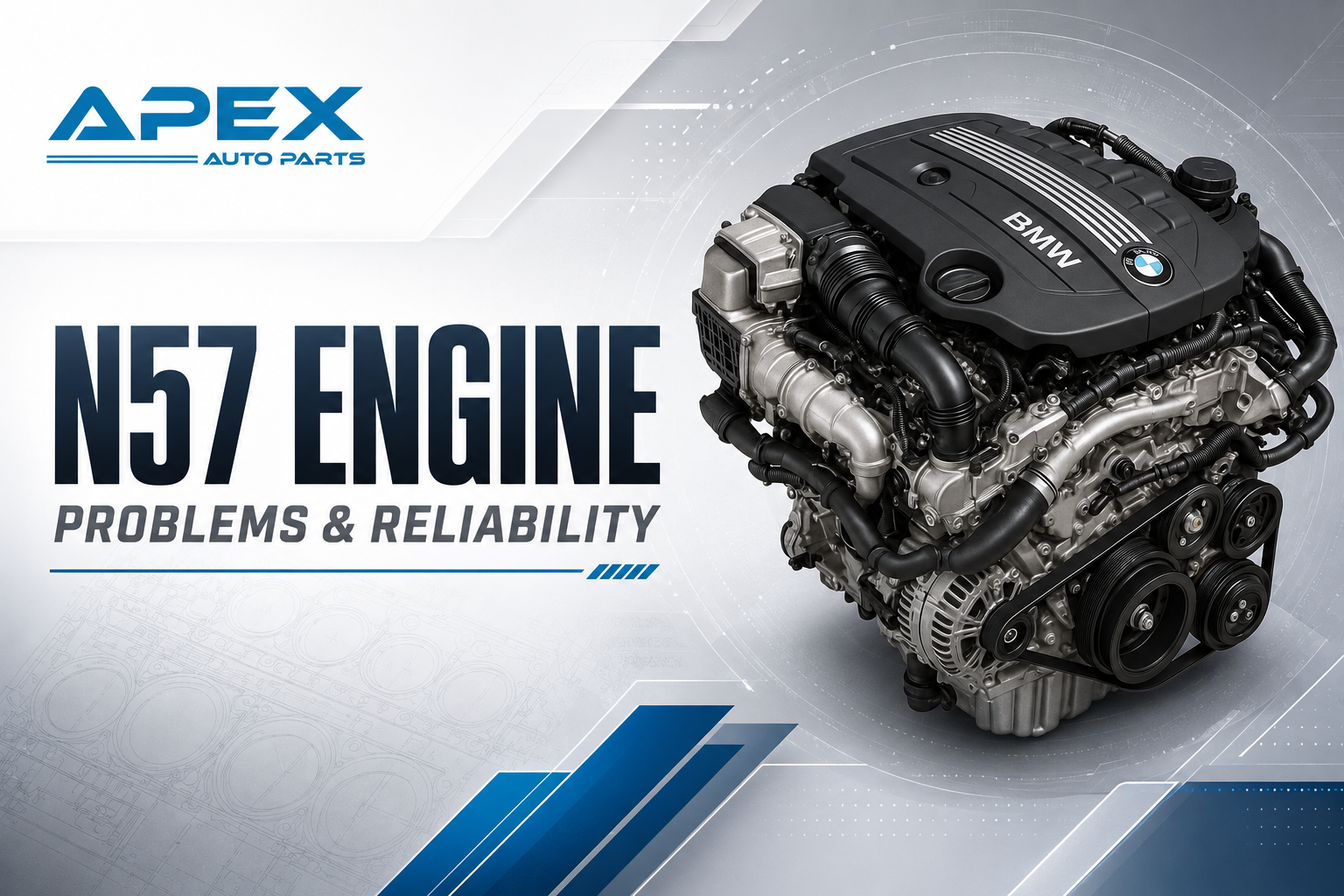
The N57 Engine is one of BMW’s most respected diesel engines. It is a 3.0-liter straight-six diesel engine used in many BMW models, including the 3 Series, 5 Series, 7 Series, X3, X5, X6, and other diesel models, depending on the year and market. Drivers like it because it delivers strong torque, smooth power, and good motorway fuel economy when it is properly looked after.
But like any diesel engine, the N57 Engine is not perfect. It has known weak points, some of which are small if caught early. Others can become very expensive if ignored. Many drivers search for BMW N57 engine problems because they want to know whether this engine is safe to buy, what can go wrong, and how to prevent big repair bills.
The honest answer is simple. The N57 diesel engine can be very good, but it needs proper maintenance. It does not like missed oil changes, ignored warning lights, blocked DPF systems, poor fuel quality, or cheap replacement parts. If the engine has a clean service history and has been properly repaired, it can handle high mileage. If neglected, it can become costly.
At Apex Auto Parts, many BMW drivers, garages, and trade buyers look for engine parts for diesel repair and rebuild work. For the N57 engine, correct fitment matters. A timing part, gasket, sensor, oil pump, bearing, water pump, or seal must match the exact engine code and vehicle details. Guessing parts on this engine can cause delays and repeat faults.
This guide explains N57 engine reliability, common BMW N57 engine problems, repair solutions, buying advice, and which BMW models have an N57 engine.
What Is the N57 Engine?
The N57 Engine is a BMW 3.0-liter straight-six diesel engine. It replaced the older M57 diesel engine in many BMW models. It was built to deliver greater pulling power, better fuel economy, and smoother driving than many smaller diesel engines.
A straight-six engine means all six cylinders are aligned in a straight line. This layout is one reason BMW six-cylinder engines are known for smooth running. The N57 diesel engine delivers strong torque at low engine speeds, making it feel easy to drive. You do not need to push it hard to feel power.
The engine came in different versions. Some used one turbo. Some used two turbos. Some high-output versions used more advanced turbo setups. This is why one N57 Engine may not be exactly the same as another. A 530d engine and a 535d engine may both be from the N57 family, but their turbo setups and power levels can differ.
That is also why part matching is important. Always check the vehicle model, year, engine code, power output, and part number before buying engine parts.
What BMW has an N57 engine?
Many drivers ask what BMW models have the N57 engine because it was used across many BMW diesel models. It was fitted to several cars and SUVs, mostly as 30d, 35d, 40d, and some M Performance diesel versions depending on the model year.
You may find the N57 Engine in models such as:
- BMW 330d
- BMW 335d
- BMW 430d
- BMW 435d
- BMW 530d
- BMW 535d
- BMW 630d
- BMW 640d
- BMW 730d
- BMW 740d
- BMW X3 30d
- BMW X3 35d
- BMW X5 30d
- BMW X5 40d
- BMW X6 30d
- BMW X6 40d
- Some BMW M Performance diesel models
This does not mean every car with these badges always has the same version. BMW changed engines by year and market. Some later models moved to the B57 engine. So, when checking that BMW has an N57 engine, do not rely only on the badge. Check the engine code.
A BMW 530d, for example, may have different engines depending on the year. The same is true for X5 and 7 Series models. The safest way is to check the VIN, engine code, and part number when ordering parts.
Is the N57 a good engine?
Many BMW buyers ask if the N57 is a good engine before buying a used diesel BMW. The answer is yes: the N57 Engine can be very good when maintained well. It is smooth, powerful, and fuel efficient for a large diesel engine.
It is especially good for drivers who do regular long journeys. Diesel engines like steady motorway driving because they reach proper temperature and the DPF can clean itself more easily. The N57 diesel engine is not best suited to short town trips only, because repeated cold running can cause DPF, EGR, and carbon-related issues.
The engine is strong, but it is not cheap to ignore. Repair costs can be high if timing chains, turbos, injectors, EGR parts, or DPF parts fail.
So, is the N57 a good engine? Yes, if:
- It has regular oil changes
- It has good service history
- It has no timing chain noise
- It has no heavy smoke
- It reaches proper temperature
- It has no repeated DPF faults
- It has no coolant loss
- It has no major oil leaks
- It has not been badly tuned
- It has been repaired with good parts
A well-cared-for N57 can be a strongly used BMW choice. A neglected one can be a risk.
N57 engine reliability explained
N57 engine reliability is usually good when the engine has been serviced correctly. Many owners like this engine because it delivers strong performance without the fuel consumption of a petrol V8. It can feel relaxed on long journeys and still pull hard when needed.
The engine itself has a strong base, but reliability depends heavily on maintenance. Diesel engines create soot. Turbo diesel engines also rely on clean oil, strong cooling, good fuel pressure, and healthy sensors. If these areas are ignored, problems can build up.
Good N57 engine reliability depends on:
- Clean oil
- Correct oil grade
- Fresh filters
- Healthy cooling system
- Good fuel quality
- Clean intake system
- Working EGR system
- Healthy DPF
- Proper turbo oil supply
- Correct parts during repair
Many problems blamed on the N57 Engine are caused by poor maintenance, bad repairs, cheap parts, or long service gaps. A diesel engine with full history is usually safer than one with missing records.
Common BMW N57 engine problems
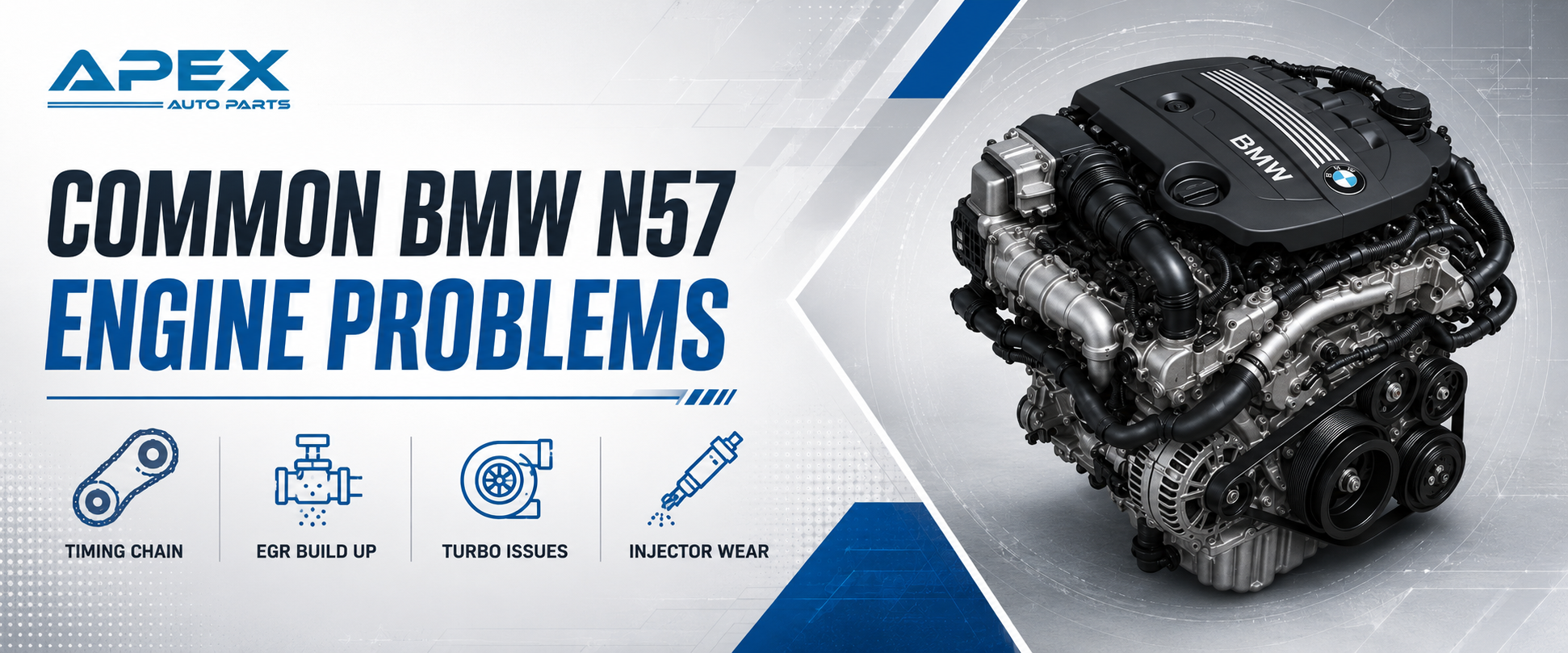
Common BMW N57 engine problems include timing chain wear, EGR cooler issues, DPF blockage, swirl flap problems, injector faults, turbo wear, oil leaks, coolant leaks, and intake carbon buildup. Some are more common at higher mileage. Others depend on driving style.
The most important thing is early diagnosis. A small leak, slight rattle, or occasional warning light can turn into a big bill if ignored.
Common BMW N57 engine problems drivers should know include:
- Timing chain noise
- EGR valve or EGR cooler faults
- DPF blockage
- Swirl flap wear
- Injector problems
- Turbo actuator or turbo wear
- Oil leaks
- Coolant leaks
- Glow plug faults
- Intake carbon buildup
- Thermostat failure
- Crankcase breather issues
Not every N57 Engine will suffer from all of these. But if you are buying or maintaining one, these are the areas to check before moving on to the specific faults.
Timing Chain Problems
Timing chain wear is one of the more serious BMW N57 engine problems. The timing chain keeps the crankshaft and camshaft working together. If the timing is off, the engine can run poorly or suffer internal damage.
A worn chain may create a rattling sound. It may be more noticeable at cold start, at idle, or in the rear of the engine depending on the layout. Some drivers ignore a light rattle because the car still drives. That is risky.
A failing timing chain can lead to:
- Poor running
- Engine rattle
- Hard starting
- Timing fault codes
- Low power
- Serious engine damage if chain jumps or fails
Timing chain repair on the N57 Engine can be labor-heavy because access is not always simple. This is why regular oil changes matter. Old oil can speed up chain and guide wear.
If you hear chain noise, get it checked early. Waiting can turn a repair into an engine replacement.
EGR and EGR Cooler Issues
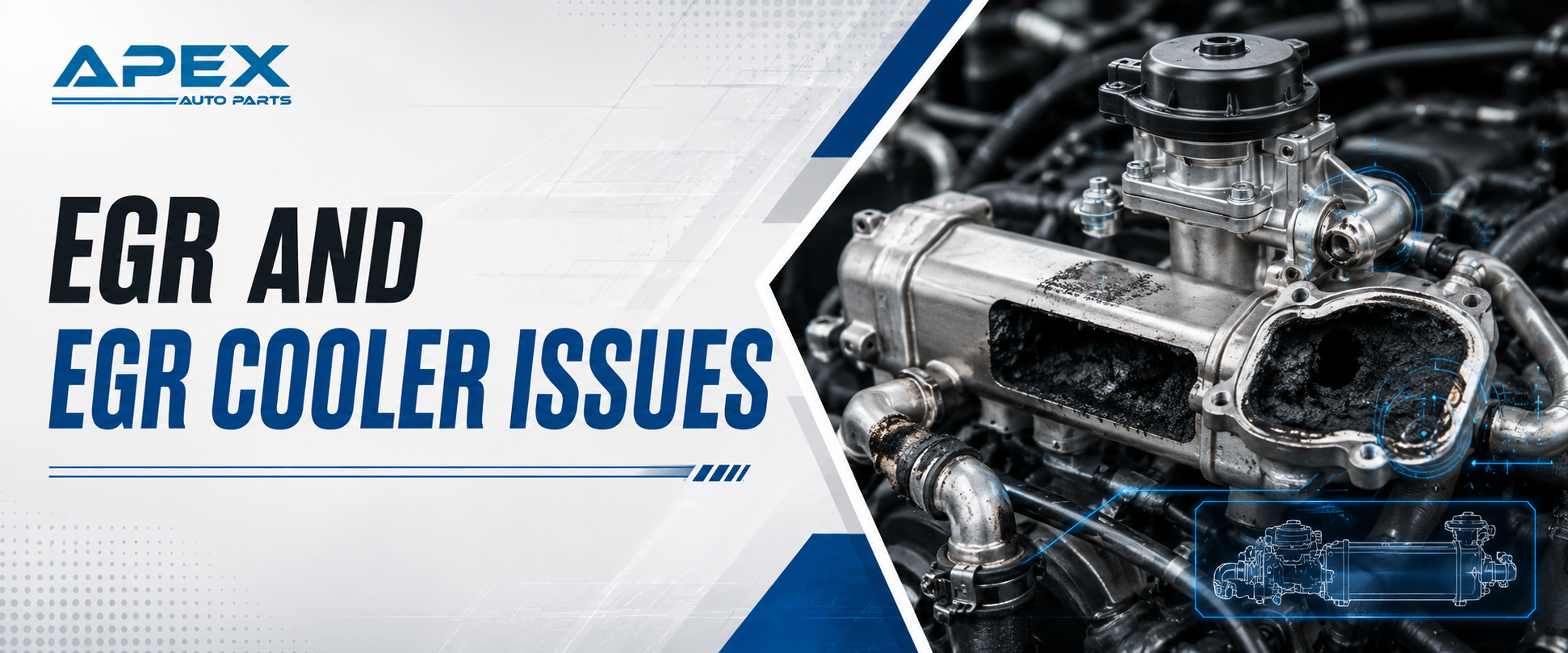
EGR faults are common in modern diesel engines. The EGR system sends some exhaust gas back into the intake to reduce emissions. Over time, soot can build up. The EGR valve can stick, and the cooler can develop problems.
On the N57 diesel engine, EGR issues can cause rough running, smoke, poor power, warning lights, and coolant loss if the cooler is affected.
Signs of EGR trouble include:
- Engine management light
- Rough idle
- Smoke
- Poor fuel economy
- Low power
- Coolant loss
- Intake soot buildup
EGR issues should not be ignored. If the cooler leaks or fails, it can cause bigger problems. Always check recall history and repair history when buying a used BMW diesel.
DPF Blockage
The DPF traps soot from the exhaust. It needs heat to burn that soot away. This process is called regeneration. The N57 Engine can handle long journeys well, but short trips can cause DPF problems because the exhaust may not reach the required temperature.
A blocked DPF can cause warning lights, limp mode, poor fuel economy, and reduced power. Some drivers keep clearing faults without fixing the cause. That does not solve the problem.
DPF issues may be caused by:
- Short journeys
- Faulty thermostat
- Bad glow plugs
- Injector faults
- EGR faults
- Boost leaks
- Engine not reaching temperature
- Using the wrong oil
A DPF problem is often a symptom, not the root cause. A mechanic should check why the DPF is not regenerating properly.
Swirl Flap Problems
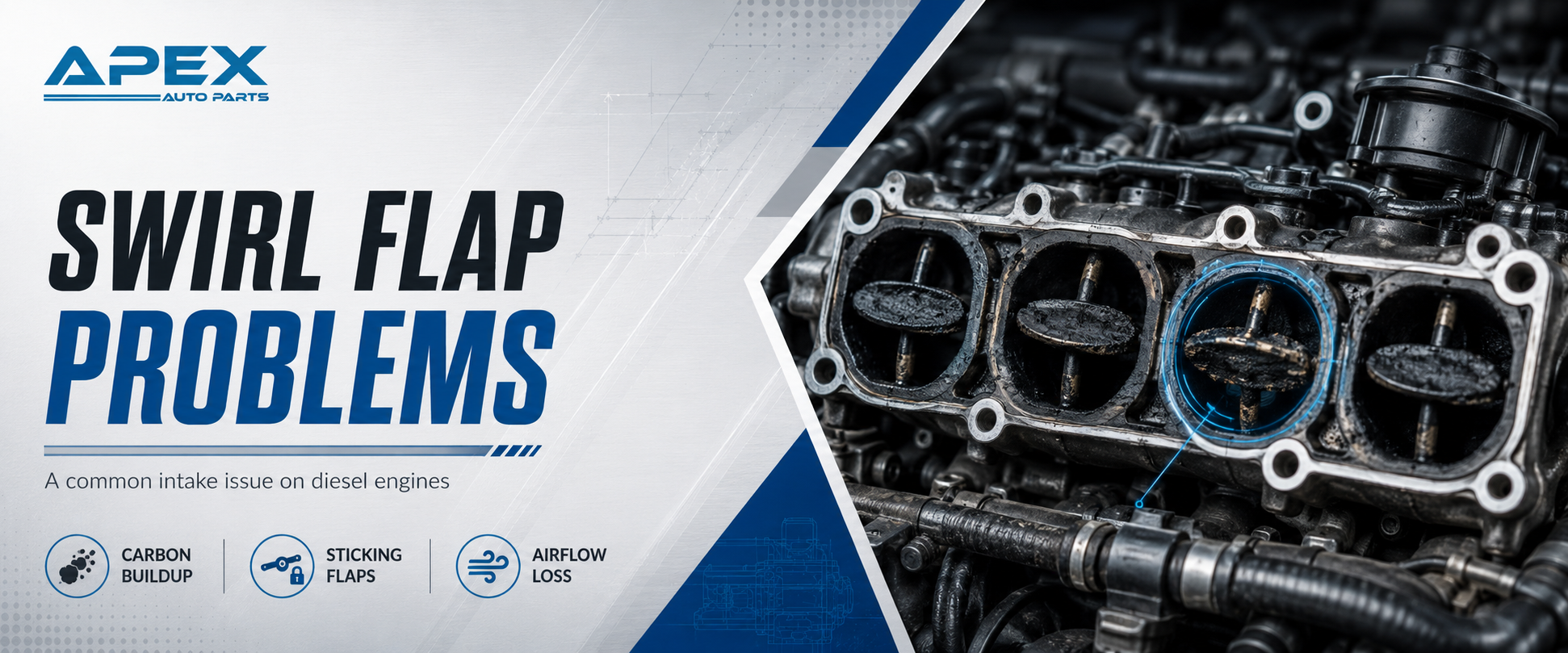
Swirl flaps help control airflow inside the intake. They can improve low-speed running and emissions. But over time, they can wear, stick, or become covered in carbon.
In some diesel engines, swirl flap issues can cause poor running, fault codes, smoke, and intake problems. If flaps become loose or damaged, repair is needed quickly.
Signs can include:
- Rough idle
- Poor low speed response
- Engine warning light
- Intake fault codes
- Smoke
- Reduced power
If the intake manifold is being removed for other work, it is wise to inspect swirl flaps, carbon buildup, and related seals.
Injector Problems
Injectors spray diesel fuel into the cylinder. The spray pattern must be correct. If an injector is worn, leaking, or blocked, the engine may smoke, knock, misfire, or run rough.
Injector problems can also damage pistons and DPF systems if left unaddressed. A faulty injector can over fuel a cylinder, creating heat and carbon buildup.
Common injector fault signs include:
- Diesel knock
- Rough idle
- Hard starting
- Smoke
- Poor fuel economy
- Engine warning light
- Misfire-like running
- Fuel smell
Injectors should be tested properly. Replacing one part without testing can waste money. A diesel specialist can check correction values, leak-off levels, and spray quality where needed.
Turbo Problems and BMW N57 Twin Turbo Engine Issues
Some versions of the N57 use a single turbo. Higher output models use more than one turbo. The BMW N57 twin-turbo engine delivers strong power and fast response, but it also has more parts that can wear out.
The BMW N57 twin-turbo engine may be found in performance diesel models such as the 35d or 40d, depending on the year and model. It can pull hard and feel very quick for a diesel, but turbo health is very important.
Turbo problems can include actuator failure, boost leaks, worn seals, oil line issues, and bearing wear. Symptoms may include whining sounds, smoke, low power, limp mode, or boost fault codes.
To protect the turbos:
- Use correct oil
- Change oil on time
- Let the engine warm before hard driving
- Fix boost leaks early
- Check oil feed and return lines
- Do not ignore smoke
- Avoid poor quality tuning
A tuned BMW N57 twin turbo engine can be powerful, but tuning increases stress. Make sure cooling, fuel system, and engine condition are healthy before adding power.
Oil Leaks and Coolant Leaks
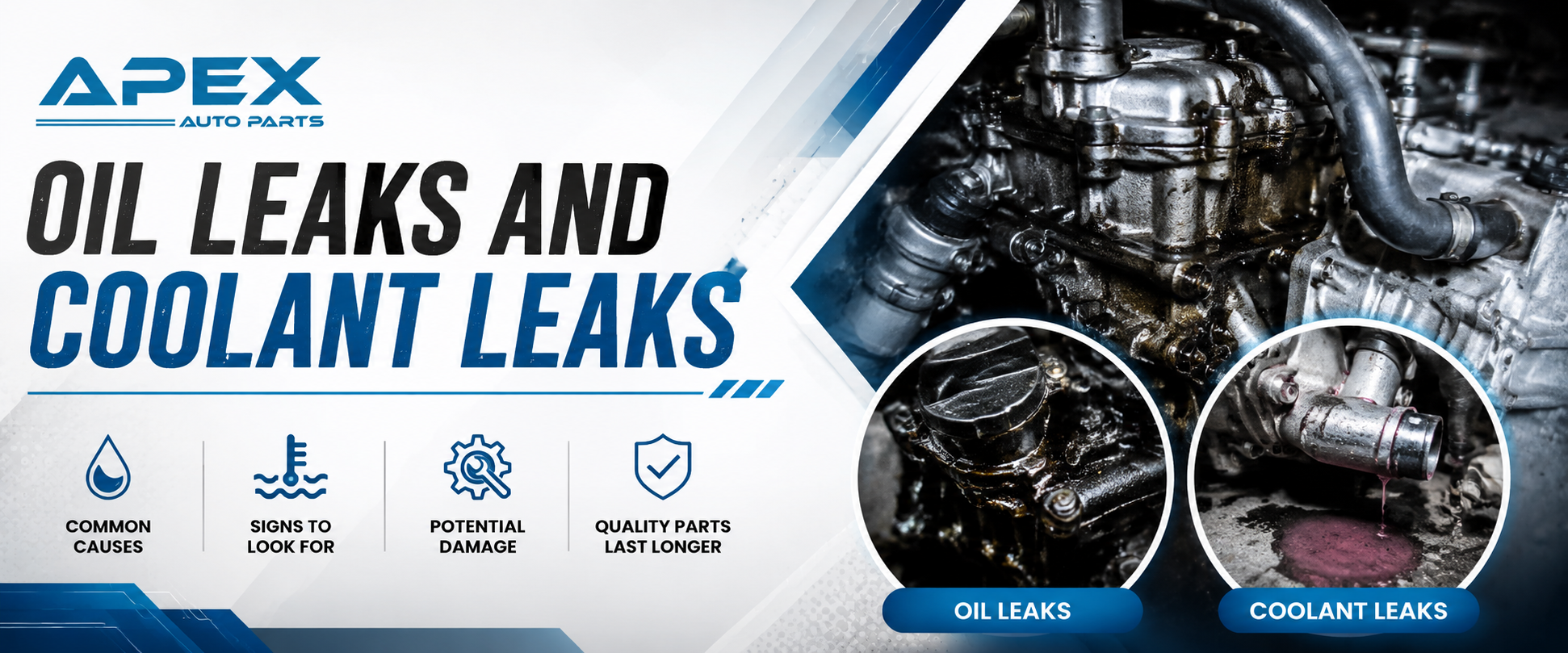
Oil leaks are common on many older BMW engines, and the N57 Engine is no different. Gaskets, seals, breather systems, and oil filter housing areas can leak as the engine ages.
Small oil leaks should still be fixed. Oil can drip onto hot parts, damage rubber parts, create smells, and lower the oil level.
Coolant leaks are also important. Diesel engines can suffer serious damage if overheated. A small coolant leak can become a big issue if the driver keeps topping up without finding the cause.
Watch for:
- Oil smell
- Oil spots under the car
- Low oil level
- Coolant level dropping
- Sweet coolant smell
- White residue near coolant parts
- Engine temperature changes
Leaks are often cheaper to fix early than after they damage other parts.
Glow Plug and Glow Plug Module Faults
Glow plugs help diesel engines start when cold. The glow plug control module manages them. If these parts fail, the engine may be hard to start in cold weather. DPF regeneration can also be affected on some diesel systems.
Signs include:
- Hard cold start
- Rough running after start
- Glow plug fault codes
- DPF regeneration issues
- Engine warning light
Glow plugs can seize if left too long, so replacement should be done carefully. It is often best to let a mechanic handle the job, especially on older engines.
Carbon Buildup in the Intake
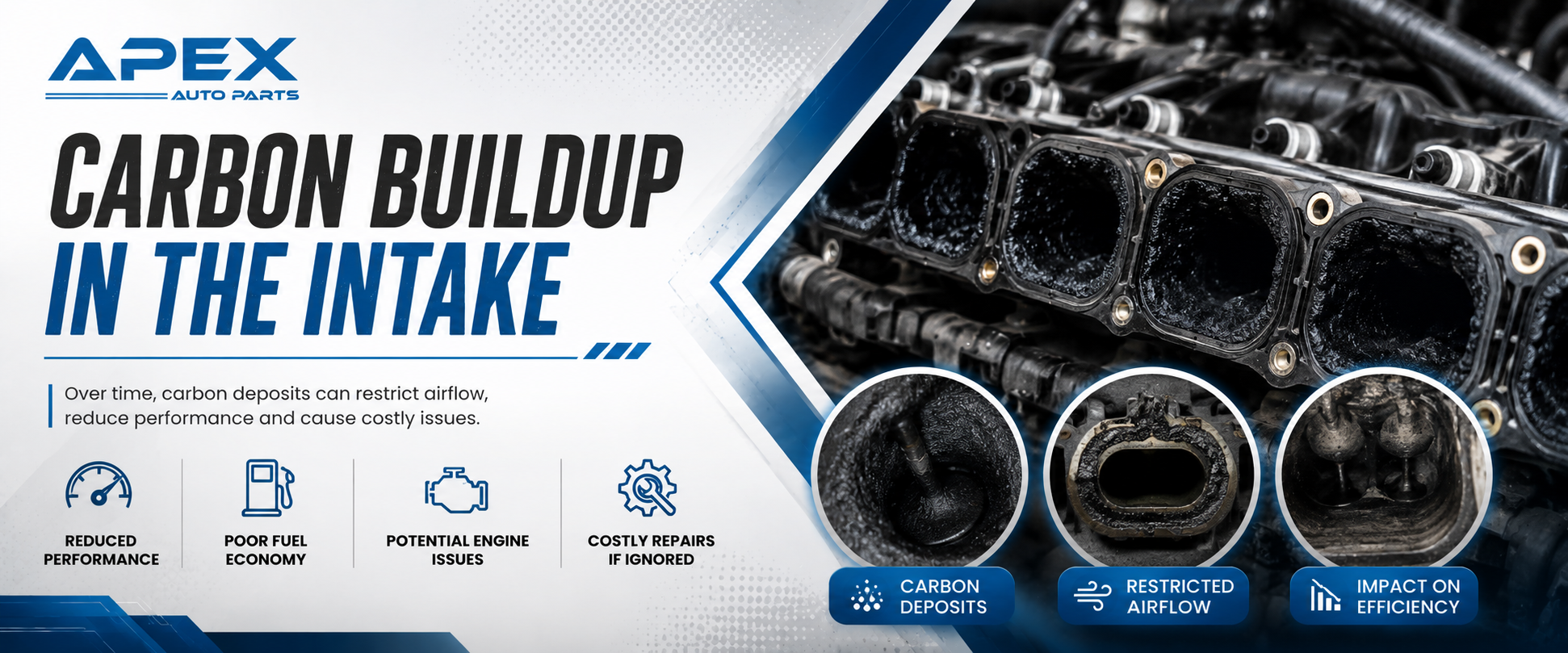
Diesel engines can develop carbon buildup in the intake system. EGR soot and oil vapor can mix, creating sticky deposits. Over time, airflow can be reduced.
This can affect performance, fuel economy, and smooth running. Carbon buildup is more likely on cars used for short trips or neglected service.
Signs include:
- Low power
- Rough idle
- Smoke
- Poor throttle response
- Intake-related fault codes
- Higher fuel use
Cleaning the intake may help, but the cause should also be checked. EGR, breather systems, and driving style all matter.
Fuel Efficiency of the N57 Engine
The N57 Engine is known for good fuel economy relative to its power output. It can be very efficient on long motorway journeys. In a large BMW, that is one of the main reasons drivers like it.
Fuel use depends on the model. A 330d may be more efficient than an X5 40d because it is lighter. Driving style also matters. If you use the torque gently, the engine can be economical. If you drive hard, fuel use will rise.
Poor fuel economy can point to problems such as:
- Thermostat stuck open
- DPF blockage
- EGR fault
- Injector issues
- Boost leak
- Dirty air filter
- Poor tire pressure
- Bad sensor
- Poor remap
If fuel consumption suddenly worsens, do not ignore it. The engine may be telling you something is wrong.
Should You Buy a Used BMW With the N57 Engine?
A used BMW with the N57 Engine can be a great buy if it has been maintained properly. It is smooth, strong, and good for long-distance driving. But you should inspect carefully before buying.
Before buying, check:
- Full service history
- Oil change intervals
- Timing chain noise
- DPF warning history
- EGR recall or repair history
- Turbo condition
- Smoke from exhaust
- Coolant level
- Oil leaks
- Injector noise
- Gearbox service history if automatic
- Signs of poor tuning
Take a proper test drive. Let the car start from cold. Listen carefully. Watch for smoke. Make sure the engine reaches temperature. Check if power delivery is smooth.
A cheap N57 BMW with poor history can cost more than a well-maintained one with a higher price.
How to Improve N57 Engine Reliability?
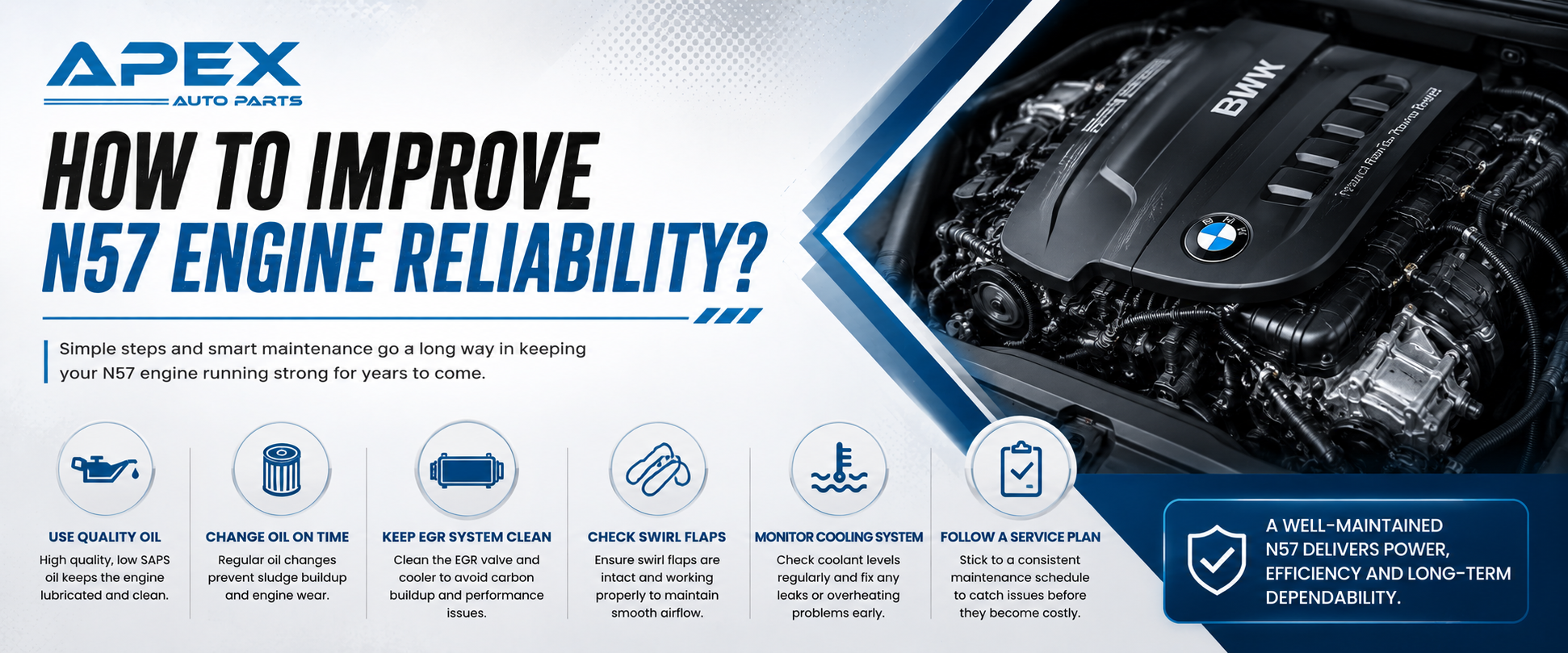
You can improve the reliability of the N57 engine with simple care. The biggest rule is regular oil changes. Do not stretch oil service too far. This engine depends on clean oil for the timing chain, turbo, bearings, and general wear protection.
Use the correct oil grade and good filters. Keep the cooling system healthy. Fix leaks early. Let the engine warm before heavy throttle. Give the car proper longer drives if it is a diesel with DPF.
Helpful maintenance habits include:
- Change oil earlier than long service intervals
- Use correct BMW-approved oil
- Replace air and fuel filters on time
- Check coolant level often
- Fix oil leaks early
- Check timing chain noise
- Keep EGR and DPF faults under control
- Use quality diesel fuel
- Avoid poor tuning
- Use correct engine parts
Good maintenance costs money, but bad maintenance costs much more.
Choosing Parts for the N57 Engine
The N57 Engine has different versions, and parts can vary. A gasket, sensor, timing kit, injector, turbo hose, bearing, piston, water pump, or oil pump must match the exact engine.
When buying parts, check:
- BMW model
- Year
- Engine code
- Fuel type
- Power output
- Part number
- VIN if possible
- Turbo setup
- Kit contents
Apex Auto Parts supports UK drivers, garages, mechanics, and trade buyers with engine parts for repair and rebuild work. For the N57 diesel engine, fitment support is important because many parts look similar but do not fit the same engine version.
The right part saves time. The wrong part can delay the repair and create extra labor.
Final Thoughts
The N57 Engine is a strong and smooth BMW diesel engine. It offers good power, strong torque, and solid fuel economy when maintained well. For many drivers, it is one of BMW’s better diesel engines.
But it is not a trouble-free engine. Common BMW N57 engine problems include timing chain wear, EGR faults, DPF blockage, swirl flap issues, injector faults, turbo problems, oil leaks, coolant leaks, glow plug faults, and carbon buildup.
If you are asking if the N57 is a good engine, the answer is yes, but only with good maintenance. If you are asking which BMW models have an N57 engine, it appears in many 30d, 35d, 40d, and M Performance diesel models, depending on the year and market.
The BMW N57 twin-turbo engine can be very strong, but it requires extra care because more turbo components mean more heat and greater load.
For best N57 engine reliability, service it properly, use quality parts, fix faults early, and avoid buying one with poor history. A well-cared-for N57 can be a strong engine. A neglected one can become expensive very quickly.
FAQs About the N57 Engine
1. Is the N57 Engine reliable?
The N57 Engine can be reliable when serviced properly. Good oil changes, clean filters, healthy cooling, working EGR and DPF systems, and early repairs matter. Poor maintenance can lead to timing chain wear, turbo issues, injector faults, and costly diesel engine repairs.
2. What are common BMW N57 engine problems?
Common BMW N57 engine problems include timing chain wear, EGR cooler issues, DPF blockage, swirl flap faults, injector problems, turbo wear, oil leaks, coolant leaks, glow plug faults, and carbon buildup. Not every engine has these issues, but buyers should check them carefully.
3. Is the N57 diesel engine good for high mileage?
The N57 diesel engine can be good for high mileage if it has a full service history and has been used mainly for longer journeys. Diesel engines do not like constant short trips. Check timing chain noise, DPF health, injector condition, turbo performance, oil leaks, and coolant loss.
4. What BMW has an N57 engine?
What BMW has an N57 engine? It was used in many BMW diesel models, including versions of the 330d, 335d, 430d, 435d, 530d, 535d, 630d, 640d, 730d, 740d, X3, X5, and X6, depending on year, market, and engine version.
5. Is the N57 a good engine?
Is the N57 a good engine? Yes, it can be a very good engine. It is smooth, powerful, and efficient for a 3.0 liter diesel. The main condition is maintenance. A well-serviced N57 is strong, but a neglected one can become expensive.
6. What is the BMW N57 twin turbo engine?
The BMW N57 twin-turbo engine is a higher-output version of the N57 diesel, using two turbos for stronger power and quicker response. It is often found in 35d- and 40d-type models, depending on the year and market. Turbo health and oil care are very important.
7. Does the N57 Engine have timing chain problems?
Yes, the N57 Engine can suffer timing chain wear, especially if oil changes are missed or the car has high mileage. A rattling sound, timing fault codes, or poor running should be checked quickly. Timing chain failure can cause serious engine damage.
8. Can DPF problems affect N57 engine reliability?
Yes, DPF problems can affect the reliability of the N57 engine. A blocked DPF can cause limp mode, reduced power, increased fuel consumption, and warning lights. Short trips, faulty thermostats, EGR faults, glow plug issues, and injector problems can all stop proper DPF regeneration.
9. Is the N57 Engine better than the M57?
The N57 Engine is newer, smoother, and more efficient than the M57, but it is also more complex. The M57 is often seen as tougher and simpler. The better choice depends on condition, service history, emissions system health, and how the car has been used.
10. How can I improve N57 engine reliability?
To improve N57 engine reliability, change oil on time, use the correct oil, replace filters, fix leaks early, check timing chain noise, keep the cooling system healthy, avoid poor tuning, and repair EGR, DPF, injector, or turbo faults before they become serious.