
 info@apexautoparts.co.uk
 +44 203 915 7535
 Safe & Fast Shipping
 Whish List
 Compare
 Sign In

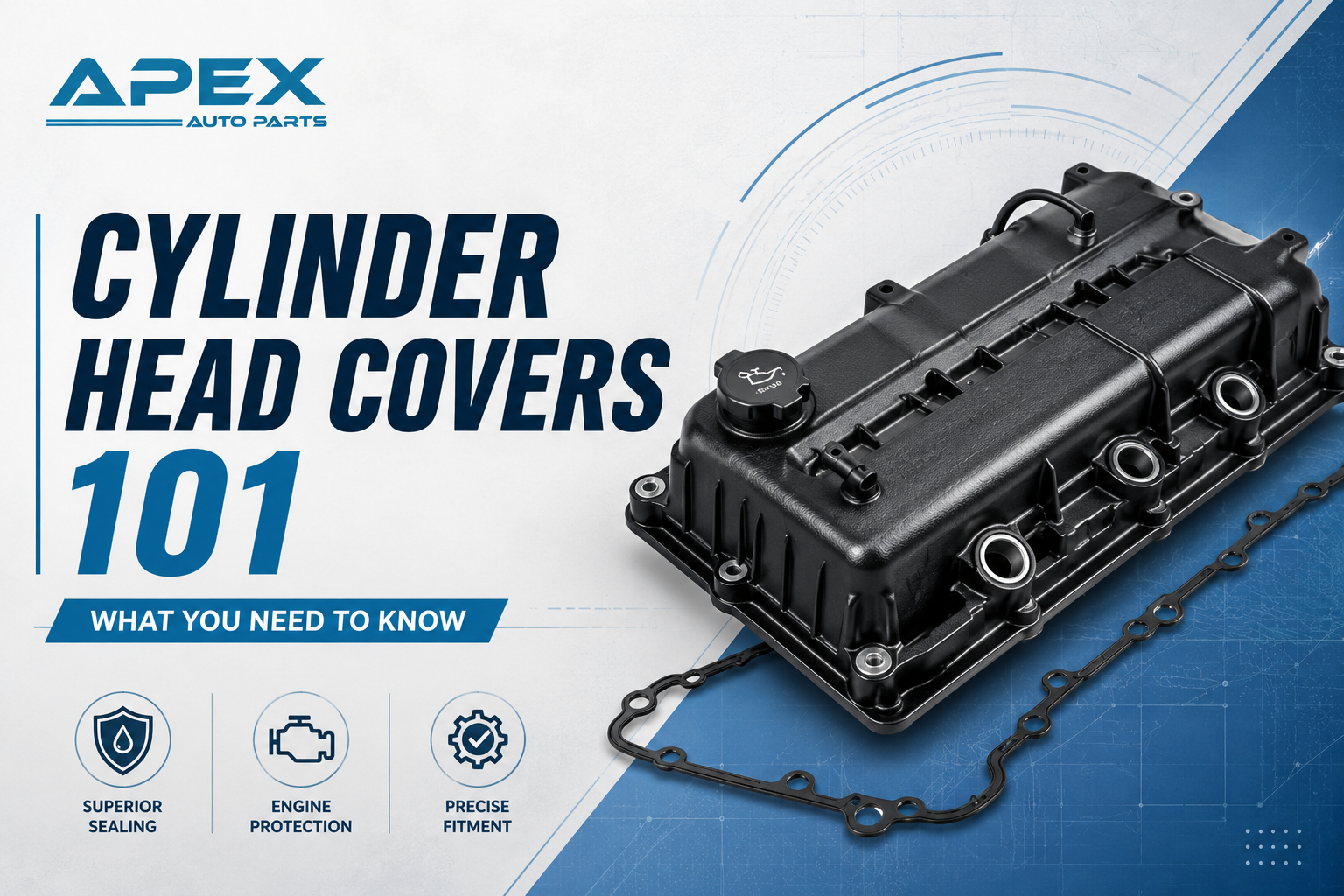
Many drivers do not think about the cylinder head cover until they see oil on the engine, smell burning oil, or notice smoke coming from under the bonnet. It may look like a simple cover, but it plays a crucial role in keeping the top of the engine clean, sealed, and protected.
A cylinder head cover sits on top of the engine cylinder head. It covers the valve train area, where components such as camshafts, valves, lifters, and rocker arms may be located, depending on the engine design. This area needs oil to move smoothly. The cover helps keep that oil inside the engine and keeps dirt, dust, and moisture out.
If the cover or gasket fails, oil can leak. At first, it may only be a small wet patch around the engine. Later, it can turn into a burning smell, smoke, a low oil level, misfires, or even damage to nearby parts.
The cylinder head cover gasket is usually the part that seals the cover to the cylinder head. When this gasket gets hard, flat, cracked, or weak, oil can escape. Some covers are plastic and can also warp or crack with heat and age. That means the cover itself may need to be replaced, not just the gasket.
This guide explains what a cylinder head cover does, why the gasket matters, common signs of leaks, when a cylinder head cover replacement is needed, and why choosing the right cylinder head cover assembly matters.
Apex Auto Parts helps UK drivers find suitable car engine parts online. When dealing with sealing parts, correct fitment and quality are very important. A cheap or wrong part can leak again and cost more in the long run.
What is a cylinder head cover?
A cylinder head cover is the cover fitted on top of the engine cylinder head. Some people also call it a rocker cover or valve cover, depending on the vehicle and engine type.
Its main job is to protect the moving parts at the top of the engine. These parts need oil to move smoothly. The cover keeps that oil inside and stops dirt from getting in.
Inside this area, you may find parts such as:
- Camshafts
- Valves
- Valve springs
- Lifters
- Rocker arms
- Timing parts on some engines
- Oil passages
- Breather parts on some covers
The cylinder head cover may look simple from the outside, but it must seal properly. The top of the engine gets hot. Oil splashes around inside. Engine pressure changes as the car runs. The cover and gasket have to handle all of this every time you drive.
If the cover does not seal well, oil can leak out. If dirt gets in, it can harm internal parts. If the breather system inside the cover fails, the engine may also run badly or use more oil.
What Does a Cylinder Head Cover Do?
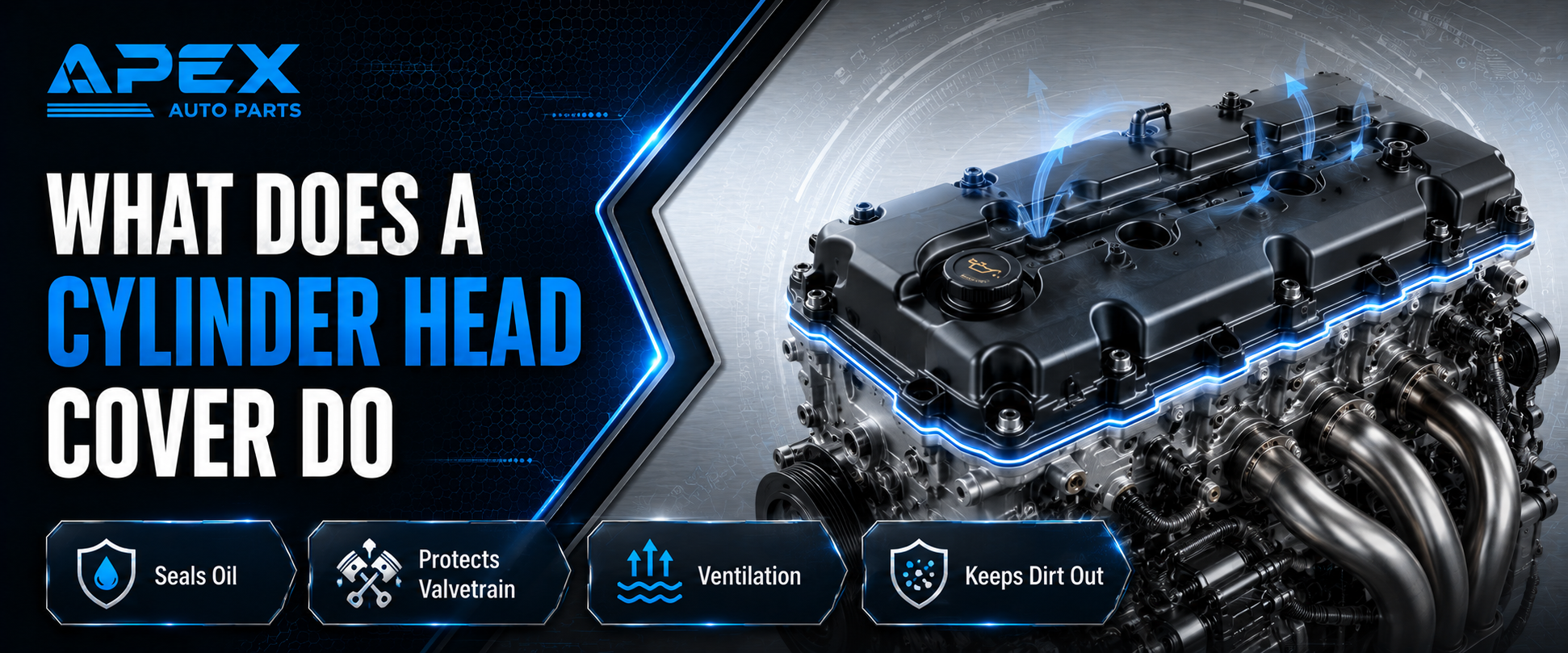
The cylinder head cover has more than one job. It is not only there to make the engine look tidy.
It helps with:
- Keeping engine oil inside the valve train area
- Protecting moving parts from dirt and dust
- Helping control crankcase breathing on many engines
- Supporting seals and breather parts
- Reducing oil splash outside the engine
- Keeping moisture away from internal engine parts
- Helping the top of the engine stay sealed
When the engine is running, oil circulates around the top of the cylinder head. Without a cover, oil would spray everywhere. The cover keeps the oil controlled and allows it to drain back into the engine.
Many modern covers also include extra parts. Some have a built-in breather system. Some have a PCV valve. Some have oil separator sections. This is why a modern cylinder head cover assembly can be more than just a plain cover.
Why the cylinder head cover gasket Matters?
The cylinder head cover gasket is the seal between the cylinder head and the cover. It stops oil from leaking out where the two parts meet.
This gasket is usually made from rubber or a rubber-like material. Over time, it can become hard because of the heat. It can also flatten from pressure. Once it loses its shape, it may no longer seal properly.
A bad cylinder head cover gasket can cause:
- Oil leaks around the top of the engine
- Burning oil smell
- Smoke from oil dripping on hot parts
- Oil on spark plugs in some engines
- Rough running
- Low oil level over time
- Dirty engine bay
- MOT concerns if the leak is heavy
A small gasket leak may not seem urgent at first, but oil leaks often get worse. Oil can drip onto the exhaust manifold, belts, hoses, sensors, or wiring. That can create extra problems.
Common Signs of a Bad Cylinder Head Cover Gasket
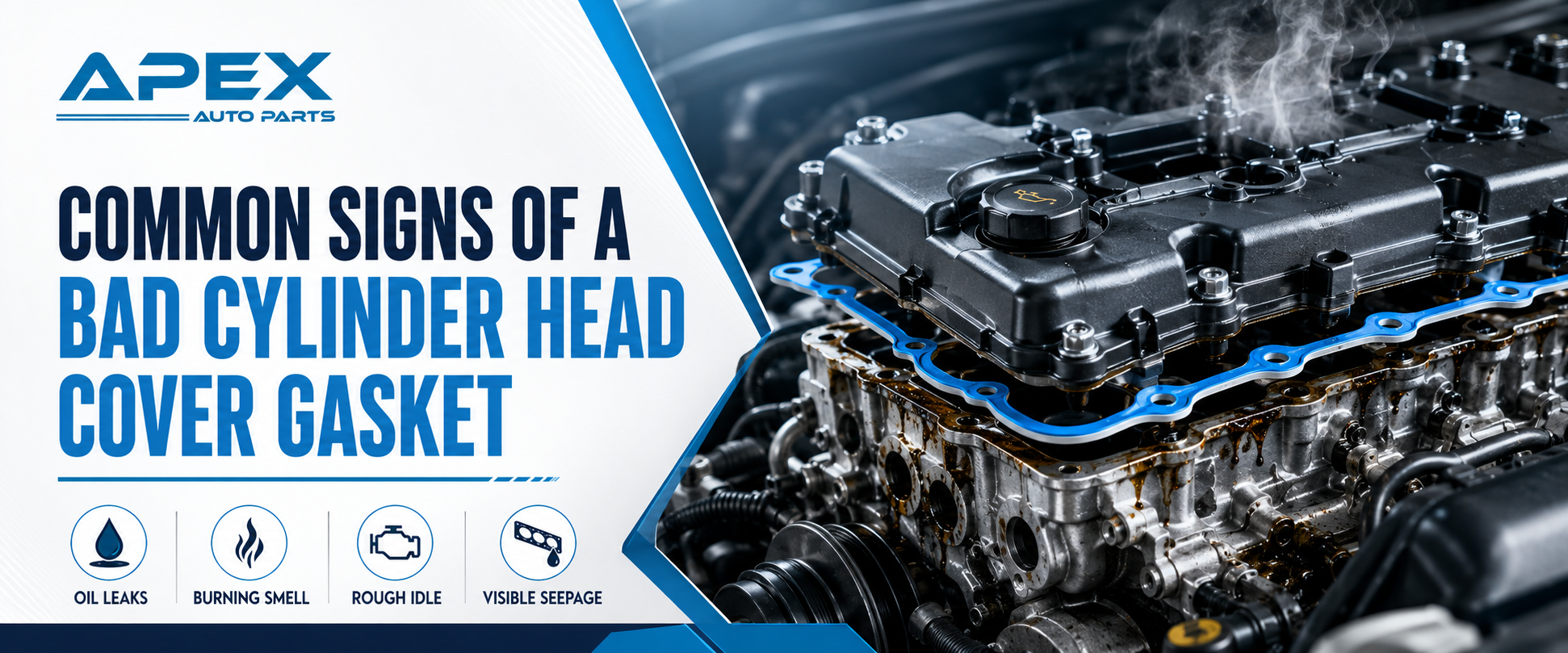
A failed cylinder head cover gasket usually gives warning signs. Some are easy to spot. Others need a closer look.
Common signs include:
- Oil around the top edge of the engine
- Wet or greasy marks near the cover
- Burning oil smell after driving
- Smoke from the engine bay
- Oil dripping down the engine block
- Oil in spark plug wells
- Engine misfire
- Low oil level
- Dirty oil marks near the exhaust side
- Oil stains on the driveway
- Poor engine smell inside or outside the car
If you smell burning oil, do not ignore it. The leak may be dripping onto hot exhaust parts. This can create smoke and a strong smell. It may not always mean danger right away, but it should be checked soon.
If oil gets into spark plug wells, the car may misfire. This can cause the engine to shake, lose power, or trigger the engine warning light.
Why do Cylinder Head Covers Start Leaking?
A cylinder head cover can leak for several reasons. The gasket is often the main cause, but not always.
Common causes include:
- Old gasket material
- Heat damage
- Cover warping
- Cracked plastic cover
- Poor fitting
- Loose bolts
- Over-tightened bolts
- Dirty sealing surface
- Blocked breather system
- High crankcase pressure
- Wrong gasket used
- Low-quality replacement part
- Previous repair not done properly
Heat is one of the biggest causes. The engine top gets hot every time you drive. Over the years, rubber gaskets can become hard and brittle. Plastic covers can also become weak.
If the cover is warped, fitting a new cylinder head cover gasket may not solve the leak. The gasket may seal for a short time, then oil starts leaking again. This is why the cover should be checked before replacing only the gasket.
What is a cylinder head cover assembly?
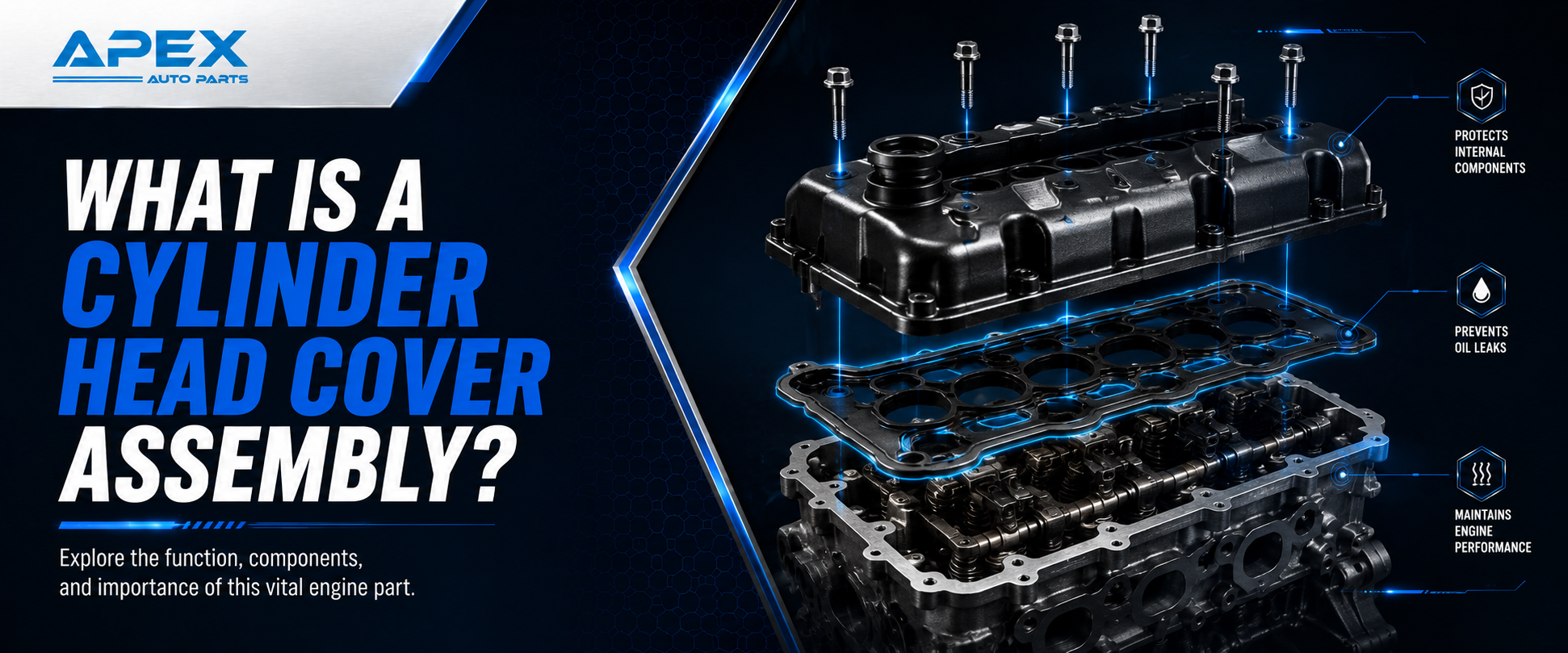
A cylinder head cover assembly usually means the full cover unit. Depending on the vehicle, it may include the cover, gasket, breather parts, PCV valve, oil separator, seals, bolts, or other fitted parts.
Not every car uses the same design. Older engines may have a simple metal cover with a separate gasket. Newer engines often use plastic covers with built-in systems.
A cylinder head cover assembly may include:
- Cylinder head cover
- Main gasket
- Spark plug tube seals
- PCV valve
- Breather valve
- Oil separator
- Bolt seals
- Rubber grommets
- Built-in oil channels
This matters because sometimes the gasket is not the only failed part. If the PCV system inside the cover is bad, replacing the gasket alone may not fix the problem. If the plastic cover is cracked or warped, it can leak again.
When do you need a cylinder head cover replacement?
Cylinder head cover replacement may be needed when the cover itself is damaged or when the built-in parts have failed.
You may need a replacement if:
- The cover is cracked
- The cover is warped
- The gasket has been replaced before, but it still leaks
- The PCV valve built into the cover has failed
- The breather system is blocked
- Oil separator parts are not working
- Spark plug tube seals are part of the cover and are leaking
- The cover bolt holes are damaged
- The cover is old and brittle
- The engine has heavy oil leaks from the top
If only the gasket is bad and the cover is still straight and healthy, a gasket replacement may be enough. But if the cover is weak, cracked, or warped, it is better to replace the cover or the full assembly.
A good mechanic should inspect the cover before making a decision.
Cylinder Head Cover Replacement vs Gasket Replacement
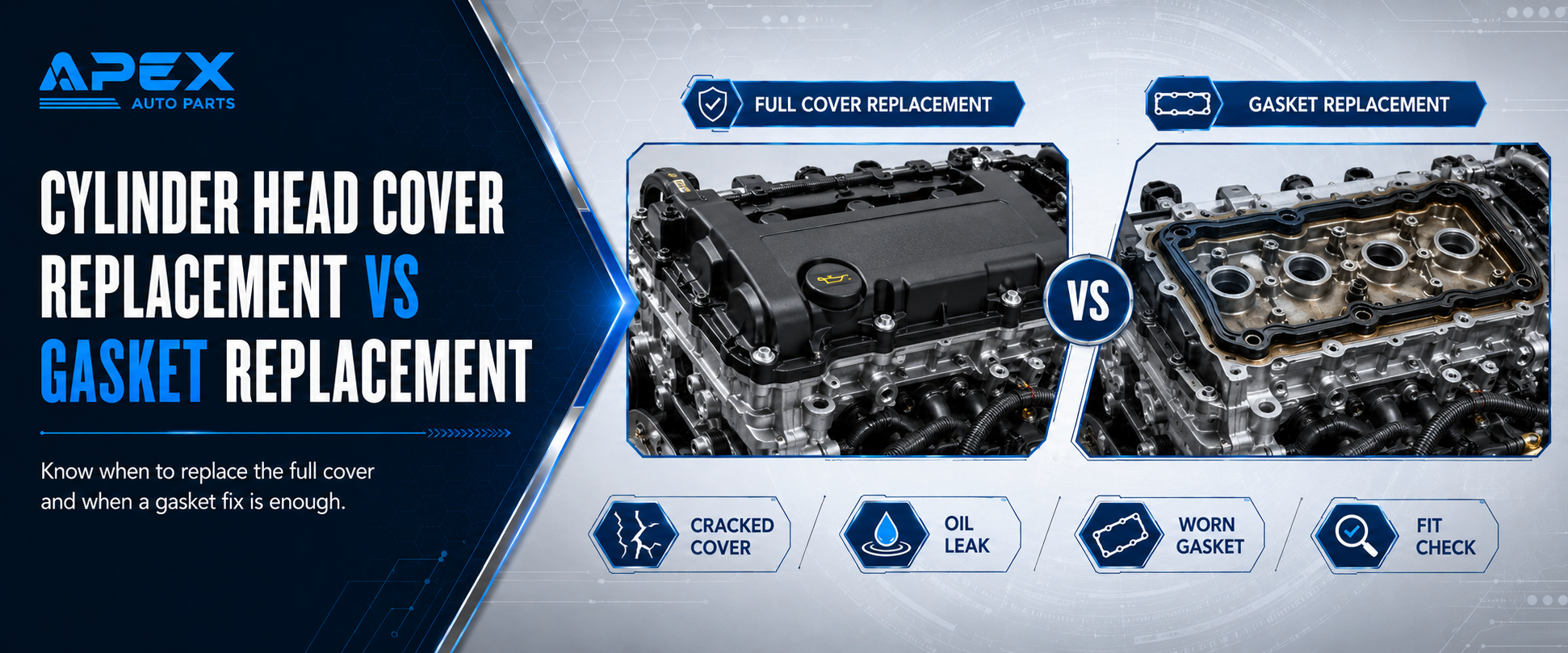
Many drivers think a leak always means the gasket needs to be replaced. Sometimes that is true. But not always.
A gasket replacement makes sense when:
- The cover is not cracked
- The cover is not warped
- The gasket is old or hard
- The sealing surface is clean
- The breather system works fine
- There is no damage to bolt holes
Full cylinder head cover replacement makes sense when:
- The cover is cracked
- The cover has warped from heat
- The cover has built-in PCV failure
- Oil leaks come back after a gasket repair
- Spark plug tube seals are not separate
- The cover material is brittle
- The full cylinder head cover assembly is the correct repair
Replacing only the gasket when the cover is damaged is a common mistake. It may save money on the day, but the leak can return fast.
Why BMW Owners Search for BMW Cylinder Head Cover?
Many BMW owners search for a BMW cylinder head cover because some BMW engines are known for top-end oil leaks, plastic cover issues, and PCV-related faults.
A BMW cylinder head cover often does more than hold a gasket. On many BMW engines, the cover may include a breather or PCV parts. If these fail, the engine may not breathe properly.
Common BMW-related signs can include:
- Oil leak from the top of the engine
- Burning oil smell
- Smoke from the exhaust side
- Whistling sound from the engine
- Rough idle
- High oil use
- Oil around spark plug wells
- Lean running faults in some cases
- Cracked plastic cover
- Failed built-in breather
If a BMW has a leaking cover, it is important to check whether the issue is only the gasket or the full cover assembly. A new gasket may not help if the cover is warped or the built-in breather has failed.
When ordering a BMW cylinder head cover, fitment is very important. BMW engines can vary by engine code, year, model, and version. Always check the exact part before buying.
Can a Bad Cylinder Head Cover Cause Misfires?
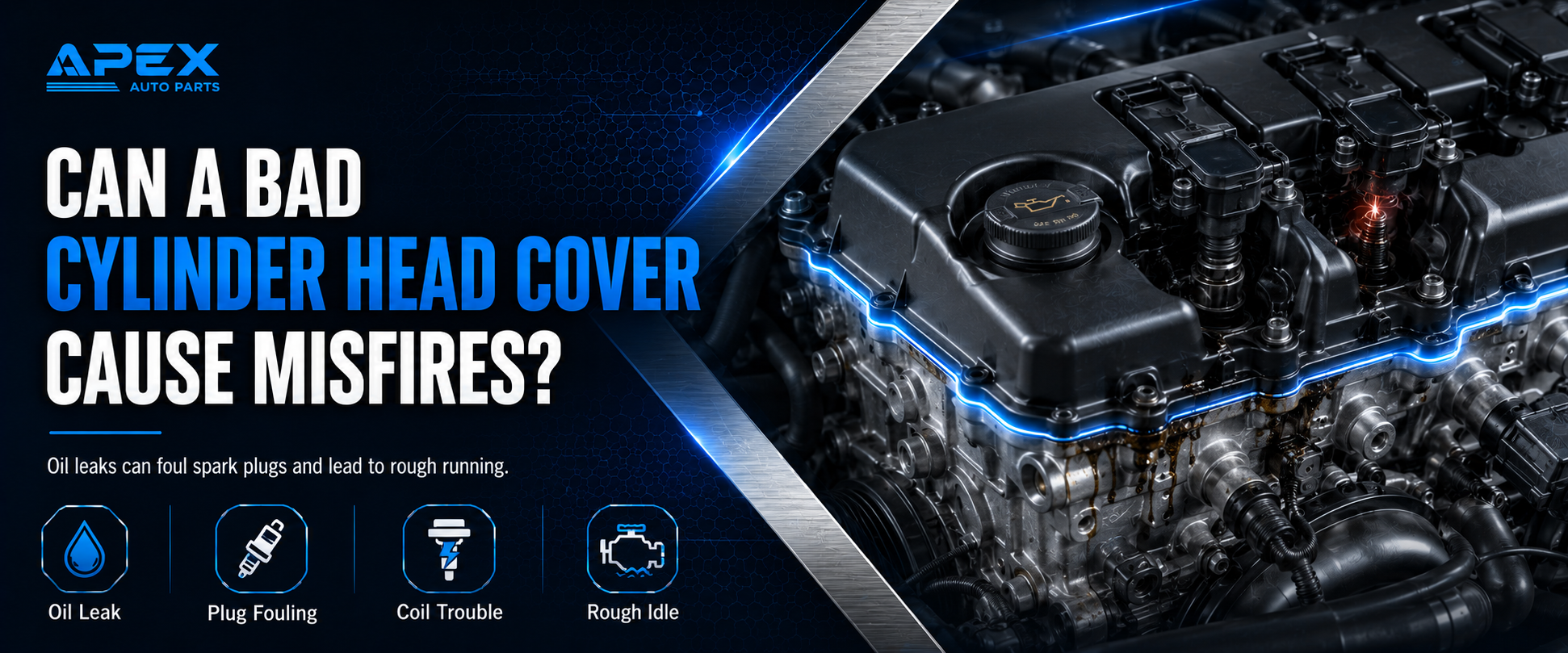
Yes, a faulty cylinder head cover or gasket can cause misfires in some engines. This usually happens when oil leaks into spark plug wells.
Spark plugs and ignition coils need to stay dry and clean. If oil fills the spark plug area, it can affect the ignition coil or plug connection. The spark may become weak, and the engine may misfire.
Signs may include:
- Engine shaking
- Rough idle
- Flashing or steady engine warning light
- Loss of power
- Poor fuel use
- Misfire fault codes
- Oil around ignition coils
- Oil on spark plugs
If you replace the plugs and coils but do not fix the oil leak, the misfire can return. The leak must be repaired first.
Can a Cylinder Head Cover Leak Cause a Burning Smell?
Yes, this is one of the most common signs. When oil leaks from the cylinder head cover gasket, it can run down the engine and land on hot parts. The exhaust manifold is one of the hottest areas.
When oil comes into contact with hot metal, it can produce a strong, burning smell. You may notice it after a drive, when sitting in traffic, or when opening the bonnet.
You may also see light smoke from the engine bay.
Do not ignore a burning oil smell. It may start small, but it usually means oil is reaching a hot surface. It can also make the engine bay messy and, over time, damage nearby rubber parts.
Can You Drive With a Leaking Cylinder Head Cover?
You may be able to drive with a small leak for a short time, but it is not a good idea to ignore it.
A small oil leak can become worse. If oil drips onto hot parts, it can smell and smoke. If oil gets into spark plug wells, it can cause misfires. If the oil level drops too low, the engine can suffer damage.
If you must drive before repair:
- Check the oil level often
- Avoid hard driving
- Watch for smoke
- Watch for a burning smell
- Do not ignore misfires
- Do not drive if oil is dripping heavily
- Book the repair soon
If the oil warning light comes on, stop driving and check the oil level safely. Low oil can quickly damage the engine.
How Mechanics Check a Cylinder Head Cover Leak?
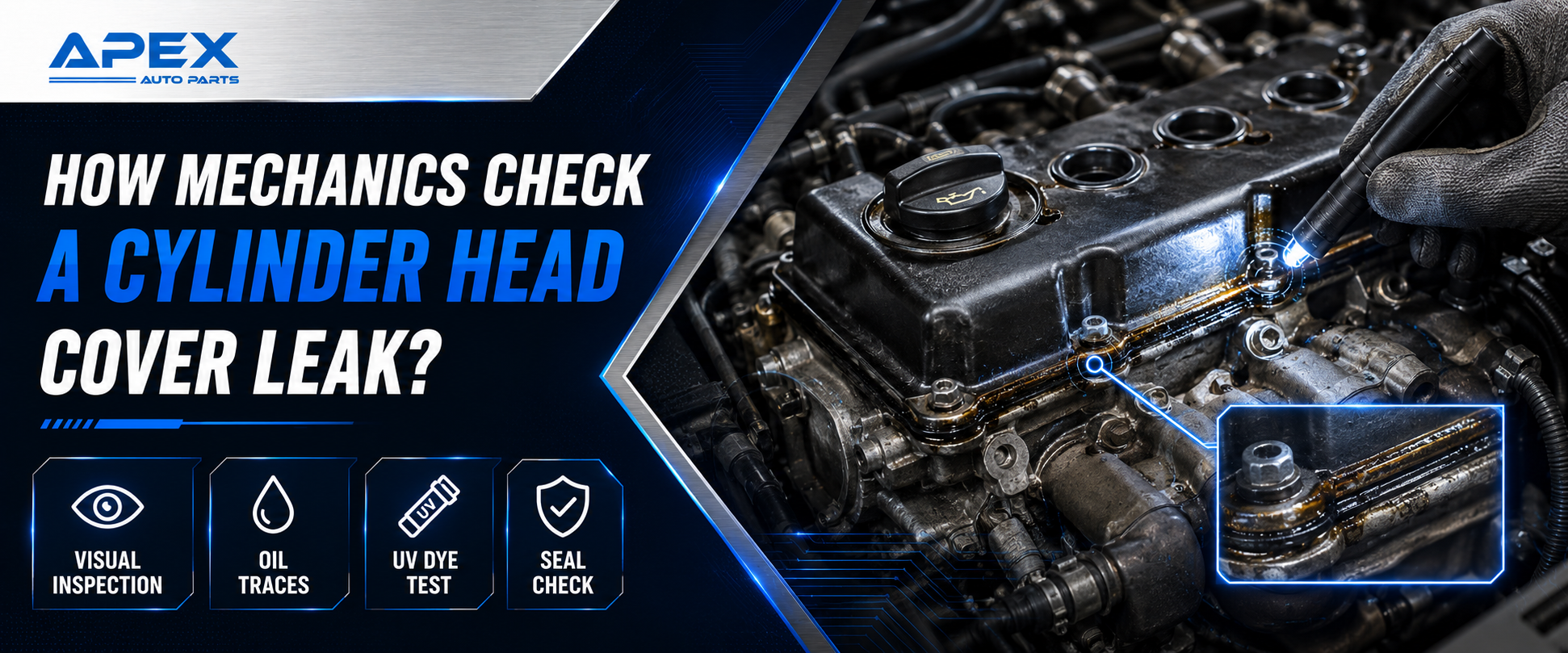
A good mechanic will not guess. They will carefully inspect the engine and determine where the oil is coming from.
Common checks include:
- Looking around the top edge of the cover
- Checking the gasket area
- Looking for oil near the exhaust side
- Checking spark plug wells
- Checking ignition coils
- Cleaning the area and rechecking for fresh leaks
- Checking the breather system
- Inspecting the cover for cracks
- Checking if the cover is warped
- Checking bolt condition
- Looking for oil leaks from nearby parts
This matters because oil can travel. A leak from the top can run down and make it look like another part is leaking. Cleaning and checking again can help find the real source.
Why Guessing the Leak Source Can Cost More?
Oil leaks can be tricky. Oil moves down the engine and spreads with airflow. It may look like the sump, timing cover, or oil filter housing is leaking when the real leak starts at the top.
Guessing can lead to replacing the wrong part.
A wrong guess can cause:
- Wasted money
- Repeat oil leaks
- Extra labor cost
- More engine mess
- Misfire problems left unsolved
- Wrong parts ordered
- Delay in fixing the real issue
Before ordering a replacement cylinder head cover, make sure the cover is the true leak source. If so, make sure you buy the correct part for your engine.
How a Bad Breather System Affects the Cover?
Many modern covers have built-in breather parts. The breather system helps manage pressure inside the engine. If this system fails, pressure can build up, pushing oil past seals and gaskets.
A faulty breather can cause:
- Oil leaks
- Whistling noise
- Rough idle
- High oil use
- Smoke from exhaust
- Poor running
- Check engine light
- Gasket leaks returning after repair
This is why a cylinder head cover assembly may be needed instead of only a gasket. If the breather is part of the cover, the full cover may be the proper fix.
What Happens During Cylinder Head Cover Replacement?
The exact job depends on the vehicle, but the basic process is similar.
A mechanic may:
- Remove engine covers
- Disconnect breather pipes
- Remove ignition coils if needed
- Remove wiring clips carefully
- Remove old cover bolts
- Lift off the old cover
- Clean the sealing surface
- Check for cracks or damage
- Fit the new gasket or cover
- Use correct bolt tightening order
- Refit coils and pipes
- Check for leaks after running the engine
The sealing surface must be clean. If old gasket material or oil is left behind, the new gasket may not seal well.
Bolts should not be over-tightened. Too much force can damage the gasket or crack a plastic cover. Correct fitting is just as important as the part itself.
Why Quality Parts Matter?
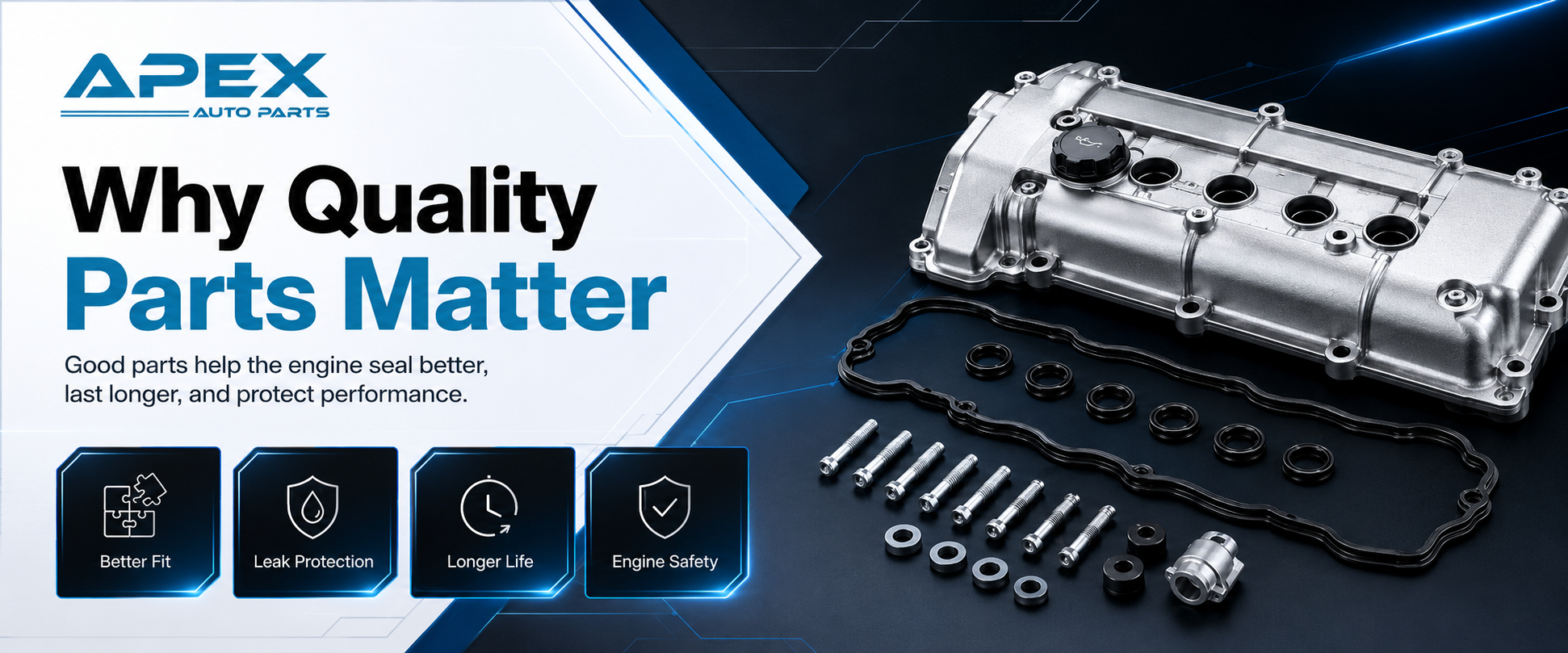
A cylinder head cover deals with heat, oil, pressure, and vibration. Poor-quality parts may not seal well or fail early.
A good part should:
- Fit the engine correctly
- Seal properly
- Handle heat
- Hold its shape
- Work with the breather system
- Include the correct gasket if supplied
- Match the vehicle engine code
- Last under normal driving conditions
A cheap gasket or poor-quality cover can leak again. If the labor takes time, it is not worth doing the job twice.
Apex Auto Parts helps UK drivers find suitable engine parts online. For parts like the cylinder head cover assembly, correct fitment matters. Always check the model, engine code, year, and part details before buying.
How To Make a New Cylinder Head Cover Last Longer?
Once the cover or gasket has been replaced, good engine care can help the repair last.
Simple steps include:
- Use the correct oil grade
- Change oil on time
- Do not overfill the engine oil
- Fix breather issues early
- Keep the engine bay clean
- Check for leaks after repair
- Avoid cheap, poor-quality gaskets
- Do not ignore the burning oil smell
- Do not over-tighten bolts
- Use the correct part for your engine
Regular servicing helps reduce sludge and pressure issues. Clean oil also helps protect seals and internal parts.
Signs You Should Not Ignore
Some signs mean the leak or cover problem needs attention soon.
Do not ignore:
- Oil dripping onto exhaust parts
- Smoke from under the bonnet
- Strong burning oil smell
- Oil around spark plugs
- Engine misfire
- Oil level dropping often
- Cracked cover
- Whistling noise from the breather area
- Oil leak returning after gasket replacement
- Engine warning light with rough idle
These signs can point to more than a simple leak. It may involve the gasket, cover, breather, or ignition system.
Buying the Right cylinder head cover assembly
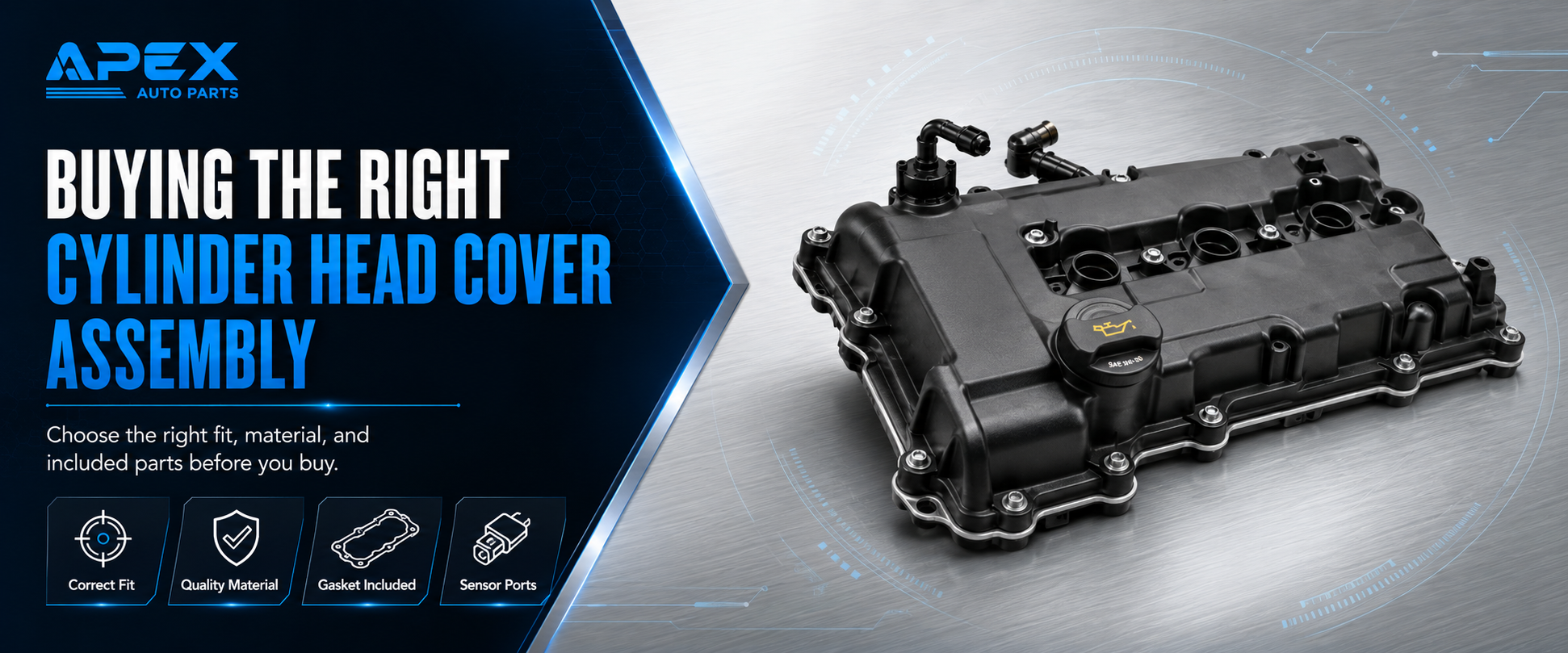
Before buying a cylinder head cover assembly, make sure it matches your vehicle.
Check:
- Vehicle make and model
- Year
- Engine size
- Engine code
- Fuel type
- Part number
- Gasket included or separate
- Breather parts included
- Bolt seals included
- Warranty
- Fitment notes
For a BMW cylinder head cover, the engine code is especially important. BMW uses many engine versions, and covers may look similar but not fit correctly.
If you are not sure, use the registration, VIN, or part number to confirm fitment.
Final Thoughts
A cylinder head cover may look like a basic engine cover, but it has an important job. It protects the top of the engine, keeps oil inside, and helps keep dirt and moisture away from moving parts.
The cylinder head cover gasket is the seal that stops oil from leaking out. When it fails, you may notice oil leaks, burning smells, smoke, rough running, or oil in spark plug wells.
Sometimes a gasket is enough. Other times, full cylinder head cover replacement is the better choice, especially if the cover is cracked, warped, or has a built-in breather fault.
BMW owners should take extra care when choosing a BMW cylinder head cover, as many models use covers with built-in breather systems. Correct fitment matters.
Apex Auto Parts supports UK drivers looking for reliable engine parts online. If your car has a top engine oil leak, do not guess. Find the real source, choose the right part, and fix it properly the first time.
FAQs - Cylinder Head Covers
1. What is a cylinder head cover?
A cylinder head cover is the part fitted on top of the engine cylinder head. It protects the valve train area and keeps oil inside the engine. It also helps stop dirt and moisture from entering the top of the engine, where moving parts need clean oil.
2. What does a cylinder head cover gasket do?
A cylinder head cover gasket seals the gap between the cover and the cylinder head. Its job is to stop oil from leaking out. When the gasket becomes hard, flat, or cracked, oil can escape, causing burning smells, smoke, or oil stains.
3. What are the signs of a bad cylinder head cover gasket?
Common signs include oil around the top of the engine, a burning oil smell, smoke from the engine bay, oil in spark plug wells, rough idle, misfires, and a low oil level. If these signs appear, the gasket and cover should be inspected soon.
4. When is cylinder head cover replacement needed?
Cylinder head cover replacement is needed when the cover is cracked, warped, brittle, or has a failed built-in breather system. If only the gasket is worn, a replacement may be sufficient. But if the cover itself is damaged, the full cover should be replaced.
5. Is a cylinder head cover assembly the same as a gasket?
No, a cylinder head cover assembly usually means the full cover unit. It may include the cover, gasket, breather parts, PCV valve, seals, and other parts. The gasket is only the seal between the cover and the cylinder head.
6. Why does a BMW cylinder head cover leak?
A BMW cylinder head cover may leak because of heat, age, gasket failure, cracked plastic, warping, or a failed breather system. Many BMW covers use built-in PCV parts, so replacing only the gasket may not always fix the issue.
7. Can a leaking cylinder head cover gasket cause smoke?
Yes, a leaking cylinder head cover gasket can cause smoke if oil drips onto hot exhaust parts. You may also smell burning oil after driving. Smoke from the engine bay should be checked promptly, as the leak may worsen over time.
8. Can I drive with a leaking cylinder head cover?
You may drive for a short time with a small leak, but it should not be ignored. Keep checking the oil level and watch for smoke, smell, or misfires. If oil is dripping heavily or the oil light comes on, stop driving and get it checked.
9. How much does a cylinder head cover replacement cost?
The cost depends on the vehicle, engine design, labor time, and whether you need only a gasket or the full cover. A BMW cylinder head cover may cost more if it includes built-in breather parts or takes longer to fit.
10. How do I choose the right cylinder head cover assembly?
Choose a cylinder head cover assembly by checking the vehicle make, model, year, engine size, engine code, and part number. Make sure the gasket and breather parts match your engine. Correct fitment is important to stop leaks from returning.