
 info@apexautoparts.co.uk
 +44 203 915 7535
 Safe & Fast Shipping
 Whish List
 Compare
 Sign In

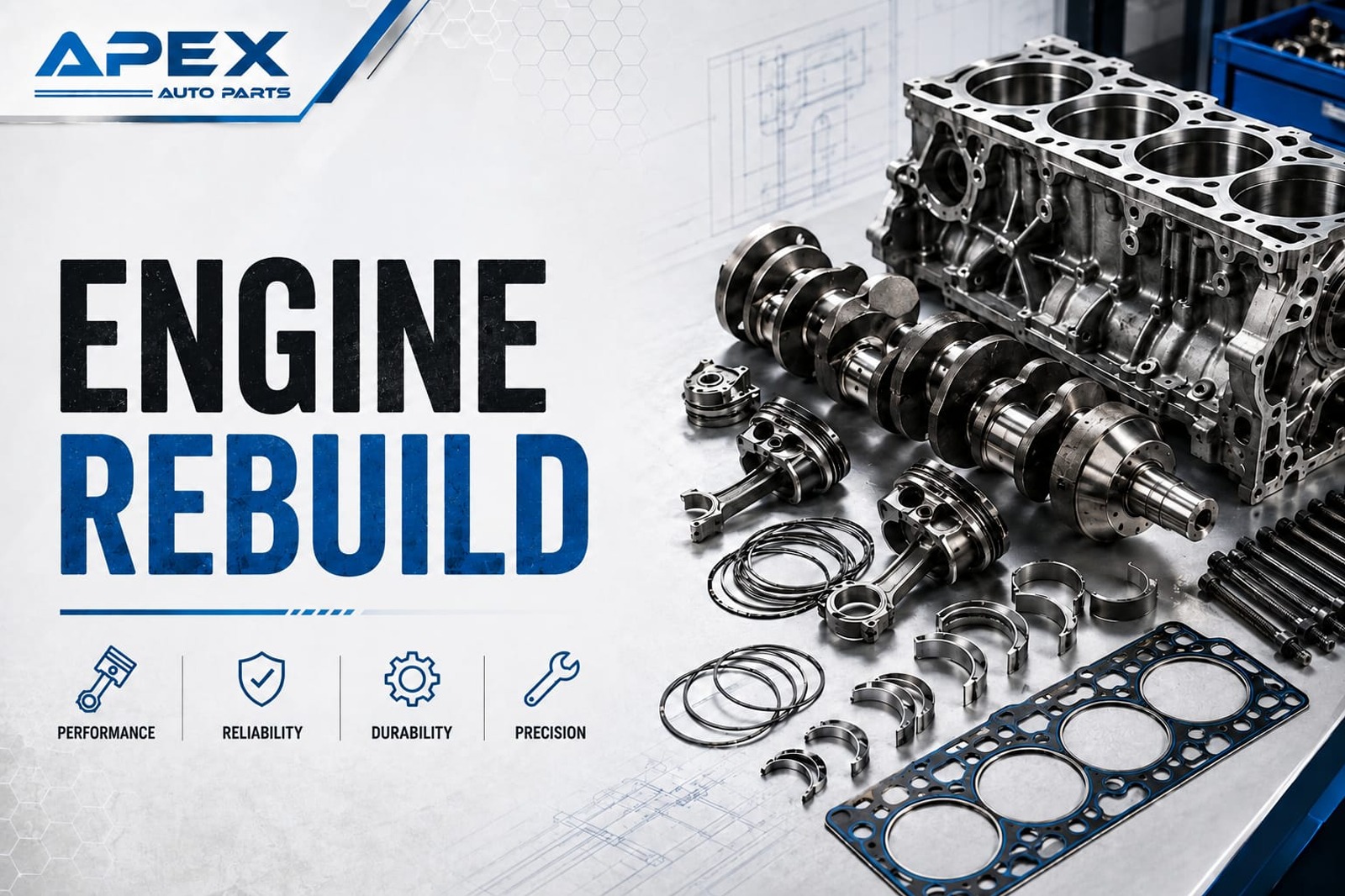
A car engine can last a long time when it is properly cared for. But after years of heat, pressure, oil movement, and daily driving, internal parts can wear out. Some engines start using too much oil. Some lose power. Some make knocking sounds. Some overheat again and again. When the damage is too serious for a small repair, an Engine Rebuild may be the right answer.
An Engine Rebuild means the engine is taken apart, checked, cleaned, repaired, and fitted with new or repaired parts where needed. The goal is to restore the engine to strong working condition without replacing the entire vehicle. It is not a quick oil change or a simple gasket job. It is a deep repair that focuses on the engine's main components.
Many drivers hear the word " rebuild " and panic. They think it always means a huge bill. Sometimes it can cost a lot, but it can also save a vehicle that still has value. A good rebuild can be better than buying another used engine with an unknown history. The key is knowing when it makes sense, what parts are involved, and how to avoid mistakes.
At Apex Auto Parts, many UK drivers, garages, and mechanics look for engine parts after a fault has been found. Some need pistons, piston rings, bearings, timing kits, oil pumps, gaskets, cylinder heads, valves, or crankshaft parts. For any Engine Rebuild, the right parts and correct fitment matter. A wrong part can delay the repair and cause more problems later.
This guide explains what an Engine Rebuild is, when it is needed, what happens during the job, how a diesel engine rebuild differs from a petrol rebuild, and what to know about a BMW, Range Rover, and Porsche engine rebuild.
What Is an Engine Rebuild?
An Engine Rebuild is a repair process in which the engine is disassembled and internal components are inspected. The mechanic checks what is worn, damaged, dirty, cracked, or out of shape. Parts that are still good may be cleaned and reused. Parts that are damaged or worn are repaired or replaced.
The rebuild can be partial or full. A partial rebuild may focus only on the top of the engine, such as the cylinder head, valves, head gasket, and timing parts. A full Engine Rebuild goes deeper and may include pistons, piston rings, crankshaft bearings, connecting rods, oil pump, seals, gaskets, and sometimes the crankshaft itself.
The main idea is to fix the engine from the inside. This is different from replacing a small external part, such as a sensor, belt, water pump, or EGR valve. A rebuild is done when the engine has internal wear or damage.
A proper Engine Rebuild should not be based on guessing. The engine should be checked first. Compression tests, leak-down tests, oil pressure checks, coolant checks, fault codes, and visual inspection can help determine the level of repair needed.
An engine may need rebuilding for many reasons. Most of the time, it is linked to wear, poor oil care, overheating, timing failure, or long-term damage.
Engine parts work under high heat and pressure. Pistons move up and down very fast. Bearings support the crankshaft. Valves open and close again and again. Oil must move through small passages to protect the parts. If the oil gets dirty, too low, or stops flowing properly, parts can wear quickly.
Overheating is another common reason. When an engine gets too hot, metal parts can warp. The cylinder head may bend slightly. The head gasket may fail. Oil can lose its strength. Coolant can mix with oil. If this happens often, more serious damage can follow.
Failure of a timing belt or timing chain can also lead to serious damage. If the valves and pistons collide, the cylinder head may require major repair. In some cases, the engine's bottom end may also be affected.
A few signs that an Engine Rebuild may be needed include heavy smoke, low compression, engine knocking, coolant mixing with oil, oil burning, low oil pressure, repeated overheating, metal flakes in oil, or serious power loss.
Common Signs You May Need an Engine Rebuild
A car will usually give warning signs before the engine reaches a serious stage. Some signs are small at first, but they can get worse if ignored.
A knocking sound from the lower part of the engine can point to bearing wear or crankshaft damage. Blue smoke from the exhaust can indicate that oil is entering the combustion chamber. White smoke may point to coolant entering the cylinders. Black smoke can mean too much fuel or poor airflow, especially on diesel engines.
Low compression is a strong warning sign. If one or more cylinders cannot hold pressure, the engine will not burn fuel properly. This can cause rough running, poor starting, misfires, and weak power.
Mixing oil and coolant is another serious sign. If the oil looks milky, coolant may be entering the oil system. If the coolant bottle contains oily residue, oil may be entering the cooling system. Both signs should be checked quickly.
You may need an inspection for an Engine Rebuild if you notice:
- Heavy smoke from the exhaust
- Deep knocking from the engine
- Low compression
- Repeated overheating
- Oil level dropping fast
- Coolant loss with no clear leak
- Rough idle and poor power
- Metal flakes in the oil
- Failed head gasket signs
- Engine warning lights with poor running
These signs do not always mean a full rebuild is needed, but they do mean the engine should be checked properly.
Engine Rebuild vs Engine Replacement
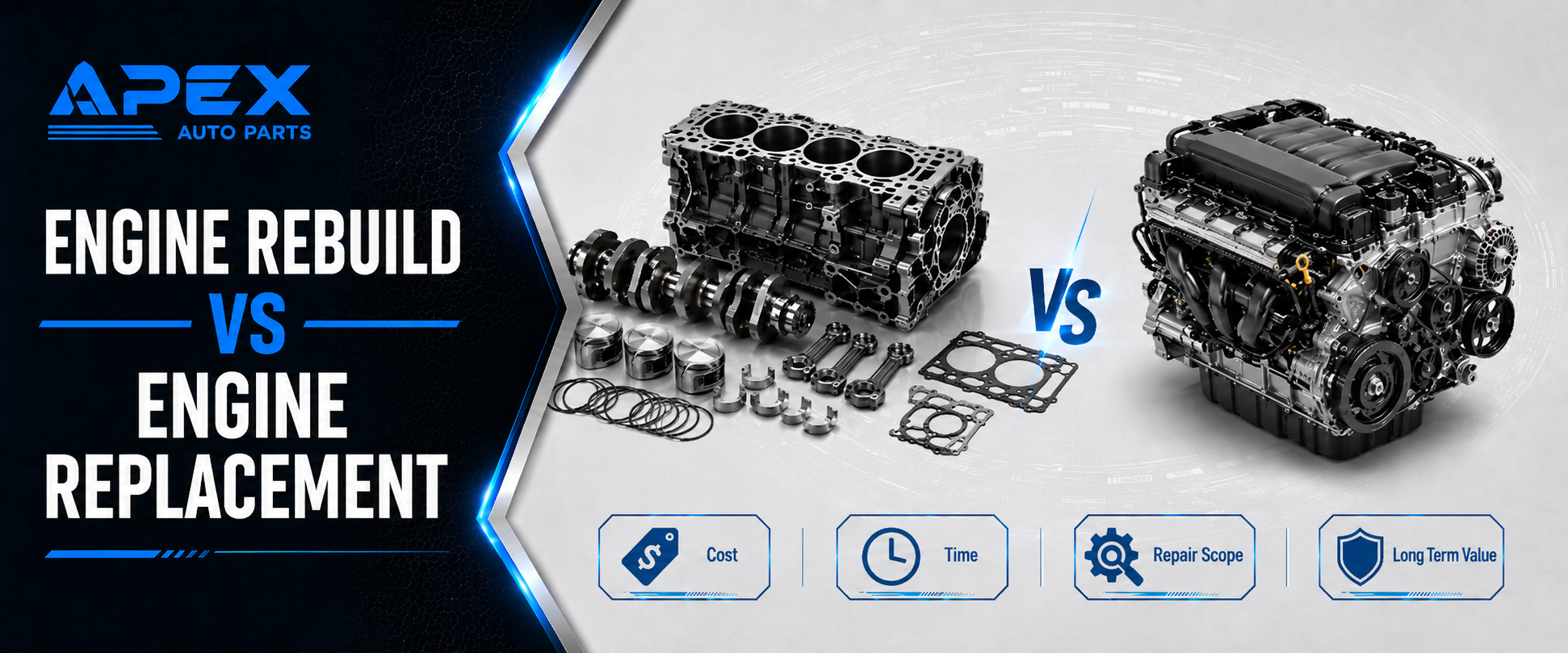
Many drivers ask whether an Engine Rebuild is better than engine replacement. The answer depends on the engine condition, repair cost, vehicle value, and parts availability.
An Engine Rebuild keeps your original engine. This can be useful if the engine block is still good and the damage can be repaired. You also know the history of your own engine. If the rebuild is done properly, it can restore strength and extend engine life.
An engine replacement means fitting another engine. This may be a used engine, a reconditioned engine, or a new unit. A used engine can be cheaper at first, but it may come with unknown wear. You may not know how it was serviced, if it overheated, or if it has hidden problems.
A rebuild can be a better choice when the vehicle is worth keeping and the engine has repairable damage. Replacement may make more sense if the block is cracked, the crankshaft is beyond repair, or the cost of the rebuild exceeds the car's value.
A good mechanic should explain both options clearly before the work begins.
What Happens During an Engine Rebuild?
The exact steps depend on the engine type and the extent of the damage, but most rebuilds follow a careful process.
First, the engine is inspected. The mechanic checks symptoms, scans fault codes, tests compression, checks oil and coolant, and listens for noise. If internal damage is likely, the engine may need to be removed or stripped down.
Next, the engine is taken apart. The cylinder head, timing parts, sump, pistons, rods, bearings, gaskets, and seals may be removed. The parts are cleaned so the mechanic can see the real condition.
Then each part is checked. The cylinder head may be tested for cracks and warping. The engine block may be inspected for bore wear. Pistons and rings are checked. Bearings are measured. The crankshaft is checked for scoring, cracks, or wear. The oil pump is also important because poor oil flow can destroy a rebuilt engine.
After inspection, the mechanic decides what must be replaced or machined. Machining may include cylinder honing, block work, crankshaft polishing, head skimming, valve seat work, or thread repair.
Once the parts are ready, the engine is rebuilt with new gaskets, seals, bearings, rings, and other required components. Timing is set correctly, oil and coolant are added, and the engine is started and checked for leaks, noise, pressure, and smooth running.
Parts Often Replaced During an Engine Rebuild
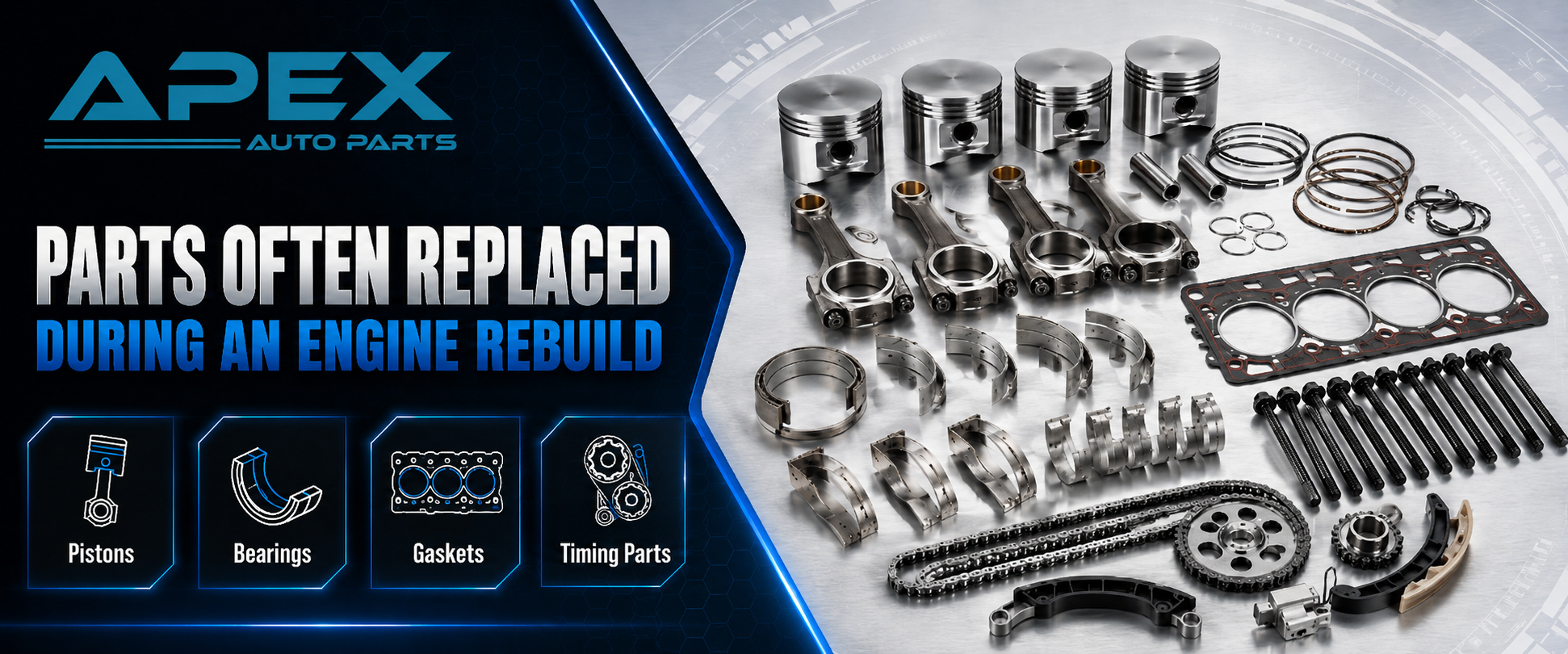 Not every rebuild uses the same parts, but some parts are commonly replaced because they wear or cannot be reused safely.
Piston rings are often replaced because they help seal against combustion pressure and control oil consumption. Bearings are commonly replaced because they support the crankshaft and connecting rods. Gaskets and seals are replaced because old ones usually cannot seal properly after removal.
Timing parts may also be replaced during an Engine Rebuild, especially if they are worn or if the engine damage came from timing failure. The oil pump should be checked carefully because a weak oil pump can ruin the new repair.
Common rebuild parts may include:
- Pistons
- Piston rings
- Main bearings
- Big end bearings
- Thrust washers
- Head gasket
- Head bolts
- Timing chain kit or timing belt kit
- Oil pump
- Water pump
- Valve stem seals
- Full gasket set
- Crankshaft seals
- Connecting rods if damaged
- Cylinder head parts if needed
Apex Auto Parts supplies many of these engine parts for UK drivers and trade buyers. Fitment matters, so engine code, vehicle details, and part numbers should be checked before ordering.
What is a diesel engine rebuild?
A diesel engine rebuild is similar to a petrol rebuild, but diesel engines have their own needs. Diesel engines usually run with higher compression. They also deal with more soot, stronger internal pressure, and heavy torque loads.
Because of this, a diesel engine rebuild requires careful inspection of the pistons, rings, injectors, turbo components, glow plugs, oil system, timing components, and cylinder head condition. Diesel engines often suffer when oil changes are missed or when DPF and EGR problems are ignored.
A diesel engine may need rebuilding after a timing chain failure, turbo failure, overheating, injector problems, oil starvation, or high-mileage wear. If an injector over-fuels a cylinder, it can damage a piston. If the turbo fails and sends oil into the intake, the engine may suffer serious damage. If the DPF blocks badly, pressure and heat can create extra problems.
A proper diesel engine rebuild should also include checking the fuel and air systems. Rebuilding the engine without fixing the cause can lead to another failure.
BMW Engine Rebuild: What Owners Should Know
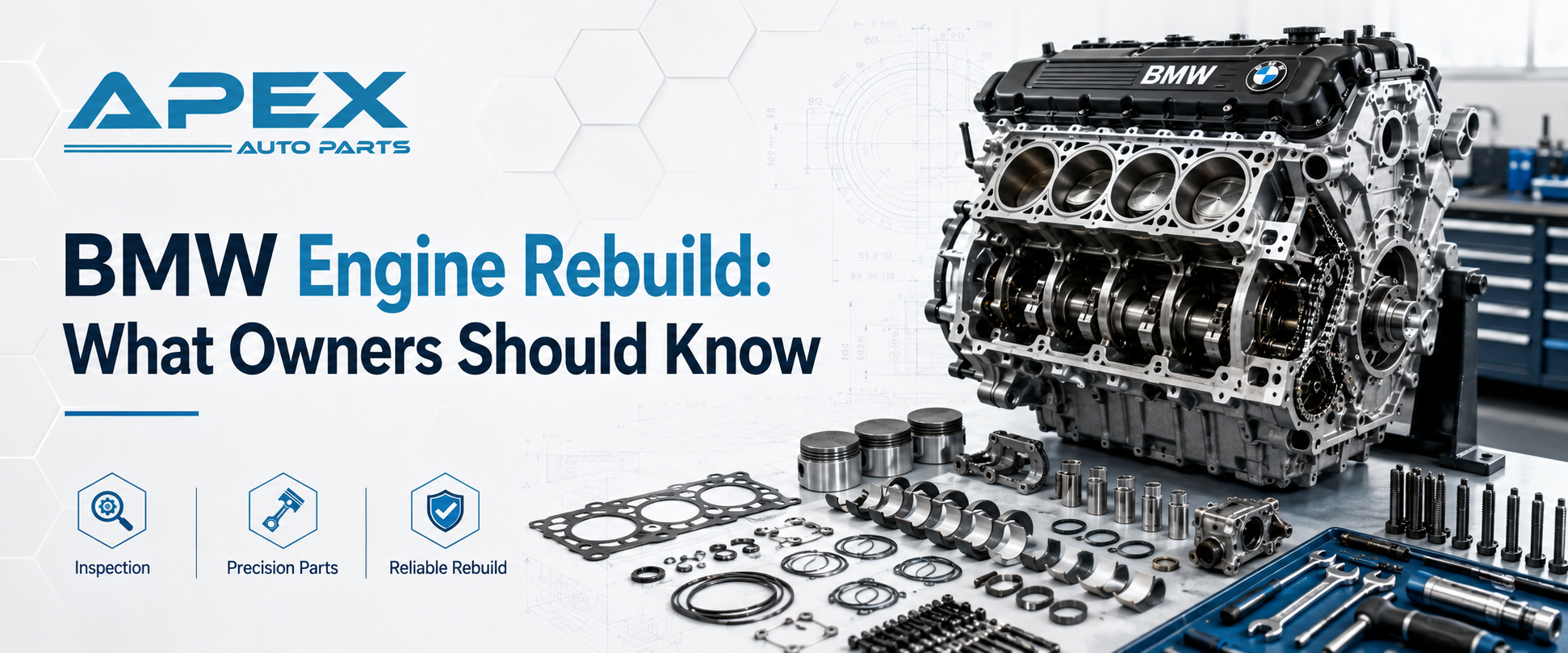
A BMW engine rebuild requires careful diagnosis because BMW engines can vary widely by model, year, and engine code. A BMW 3 Series, 5 Series, X5, or MINI linked engine may use different internal parts even if the engines look similar from the outside.
Many BMW engines are strong when serviced well, but they can become costly when oil changes are missed, timing chains wear, cooling systems fail, or cheap parts are fitted. Common rebuild reasons can include timing chain failure, bearing wear, piston ring wear, valve damage, head gasket failure, or overheating.
A BMW engine rebuild should not start without checking the engine code and real fault. For example, a timing chain noise is not the same as piston ring wear. A crankshaft sensor fault is not the same as bottom-end damage. A proper test can save money.
BMW engines also need correct oil, correct torque settings, correct timing tools, and proper parts. Guessing is risky. If you are buying parts for a BMW engine rebuild, match the part to the exact engine code and part number where possible.
Range Rover engine rebuild: Why It Can Be Complex?
A Range Rover engine rebuild can be a big job because Range Rover and Land Rover engines often work hard. These vehicles are heavy and may be used for towing, long trips, city driving, and rough roads. That can put stress on the engine, cooling, turbo, and oil systems.
Some Range Rover engines can suffer from overheating, timing issues, crankshaft problems, turbo faults, oil leaks, or injector problems. A small fault can become expensive if it is ignored.
A Range Rover engine rebuild should start by identifying the real reason for the failure. If an engine overheats, the cooling system must be checked. If the bearings failed, the oil pressure and oil pump condition must be checked. If a turbo fails, the intake and oil feed lines should be inspected.
Because these engines can be costly to repair, quality parts matter. It is also important to choose a mechanic who understands the engine type. A poor rebuild can cost more than doing the job properly the first time.
Porsche engine rebuild: Performance Needs Extra Care.
A Porsche engine rebuild needs extra care because Porsche engines are built for performance. They often run at higher speeds and can be more sensitive to poor oil care, overheating, and incorrect fitting.
Some Porsche engines may need rebuilding due to bore scoring, oil burning, bearing wear, timing issues, coolant problems, or high-mileage wear. The exact issue depends on the engine family and model.
A Porsche engine rebuild should be done with careful measurement. Clearances, timing, sealing, and oil flow all matter. Performance engines do not forgive poor workmanship. A small fitting error can lead to noise, oil leaks, low compression, or repeated failure.
Using the correct parts is also very important. A cheap gasket, wrong bearing size, or poor-quality piston ring can reduce engine life. If the vehicle is valuable, the rebuild should protect that value.
Top End Rebuild vs Bottom End Rebuild
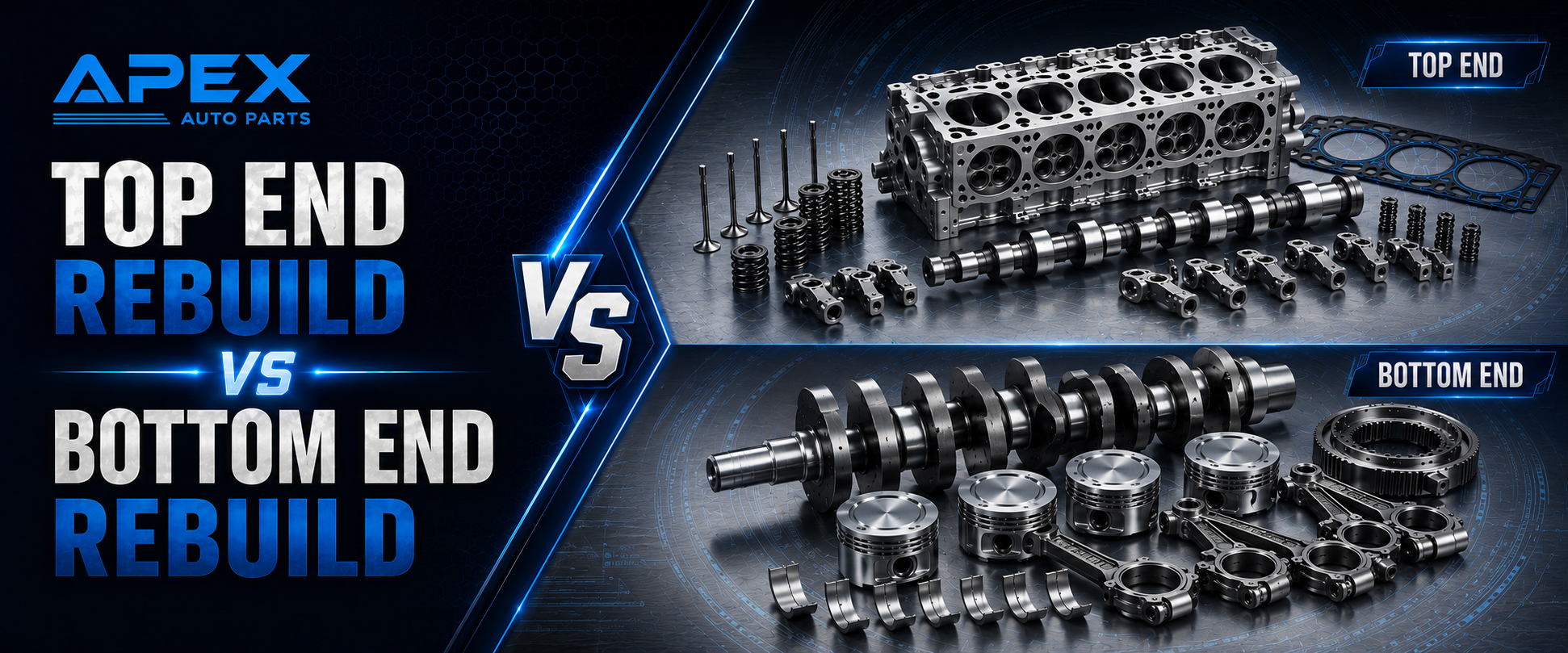 Not every engine needs a full rebuild. Sometimes only the top end or bottom end needs attention.
A top-end rebuild focuses on the cylinder head area. This may include valves, valve stem seals, camshafts, lifters, rocker arms, head gasket, timing parts, and head bolts. This type of repair may be needed after valve damage, head gasket failure, or oil burning from valve seals.
A bottom-end rebuild focuses on the lower end of the engine. This includes pistons, rings, connecting rods, crankshaft, main bearings, big-end bearings, and the oil pump. This repair may be needed after a bearing knock, low oil pressure, piston damage, or crankshaft wear.
A full Engine Rebuild covers both areas. A mechanic should decide based on testing and inspection, not guessing.
How Long Does an Engine Rebuild Take?
The time needed for an Engine Rebuild depends on the engine, the damage, parts availability, and the machine shop's workload. A simple rebuild may take several days. A more complex job may take weeks.
Some delays occur because the engine must be stripped before the full extent of the damage is known. A mechanic may not know if the crankshaft, cylinder head, pistons, or block need machining until the engine is open. Parts may also need to be ordered after measurement.
For example, bearing sizes may depend on the condition of the crankshaft. Pistons may depend on bore size. Head gasket thickness may depend on engine design and machining.
It is better to wait for the correct parts and proper fit than to rush a rebuild. A rushed Engine Rebuild can fail early.
How Much Does an Engine Rebuild Cost?
The cost of an Engine Rebuild can vary a lot. It depends on the vehicle, engine size, damage severity, labor time, required parts, and whether machining is needed.
A small engine with light wear will usually cost less than a large performance engine with damage to the crankshaft, pistons, or cylinder head. A Porsche engine rebuild, Range Rover engine rebuild, or BMW engine rebuild may cost more because of parts, labor, tools, and engine design.
Cost is affected by:
- Engine type
- Labor time
- Parts quality
- Damage level
- Machine work
- Timing parts
- Oil pump condition
- Turbo or injector issues
- Cooling system repairs
- Whether the engine must be removed
A cheap rebuild is not always a good rebuild. If poor-quality parts are used or the root cause is not fixed, the engine can fail again. It is better to pay for correct work than to pay twice.
Mistakes to Avoid During an Engine Rebuild
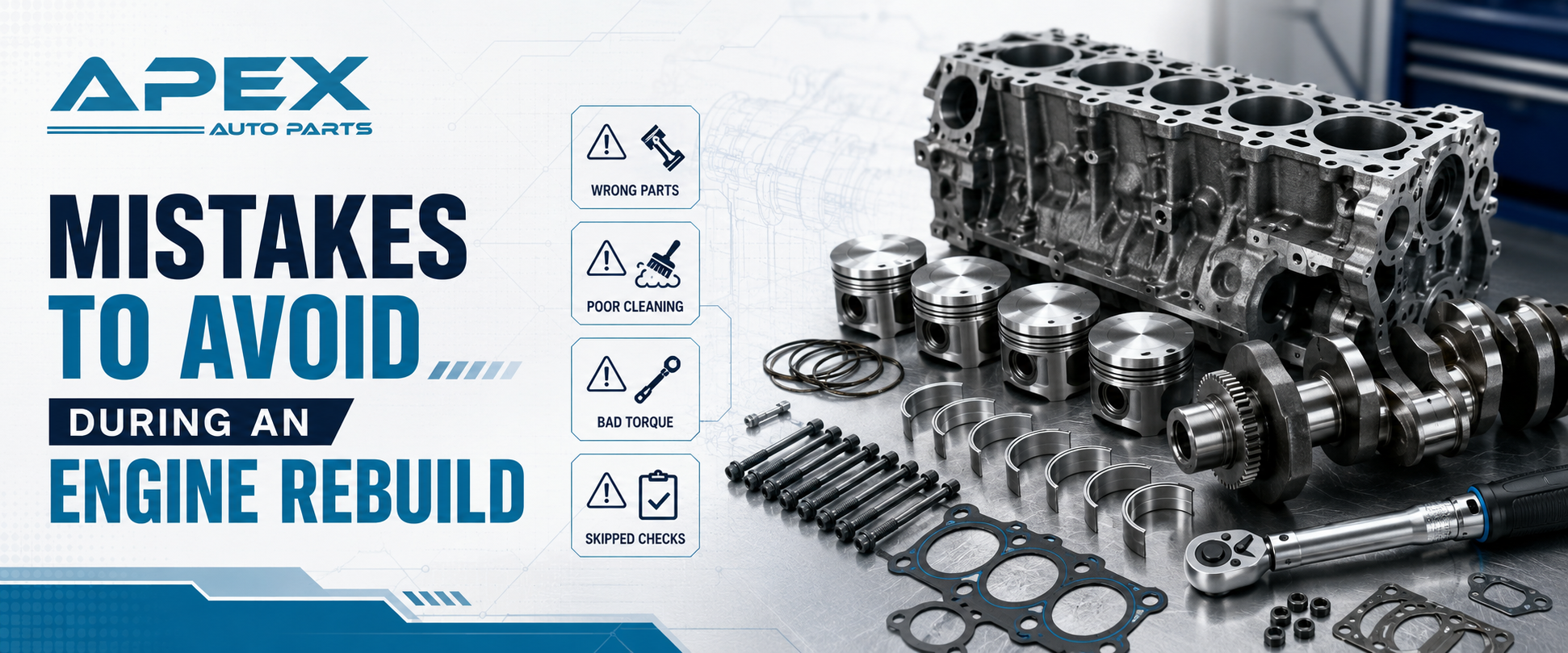
Many rebuild problems happen because someone fixes the damage but not the cause. If an engine fails because of low oil pressure, fitting new bearings without checking the oil pump and oil passages is risky. If overheating caused the failure, the cooling system must be fixed. If injector faults damage a piston, the injectors must be checked.
Another mistake is using the wrong or cheap parts. Internal engine parts must fit exactly. Bearings, pistons, rings, bolts, gaskets, and timing parts must match the engine.
Poor cleaning is also a problem. Dirt inside a rebuilt engine can damage bearings and oil passages. Every part must be cleaned properly before assembly.
Do not ignore these points:
- Find the cause before rebuilding
- Measure parts correctly
- Use correct torque settings
- Replace stretch bolts where needed
- Check oil pump and oil passages
- Clean everything properly
- Use correct timing tools
- Avoid cheap parts
- Check cooling and fuel systems
- Run the engine carefully after the repair
A good Engine Rebuild is about detail.
Why Quality Parts Matter?
An Engine Rebuild is only as good as the parts and workmanship used. Internal engine parts work under heat, pressure, oil flow, and constant movement. Poor parts can wear quickly, leak, or fail.
A low-quality bearing can damage the crankshaft. Poor piston rings can cause oil burning. A weak head gasket can fail again. A cheap timing kit can cause timing problems. A bad oil pump can destroy the engine after a rebuild.
Quality does not always mean the most expensive option. It means the correct part, made to the right standard, fitted in the right way. Apex Auto Parts helps drivers and garages find engine parts by vehicle details, part type, and fitment needs. This can reduce wrong orders and make the repair process smoother.
For a rebuild, saving a little money on a weak part can end up costing far more later.
How to Look After an Engine After Rebuild
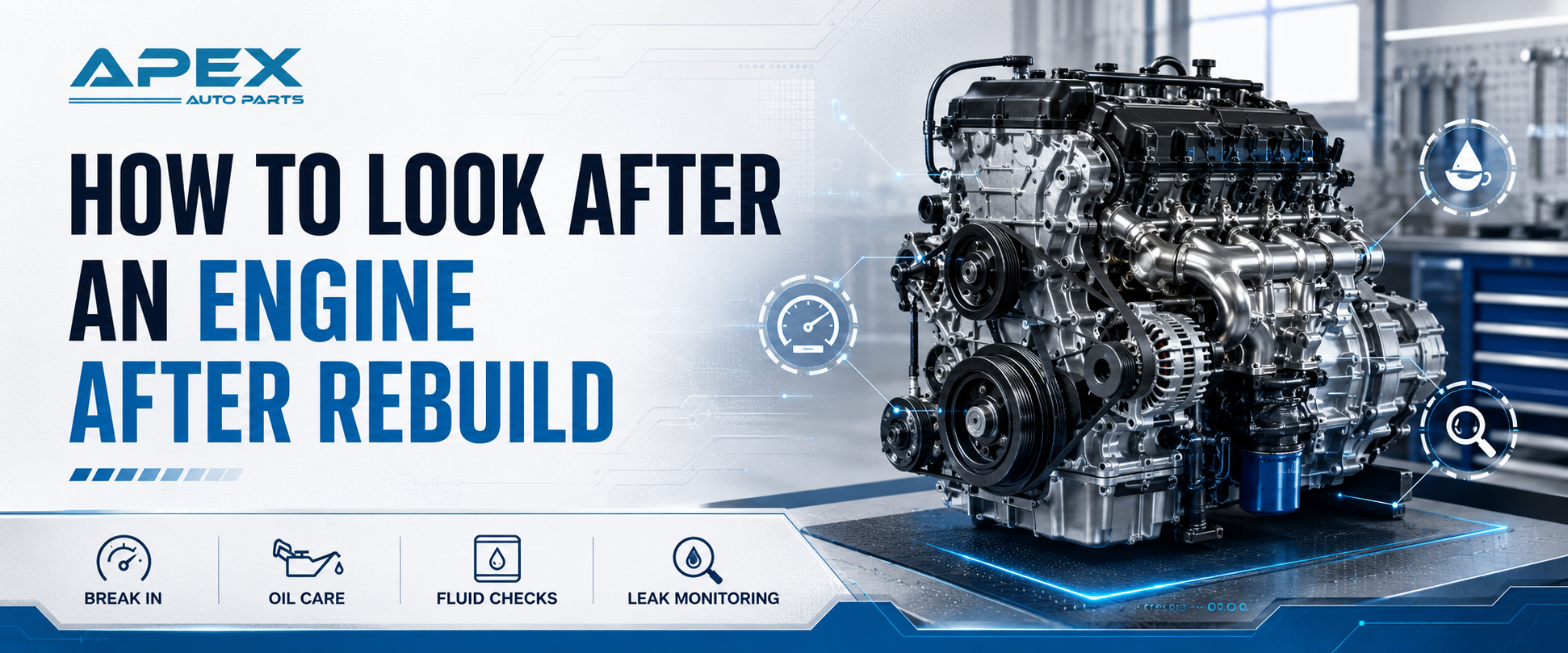
After an Engine Rebuild, the engine needs careful use. The first few miles matter because new parts are bedding in. The mechanic should give clear instructions based on the engine and parts used.
The engine oil and filter may need to be changed after a short running period. This helps remove small particles from the bedding. The coolant level should be checked. Oil leaks should be watched. Strange noises should be reported quickly.
Avoid hard driving at first. Do not tow heavy loads too soon. Let the engine warm up properly. Keep an eye on the oil and coolant levels. If a warning light appears, stop and check it.
A rebuilt engine can last a long time, but only if it is properly cared for after the repair.
Final Thoughts
An Engine Rebuild is a major repair, but it can bring an engine back to strong working condition when done properly. It is not just about replacing parts. It is about finding the cause, measuring correctly, cleaning carefully, using quality parts, and building the engine with care.
A diesel engine rebuild requires special attention because diesel engines operate at high compression and high torque. A BMW engine rebuild needs correct engine code matching and careful timing work. A Range Rover engine rebuild must check cooling, oil, turbo, and load-related issues. A Porsche engine rebuild must protect performance and value with precise work.
If your engine has knocking, smoke, low compression, overheating, oil burning, or metal in the oil, do not guess. Get it checked. A proper diagnosis can tell you whether a small repair, a partial rebuild, a full Engine Rebuild, or a replacement engine is the best option.
For UK drivers, mechanics, and garages, Apex Auto Parts supplies engine parts that can support repair and rebuild work. The right part, fitted correctly, can help the engine last longer and reduce the need for repeat repairs.
FAQs About Engine Rebuilds
1. What is an Engine Rebuild?
An Engine Rebuild means the engine is taken apart, checked, cleaned, repaired, and fitted with new parts where needed. It can include pistons, rings, bearings, gaskets, seals, timing parts, and cylinder head work. The goal is to restore engine strength without replacing the whole vehicle.
2. When does a car need an Engine Rebuild?
A car may need an Engine Rebuild when it has low compression, heavy smoke, engine knocking, oil burning, metal in the oil, repeated overheating, or serious internal damage. A mechanic should test the engine first because some problems can be fixed without a full rebuild.
3. Is an Engine Rebuild better than replacing the engine?
An Engine Rebuild can be better if your original engine block is still good and the damage is repairable. Replacing the engine may be better if the block is cracked or the damage is too severe. The right choice depends on cost, vehicle value, and engine condition.
4. How long does an Engine Rebuild take?
An Engine Rebuild can take several days to a few weeks. The time depends on engine type, damage level, machine work, and parts availability. Some parts cannot be ordered until the engine is stripped and measured, so rushing the job is not always wise.
5. What is included in a diesel engine rebuild?
A diesel engine rebuild may include pistons, rings, bearings, gaskets, seals, timing parts, cylinder head work, injector checks, turbo checks, and oil system checks. Diesel engines operate at higher compression ratios, so accurate measurement, clean oil flow, and strong components are very important.
6. Why is a BMW engine rebuild expensive?
A BMW engine rebuild can cost more because BMW engines often require specialized tools, precise timing, exact engine code matching, and high-quality parts. Labor time can also be high. The final cost depends on the engine model, damage, parts needed, and machine work.
7. What should be checked during a Range Rover engine rebuild?
During a Range Rover engine rebuild, the mechanic should check the oil system, cooling system, turbo, injectors, timing parts, crankshaft, bearings, pistons, and cylinder head. These vehicles are heavy, so engine load and overheating history should also be checked carefully.
8. Is a Porsche engine rebuild worth it?
A Porsche engine rebuild can be worth it when the car has good value and the engine can be repaired properly. Porsche engines need careful measurement, quality parts, and skilled labor. A proper rebuild can protect performance, reliability, and vehicle value.
9. Can an Engine Rebuild fix oil burning?
Yes, an Engine Rebuild can fix oil burning if the cause is worn piston rings, valve stem seals, cylinder wear, or internal engine damage. The mechanic must first find the true reason. Replacing parts without fixing the cause may not stop the oil burning.