
 info@apexautoparts.co.uk
 +44 203 915 7535
 Safe & Fast Shipping
 Whish List
 Compare
 Sign In

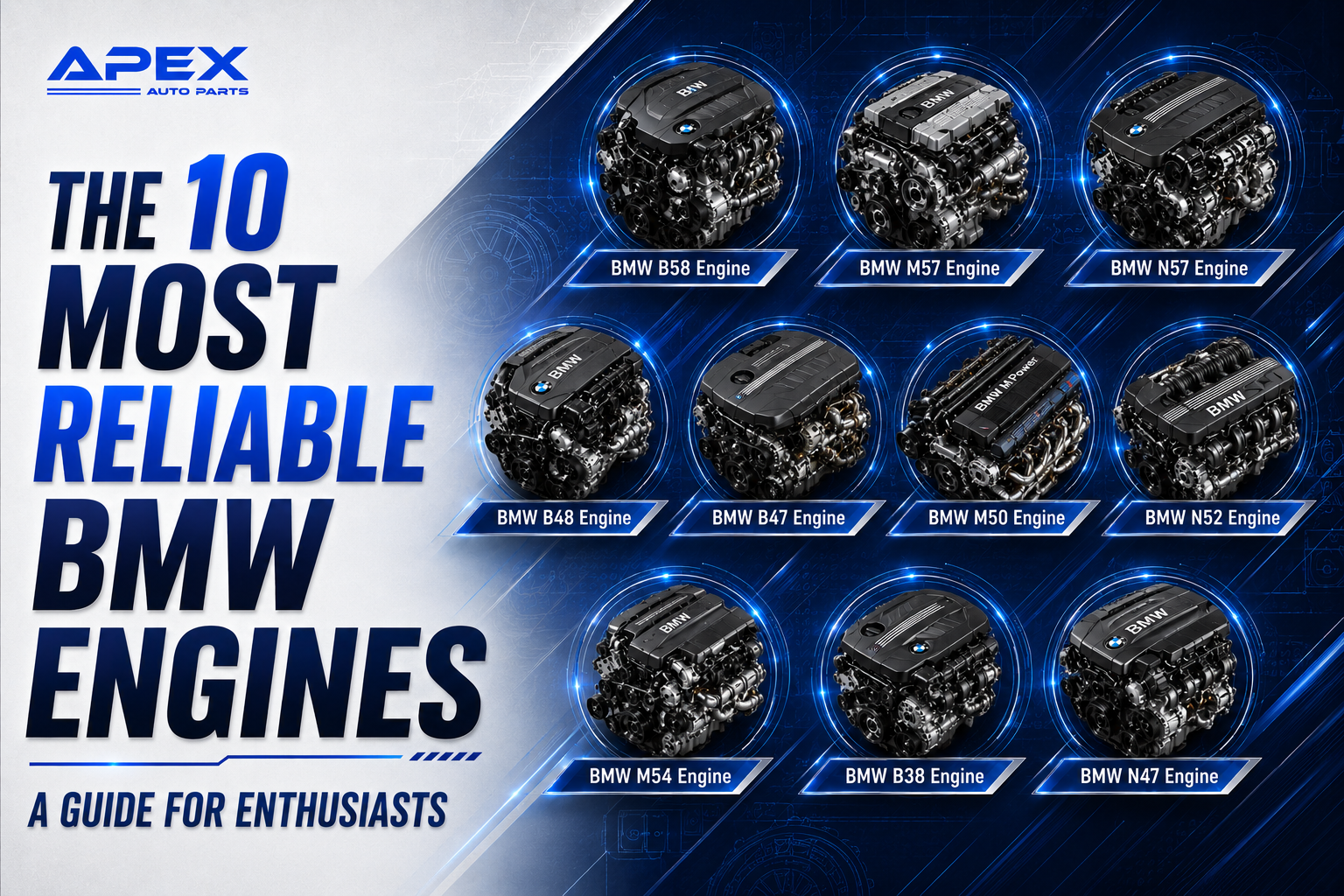
BMW has made many engines that drivers still love today. Some are known for smooth power. Some are known for strong diesel torque. Some are popular because they can last a long time when serviced properly. But when people ask for the most reliable BMW engine, the answer is not always simple.
An engine is not reliable only because of its name. It also depends on oil changes, cooling care, driving style, repair history, fuel quality, and the parts used during servicing. A strong engine can fail early if it is ignored. A weaker engine can last longer if it has been cared for by a good owner.
This guide looks at 10 BMW engines that are often respected by mechanics, owners, and BMW fans. Some are petrol engines. Some are diesel engines. Some are modern turbo engines. Some are older engines that earned their name through years of real-world use.
At Apex Auto Parts, many BMW owners, garages, and trade buyers search for engine parts for oil leaks, timing faults, gaskets, sensors, pistons, bearings, water pumps, timing kits, and rebuild work. When choosing parts for BMW engines, fitment matters. The engine code, vehicle model, year, and part number should always be checked before buying.
What Makes a BMW Engine Reliable?
A reliable BMW engine is not just one that makes good power. It should also handle daily use, heat, mileage, oil pressure, and repair work without causing constant trouble.
The best engines usually share a few things. They have strong internal parts. They do not suffer from major design problems when serviced well. Parts are available. Mechanics understand them. Common faults can be fixed before they cause major engine damage.
When looking for the most reliable BMW engine, you should think about:
- Service history
- Oil change record
- Cooling system condition
- Timing chain or timing belt condition
- Oil leaks
- Gasket health
- Turbo condition if fitted
- Injector and fuel system health
- Engine code
- Previous repair quality
No engine should be judged by mileage alone. A BMW with 150,000 miles and full service records can be better than one with 70,000 miles and no proof of care.
1. BMW B58 Engine
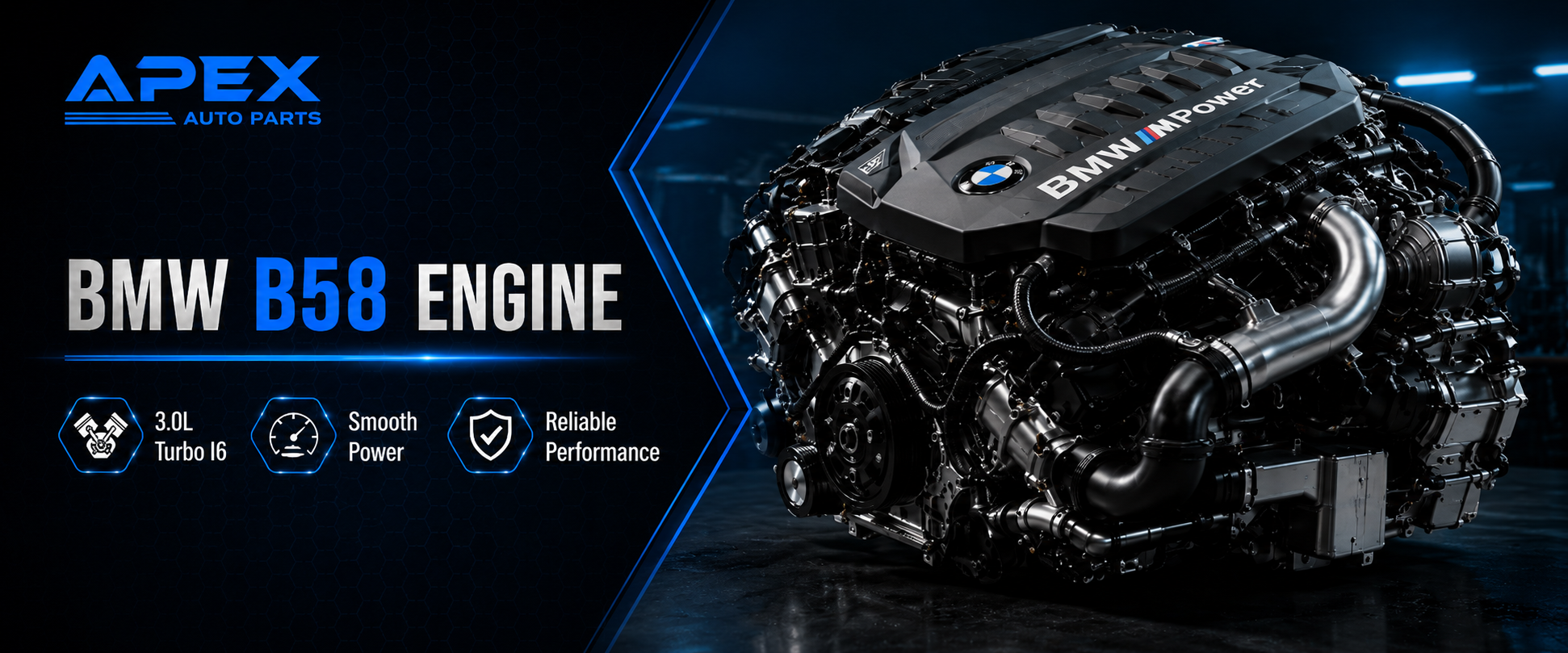
The BMW B58 engine is one of the most respected modern BMW petrol engines. It is a 3.0-litre straight-six turbo engine used in cars like the M340i, M240i, Z4 M40i, X3 M40i, X4 M40i, and the Toyota Supra.
Many BMW fans see the BMW B58 engine as a strong mix of power, smoothness, and daily reliability. It delivers strong torque at low revs, pulls hard at higher speeds, and still feels calm in normal traffic. That balance is one reason daily drivers and tuning fans love it.
BMW also highlighted the B58 when a 382 hp version won a Wards 10 Best Engines and Powertrains award, powering models such as the 2020 M340i Sedan, Z4 M40i, X3 M40i, and X4 M40i.
The BMW B58 engine is not trouble-free. It can still suffer from coolant leaks, oil leaks, PCV issues, ignition problems, and cooling system wear as it ages. But compared with many other modern turbo engines, it has a strong name.
For buyers, service history matters more than shiny engine covers. Look for regular oil changes, clean coolant, no warning lights, no rough idle, and no signs of poor tuning.
2. BMW M57 Engine
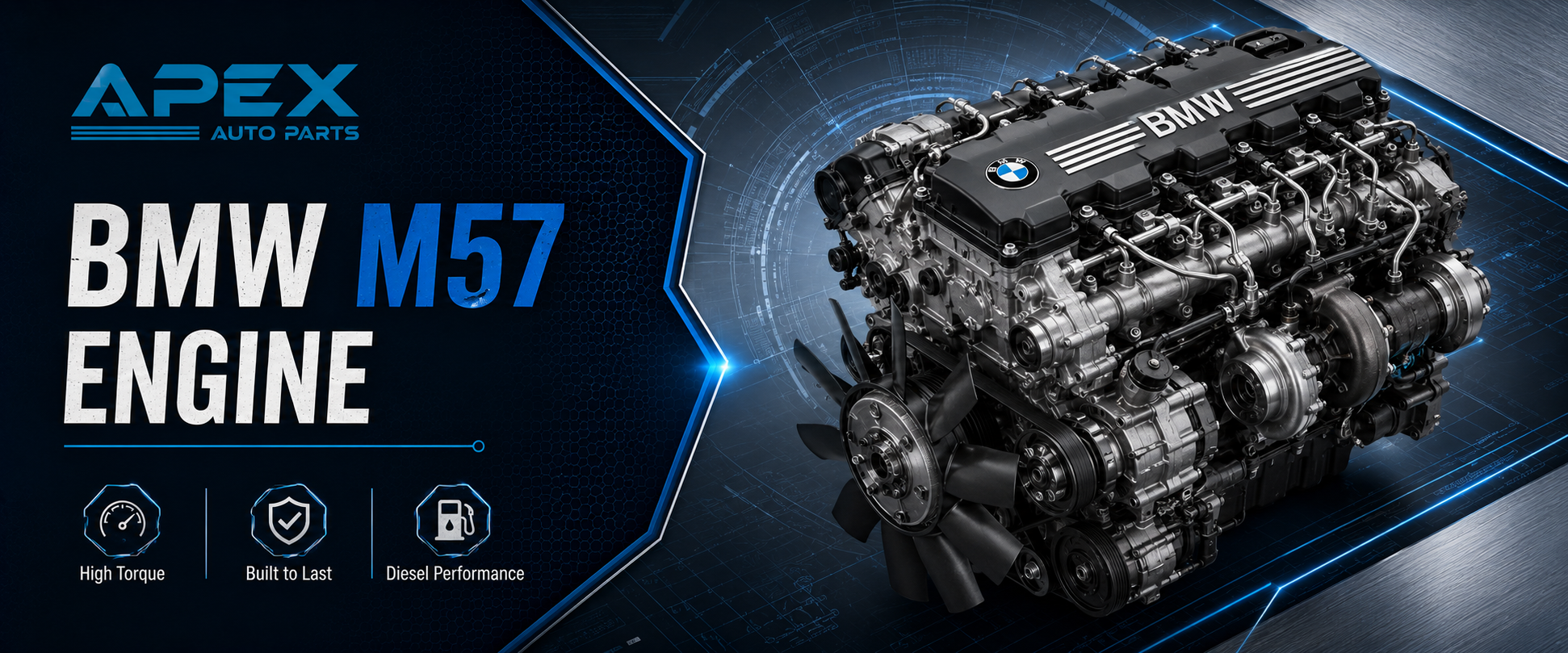
The BMW M57 engine is one of the most loved BMW diesel engines. It is a 3.0-litre straight-six diesel known for strong torque, long life, and solid pulling power. Many drivers still praise it for its ability to handle high mileage when serviced well.
The BMW M57 engine was used in many BMW models, including versions of the 3 Series, 5 Series, X3, X5, and other diesel models. It is especially popular with drivers who make long motorway trips, tow, and use it heavily daily.
This engine is often seen as one of the strongest diesel choices because it has a tough feel and good parts support. It can be a good option for people who want a diesel BMW that feels powerful without needing to be pushed hard.
Still, the BMW M57 engine needs proper care. Swirl flaps, injectors, turbo wear, EGR faults, glow plugs, crankcase breathers, oil leaks, and cooling parts should be checked. A high-mileage example can still be good, but only if it has been maintained properly.
If someone asks for the most reliable BMW engine in diesel form, many mechanics will place the BMW M57 engine near the top of the list.
3. BMW N57 Engine
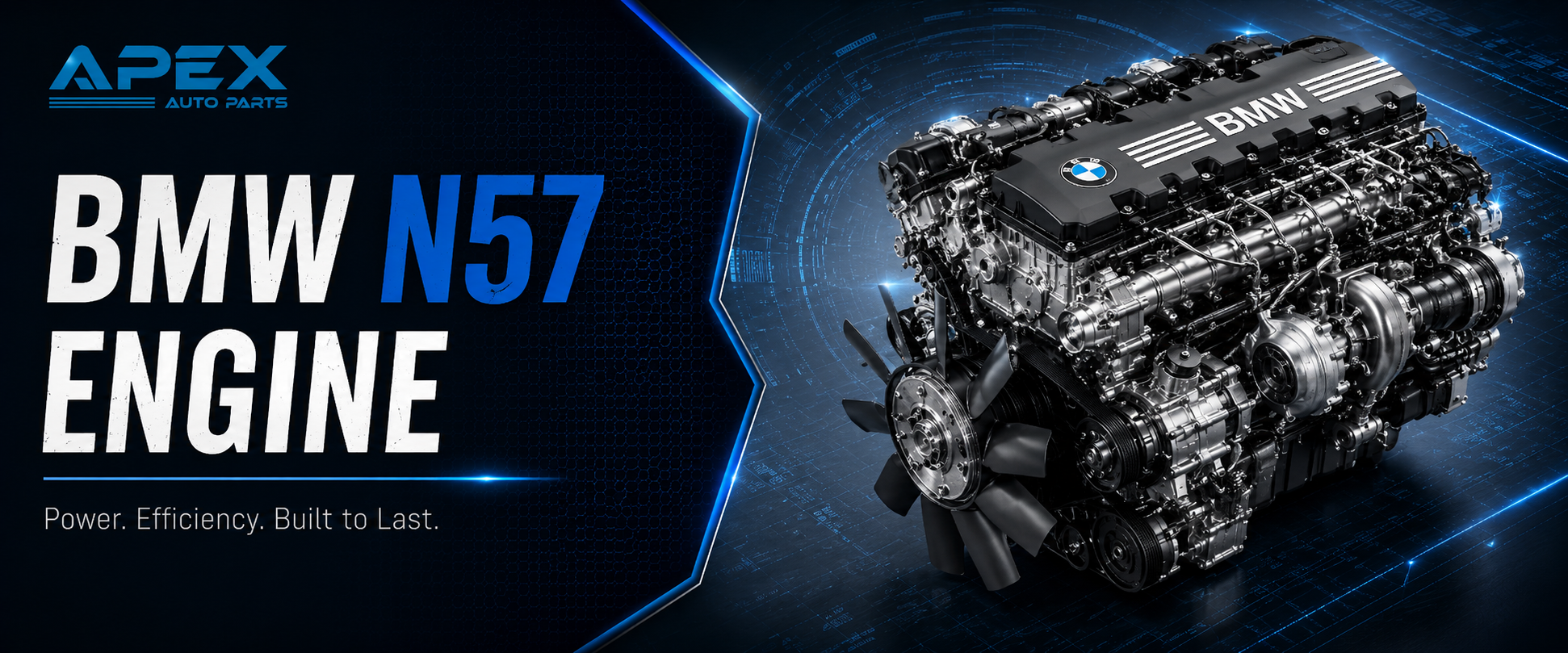
The BMW N57 engine came after the M57 and carried on BMW’s strong straight-six diesel story. It is smoother and more modern, with strong torque and better emissions control than older diesel units.
This engine was used in many BMW diesel models, including the 3 Series, 5 Series, 7 Series, X3, X5, and X6 versions. Some high-output versions used advanced turbo setups. BMW described the N57S as an M Performance six-cylinder diesel engine, and the later M550d x Drive used a powerful multi-stage turbo diesel setup.
The BMW N57 engine can be a great long-distance engine. It feels smooth, strong, and relaxed on the motorway. It is also popular with drivers who want performance and fuel economy in one package.
But it is more complex than the BMW M57 engine. Timing chains, EGR coolers, injectors, turbos, DPF systems, and oil leaks need attention. BMW also issued a recall notice for certain N47 and N57 diesel vehicles due to EGR cooler concerns, so checking the recall history is wise when buying used.
A well-cared-for BMW N57 engine can be reliable, but a neglected one can become expensive. This engine rewards good servicing.
4. BMW B48 Engine
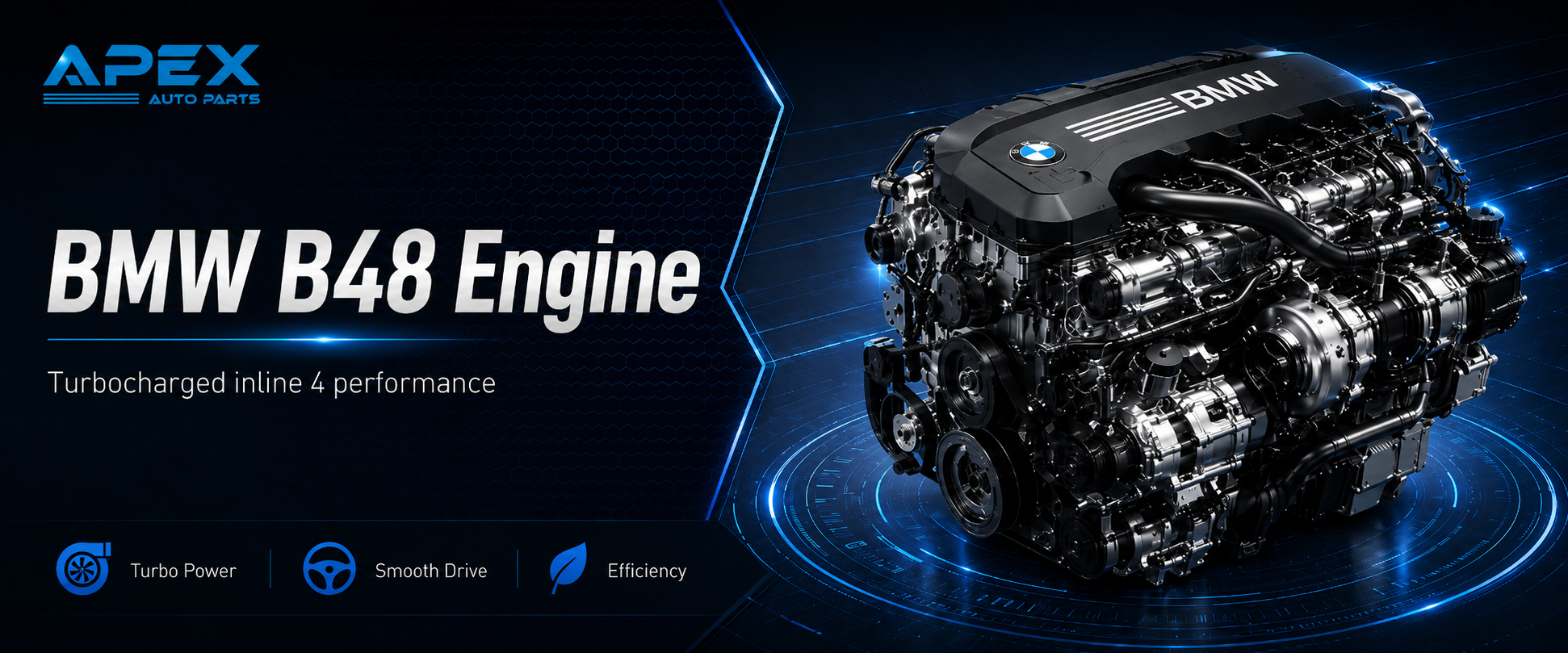
The BMW B48 engine is a modern 2.0-litre four-cylinder petrol turbo engine. It replaced older BMW four-cylinder petrol engines and is used in many models, including 1 Series, 2 Series, 3 Series, 4 Series, X1, X2, X3, MINI models, and others.
The BMW B48 engine is popular because it gives good power without feeling too heavy on fuel. It is smoother than many older four-cylinder engines and works well in daily driving. BMW officially lists the B48 as a Twin Power Turbo four-cylinder petrol engine.
For many drivers, the BMW B48 engine is a sensible petrol choice. It provides enough power for normal roads, is easier to maintain than larger performance engines, and has widely available parts.
Common issues can include coolant leaks, oil filter housing concerns, timing-related wear, ignition faults, and turbo-related problems as mileage rises. These are not reasons to avoid it, but they are reasons to inspect carefully.
If you want a newer BMW petrol car that is not too costly to run, the BMW B48 engine can be a good choice.
5. BMW B47 Engine
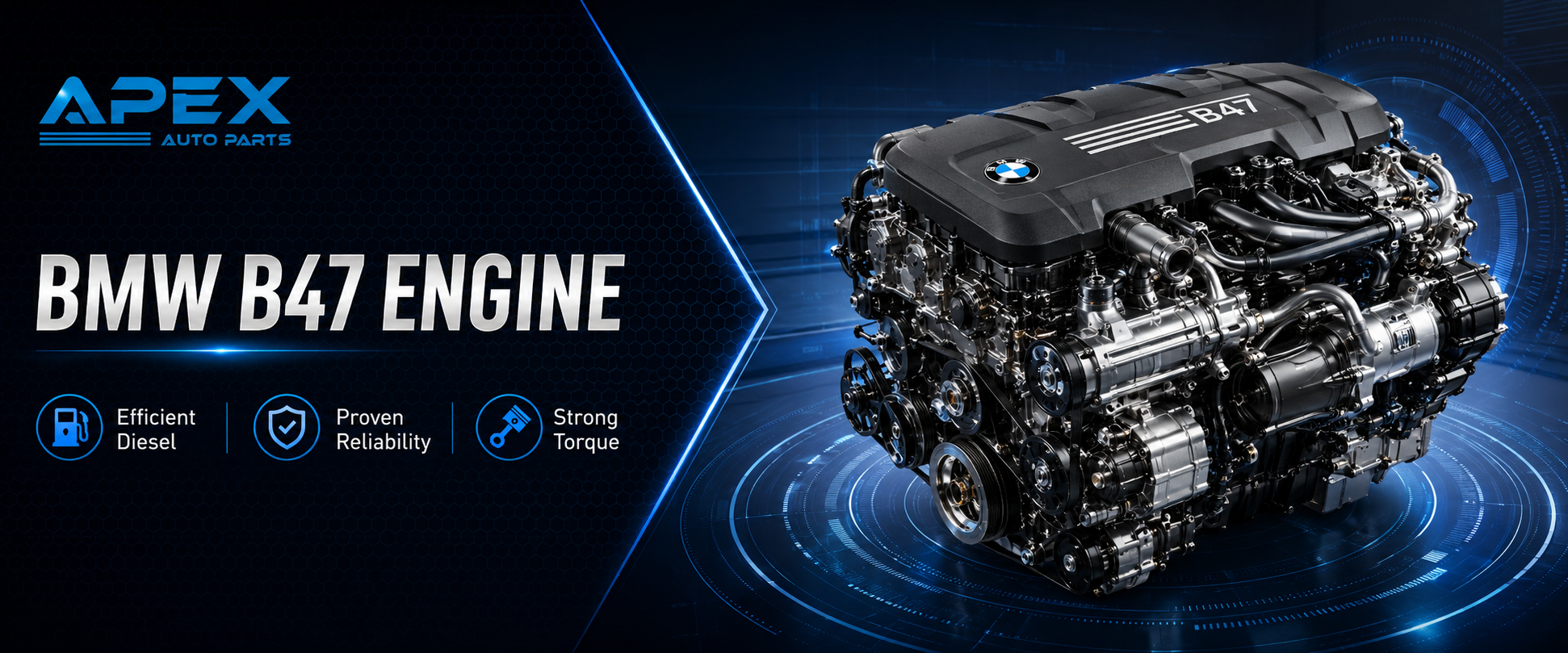
The BMW B47 engine is a modern 2.0-litre four-cylinder diesel engine. It replaced the older BMW N47 engine in many models and is generally considered a more developed engine.
The BMW B47 engine is used in cars like the 1 Series, 2 Series, 3 Series, 5 Series, X1, X3, and other BMW diesel models. BMW describes the B47 as a Twin Power Turbo four-cylinder diesel engine in its 3 Series material.
This engine is good for drivers who want fuel economy, strong low-speed pull, and good motorway comfort. It is often found in cars used for long trips, work travel, and daily driving.
The BMW B47 engine still needs proper service. Diesel engines can suffer from DPF blockage, EGR issues, turbo wear, injector problems, oil leaks, and timing chain concerns if ignored. But compared with the older BMW N47 engine, many buyers see the B47 as the safer modern diesel choice.
If you are buying a BMW 1 Series engine in diesel form, the BMW B47 engine is often worth looking for, especially if the service history is strong.
6. BMW M50 Engine
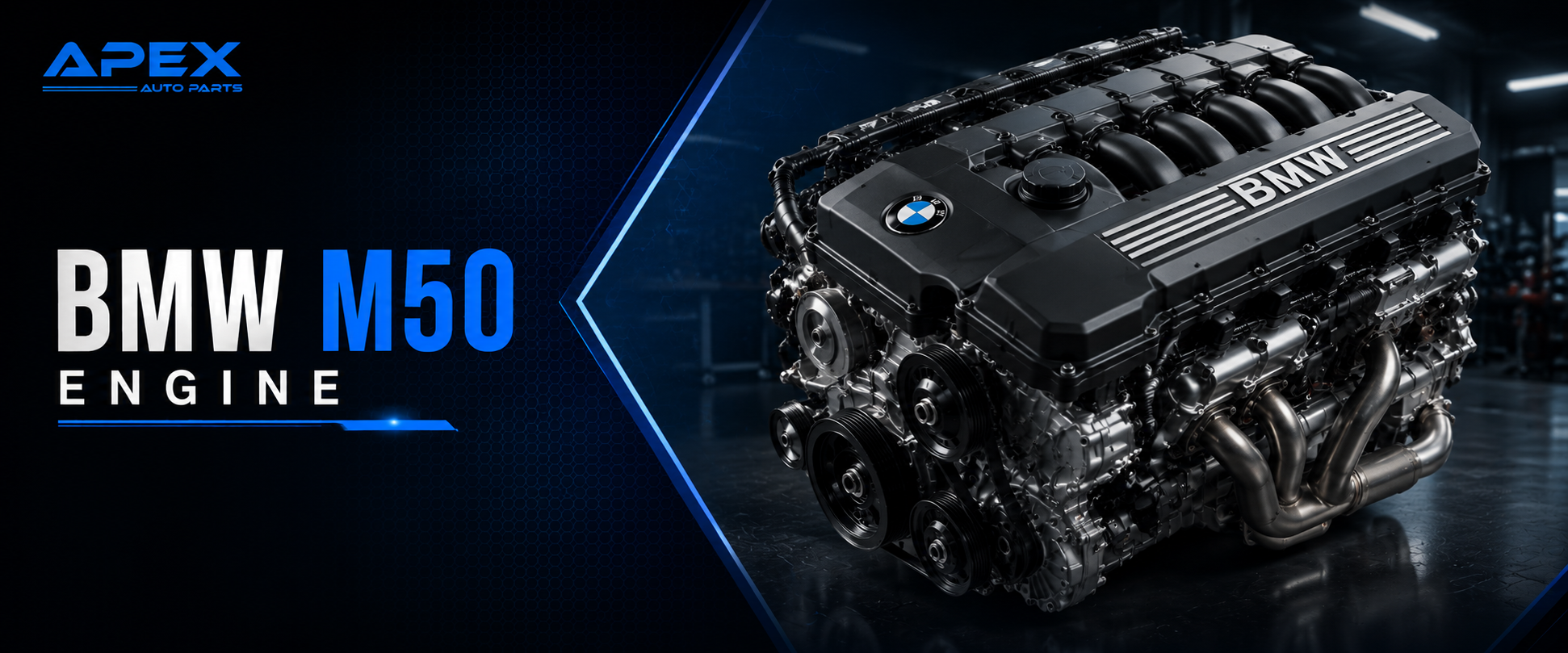
The BMW M50 engine is one of BMW’s classic straight-six petrol engines. It came from an era when BMW engines were simpler than many modern turbo units. Many enthusiasts still respect it because it is strong, smooth, and easier to work on than newer engines.
The BMW M50 engine was used in models such as the E34 5 Series and E36 3 Series. It helped build BMW’s name for smooth straight-six petrol engines. It is not the newest or fastest engine on this list, but it has a strong reputation for lasting well.
A well-maintained BMW M50 engine can handle high mileage. It is popular for older BMW builds, track projects, and classic BMW ownership. It also has good support from the enthusiast world.
Common checks include cooling system health, oil leaks, vacuum leaks, sensors, crankcase ventilation, and old rubber hoses. Age is often the real problem now. The engine design may be strong, but old parts can still fail.
For classic BMW fans, the BMW M50 engine is one of the most trusted petrol engines.
7. BMW N52 Engine
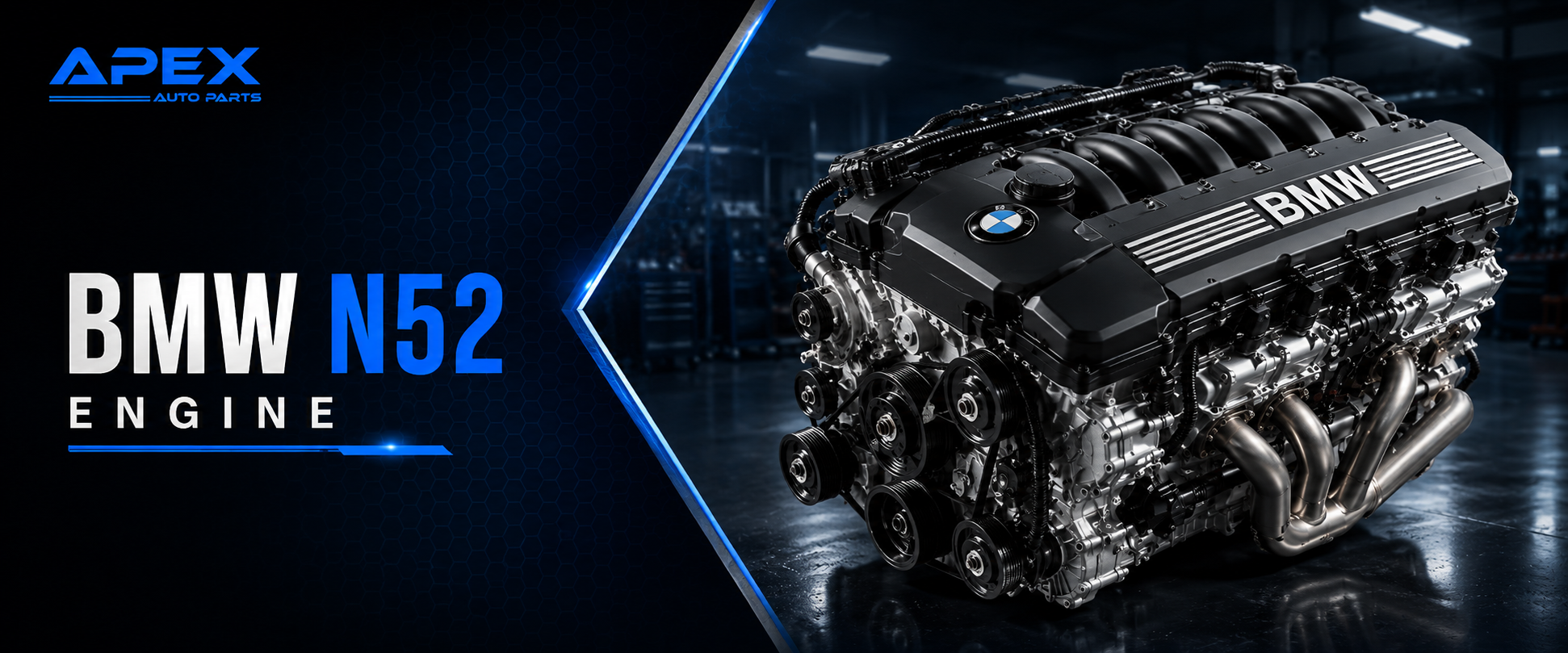
The BMW N52 engine is another strong straight-six petrol engine. It is naturally aspirated, which means it does not use a turbocharger. Many owners like it because it feels smooth, revs nicely, and avoids some of the heat and boost-related problems found in turbo engines.
The N52 was used in many 1 Series, 3 Series, 5 Series, X3, X5, and Z4 models. It is often regarded as one of the last great non-turbo BMW straight-six engines.
This engine is not perfect. It can have electric water pump failure, oil filter housing leaks, valve cover gasket leaks, VANOS issues, and sensor problems. But these faults are usually known, and many can be repaired before they cause major damage.
The N52 is a good choice for drivers who want a smooth petrol BMW without turbo complexity. It may not have the tuning power of the BMW B58 engine, but it can be a very enjoyable and reliable engine for daily use.
For many petrol BMW buyers, the N52 is one of the safest used choices if the cooling system and oil leaks have been handled.
8. BMW M54 Engine
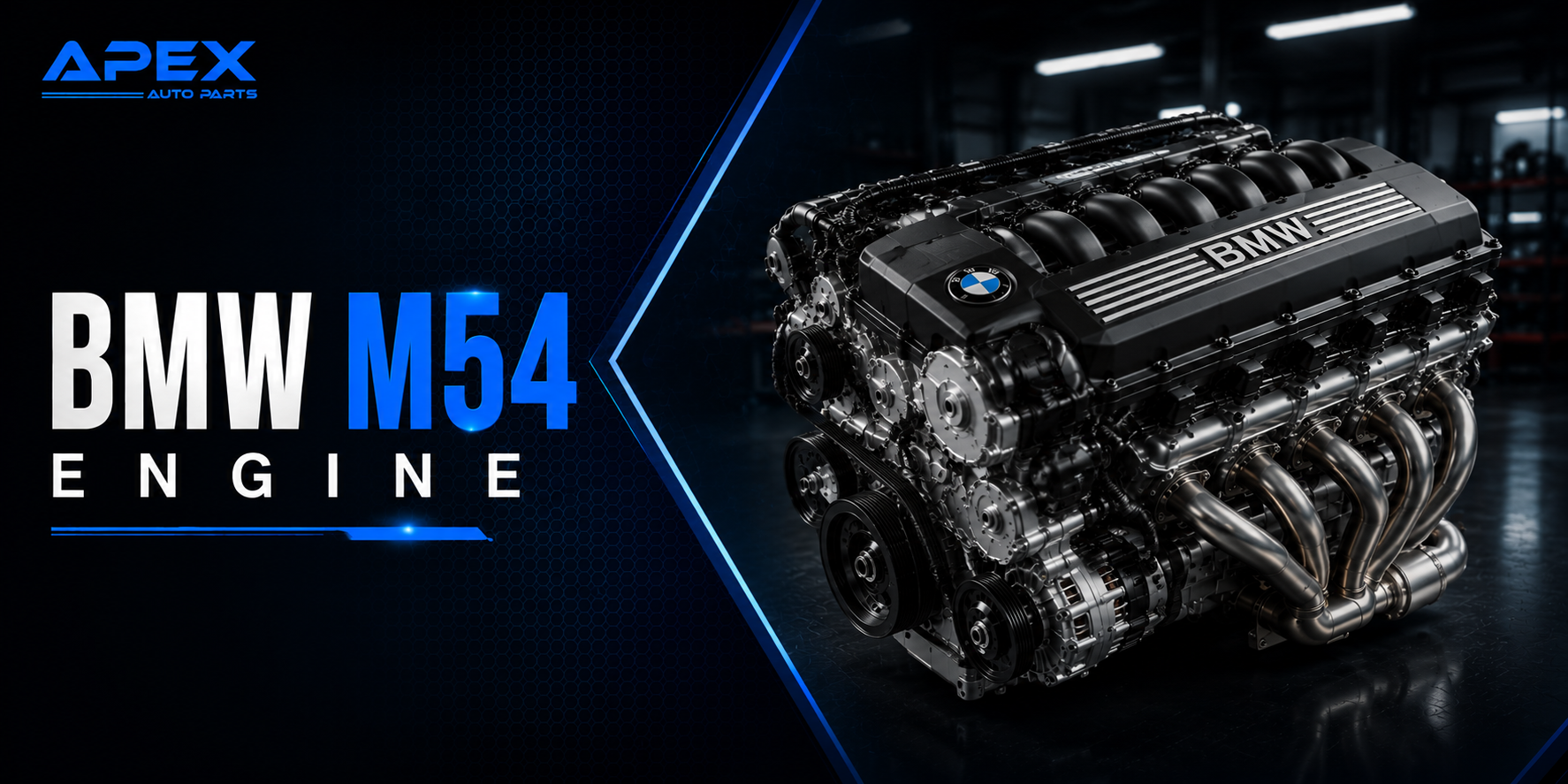
The BMW M54 engine is another beloved straight-six petrol engine. It was used in many E46, E39, E60, X3, X5, and Z4 models. It is smooth, simple by modern standards, and well known by BMW mechanics.
The M54 is not as modern as the BMW B58 engine, but it has a strong reputation for longevity with regular servicing. Many older BMWs with this engine are still on the road because the basic design is strong.
Common issues include oil leaks, cooling system wear, DISA valve problems, crankcase ventilation faults, and old rubber hoses. These problems are normal for older cars and should be expected during ownership.
The M54 is a good engine for people who enjoy older BMWs and do not mind maintenance. It is not a buy-and-forget engine. It needs care, but it rewards owners with smooth power and strong character.
If you want an older petrol BMW, the M54 is still one of the best engines to consider.
9. BMW B38 Engine and BMW i8 Engine
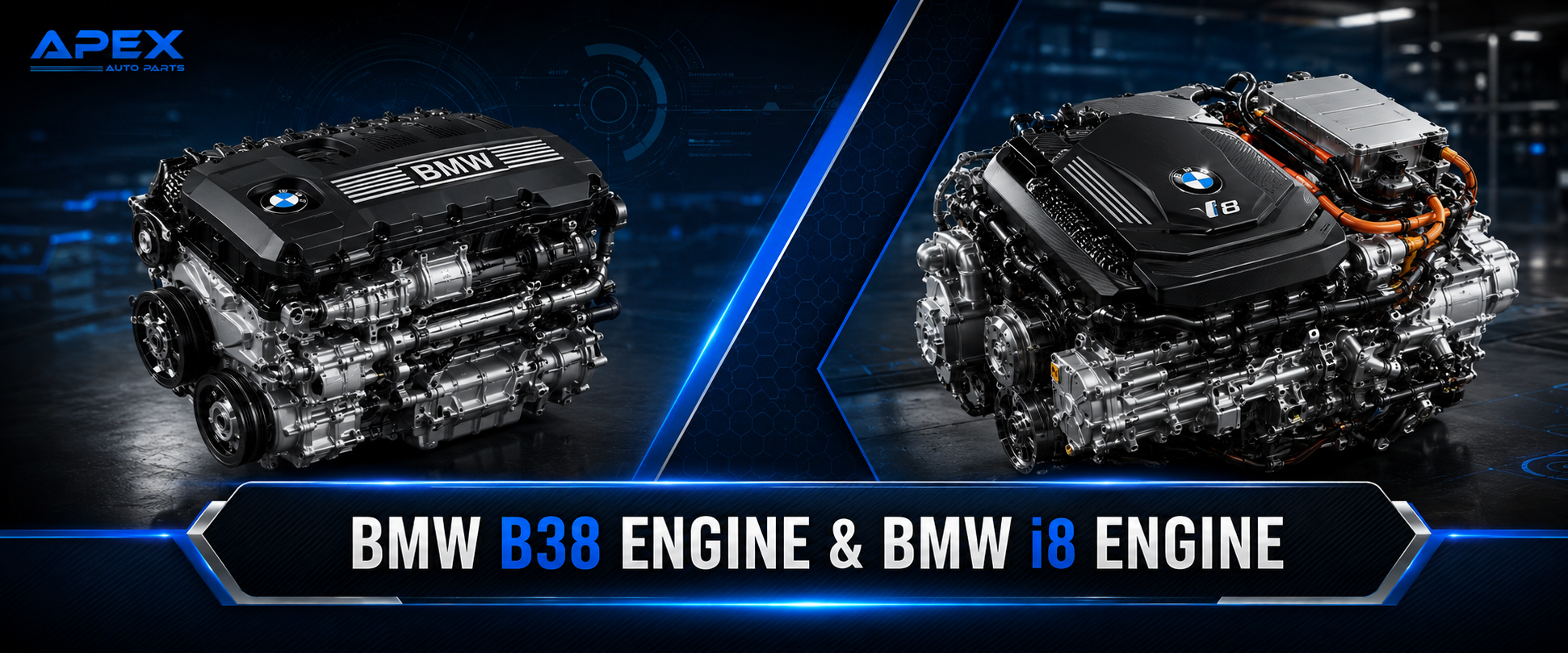
The BMW B38 engine is a small three-cylinder petrol turbo engine. It is used in several BMW and MINI models. Some people are surprised to see it on a reliability list because it is smaller than traditional BMW engines. But when used properly and serviced on time, it can be a smart and efficient engine.
The BMW i8 engine is based around a 1.5-litre three-cylinder petrol engine with BMW Twin Power Turbo technology, working with an electric motor in a plug-in hybrid setup. BMW listed the i8 Roadster and i8 Coupe with a 1,499 cc three-cylinder petrol engine producing 170 kW (231 hp), supplemented by electric drive.
The BMW i8 engine is not like a normal BMW engine. It works as part of a hybrid system. This means the full car needs proper checks, not just the petrol engine. Cooling, battery health, hybrid system condition, and service records all matter.
The BMW B38 engine can be a good choice for smaller models, including some BMW 1 Series models. It is not built for huge power, but it can be efficient and dependable when maintained.
Common checks include oil changes, coolant leaks, timing chain condition, turbo health, and service history. Small turbo engines do not like poor oil care.
10. BMW N47 Engine
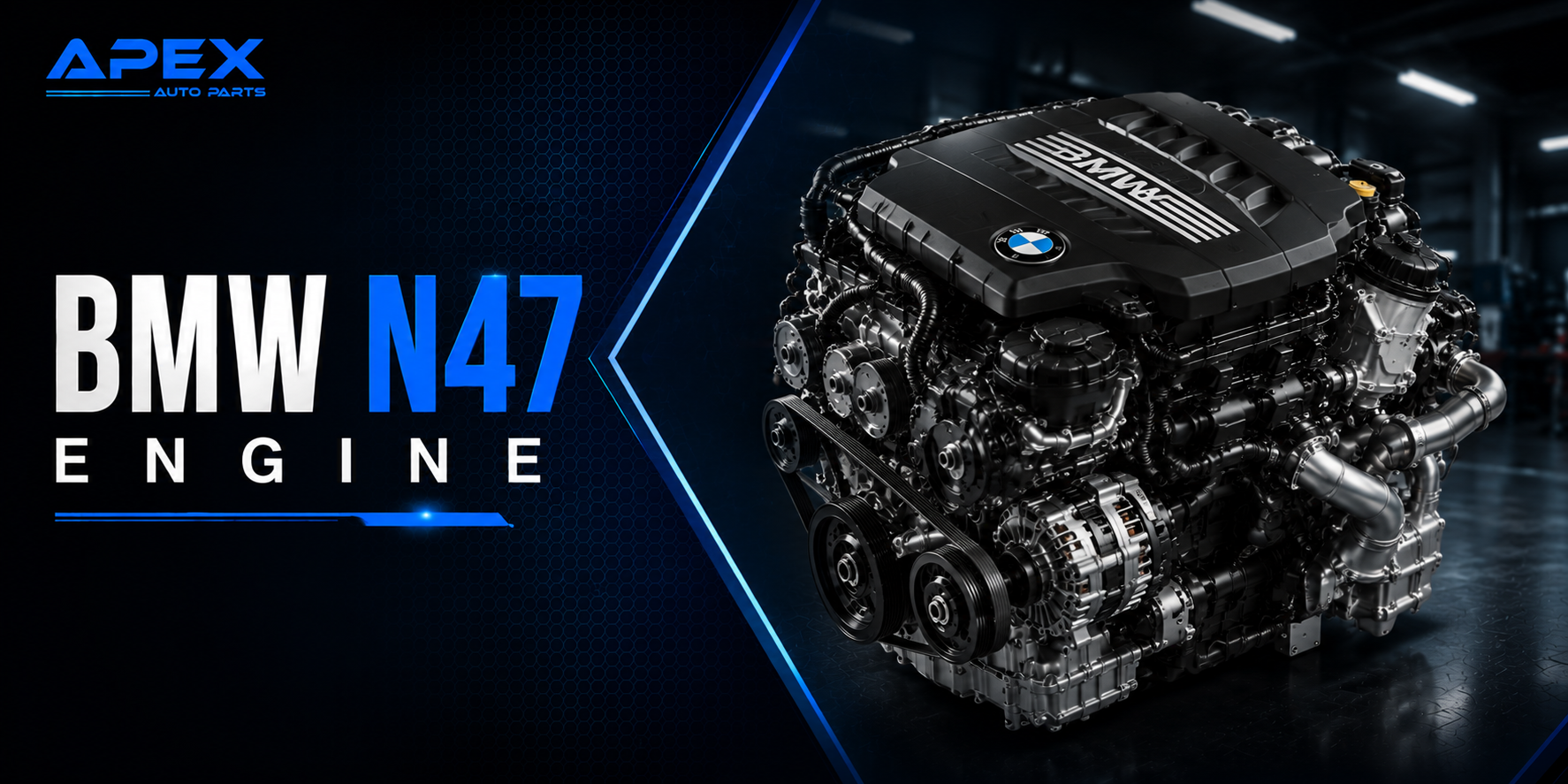
The BMW N47 engine is a 2.0-litre four-cylinder diesel engine used in many BMW models, including 1 Series, 3 Series, 5 Series, X1, X3, and others. It is common, fuel-efficient, and can drive very well.
But this engine needs an honest warning. The BMW N47 engine is known by many owners and mechanics for timing chain concerns, especially on poorly serviced or earlier examples. That does not mean every BMW N47 engine is bad. Many have covered high mileage. But it is an engine where service history and timing chain checks matter a lot.
If the chain is noisy, stretched, or ignored, repair costs can become serious. If the engine has been well maintained, has had timing work done when needed, and shows no warning signs, it can still be a useful diesel engine.
When buying a used car with a BMW N47 engine, listen for chain rattle, check service records, look for EGR and DPF issues, and make sure the oil has been changed properly. Do not buy only because the car is cheap.
Compared with the BMW B47 engine, the BMW N47 engine needs more caution. It can be reliable, but it is not the easiest choice for buyers who want low risk.
Best BMW 1 Series Engine Choices
The BMW 1 Series engine range has included many petrol and diesel options over the years. Some are great for the economy. Some are better for performance. Some need careful checks before buying.
For newer petrol cars, the BMW B48 engine can be a strong choice if you want good power. For smaller petrol cars, the BMW B38 engine can be fine if you want lower running costs. For diesel buyers, the BMW B47 engine is often a better choice than the older BMW N47 engine, mainly because it is newer and generally seen as a safer development.
If you are buying a used 1 Series, do not focus only on the badge. Check the exact BMW 1 Series engine code. Look at service records. Check for oil leaks, coolant leaks, timing noise, smoke, rough idle, and warning lights.
A good BMW 1 Series engine is one that matches your use. Short city trips may suit petrol better. Long motorway driving may suit diesel better. The best choice depends on your driving, not just the engine name.
Which One Is the Most Reliable BMW Engine?
If you want the most reliable BMW engine in modern petrol form, the BMW B58 engine is one of the strongest answers. It has smooth power, good tuning support, and a strong owner reputation when serviced correctly.
If you want the most reliable BMW engine in diesel form, the BMW M57 is often considered one of the best choices. It is strong, torquey, and well known for lasting when cared for.
If you want an older petrol engine, the BMW M50 engine, M54, and N52 are all strong choices. They are simpler than many modern engines and have a loyal base of owners.
But the real answer is this. The most reliable BMW engine is the one with the best service history, correct parts, and no ignored faults. A neglected B58 can fail. A well-cared-for older M54 can still run beautifully.
How Apex Auto Parts Helps BMW Owners?

BMW engines need the correct parts. A gasket, sensor, bearing, oil pump, timing kit, water pump, piston ring, or crankshaft part must match the exact engine. This is especially true with BMW engines, because one model can have several engine codes and part variations.
Apex Auto Parts supports UK drivers, garages, mechanics, and trade buyers with engine parts for repair, maintenance, and rebuild work. If you are repairing a BMW B58 engine, BMW M57 engine, BMW N57 engine, BMW B48 engine, BMW B47 engine, BMW B38 engine, BMW i8 engine, BMW N47 engine, or BMW M50 engine, it is important to check fitment before buying.
Wrong parts can delay repair work and increase labor costs. Good parts and correct fitting help the repair last longer.
Final Thoughts
BMW has built many strong engines, but no engine stays reliable without care. The best BMW engines are those that combine strong design with proper maintenance, correct parts, and early repairs.
The BMW B58 engine is one of the best modern petrol choices. The BMW M57 engine is one of the strongest diesel choices. The BMW N57 engine gives smooth diesel power but needs careful servicing. The BMW B48 engine and BMW B47 engine are strong modern options for daily driving. The BMW M50, M54, and N52 engines are respected older petrol engines. The BMW B38 engine and BMW i8 engine show that small engines can still be smart when used properly. The BMW N47 engine can work well, but it needs more caution.
If you are searching for the most reliable BMW engine, do not choose by name alone. Check the car, service history, engine code, and repair records. A good engine with poor care can become expensive. A well-cared-for engine can last for years.
FAQs - Reliable BMW Engines
1. What is the most reliable BMW engine?
The most reliable BMW engine depends on whether you choose petrol or diesel. Many owners rate the BMW B58 engine highly for modern petrol cars and the BMW M57 engine highly for diesel cars. Service history matters most. Even the best engine can fail if oil changes, cooling checks, and repairs are ignored.
2. Is the BMW B58 engine reliable?
Yes, the BMW B58 engine is widely seen as one of the best modern BMW petrol engines. It offers strong power, smooth driving, and good tuning support. It still needs proper oil changes, coolant care, spark plugs, and leak checks to stay reliable over long mileage.
3. Is the BMW M57 engine better than the BMW N57 engine?
The BMW M57 engine is often seen as tougher and simpler, while the BMW N57 engine is smoother, newer, and more refined. Both can be reliable with good maintenance. The N57 has more emissions and turbo-related systems, so inspection and service history are very important.
4. Is the BMW N47 engine reliable?
The BMW N47 engine can be reliable when properly serviced, but it is known for timing chain issues. Buyers should check for chain noise, repair history, oil service records, DPF issues, and EGR faults. It is not an engine to buy blindly just because the car is cheap.
5. Is the BMW B47 engine better than the BMW N47 engine?
The BMW B47 engine is generally seen as a better-developed replacement for the BMW N47 engine. It still needs oil changes, DPF health checks, and timing checks, but many buyers prefer it for a used diesel BMW. A clean service history is still the key point.
6. Is the BMW B48 engine good for daily driving?
Yes, the BMW B48 engine is a good daily petrol engine. It offers enough power, good fuel economy, and wide parts support. It can suffer from coolant and oil leaks, as well as ignition issues, as it ages, so regular checks and quality parts are important.
7. What is the best BMW 1 Series engine?
The best BMW 1 Series engine depends on how you drive. For petrol, the BMW B48 engine is strong, while the BMW B38 engine can be efficient for lighter use. For diesel, the BMW B47 engine is often preferred over the older BMW N47 engine.
8. Is the BMW i8 engine reliable?
The BMW i8 engine can be reliable when serviced properly, but it is part of a hybrid system. Buyers should check the petrol engine, cooling system, electric motor, battery health, and service records. It is not like a normal petrol BMW, so specialist checks are wise.
9. Why do enthusiasts like the BMW M50 engine?
Enthusiasts like the BMW M50 engine because it is a strong, old-school straight-six petrol engine. It is smooth and simple compared with modern turbo engines, and it has good tuning and repair support. Age-related parts like hoses, gaskets, sensors, and cooling parts still need attention.
10. Which BMW engines should I avoid without a service history?
Avoid any BMW engines with no proof of service, oil leaks, coolant loss, timing noise, smoke, rough idle, or warning lights. This is especially important for the BMW N47 engine, turbocharged diesel engines, and high-power petrol engines. A cheap BMW can become expensive quickly without records.
References: