
 info@apexautoparts.co.uk
 +44 203 915 7535
 Safe & Fast Shipping
 Whish List
 Compare
 Sign In



The BMW 2 Series can be a very enjoyable car to own because it offers strong performance, sharp handling, and a wide choice of engines. However, like any modern car, it needs regular maintenance to stay reliable as mileage increases. Many expensive repairs do not start as major failures. They often begin with a small oil leak, a weak cooling part, a worn ignition component or a warning light that has been ignored for too long.
BMW has offered the 2 Series in several forms and with different engines, so there is no single list of faults that applies to every vehicle. A BMW 2 Series Coupe, Gran Coupe and performance model may use different engines, gearboxes and drive systems. Current UK examples show this clearly. The 220i Coupe uses a 1,998 cc four-cylinder petrol engine producing 184 hp, while the current 220 Gran Coupe uses a 1,499 cc three-cylinder petrol engine with 48-volt mild hybrid assistance and a combined output of 170 hp.
This means BMW 2 Series engine problems should always be judged based on the exact model, engine, age, and service history. A fault that may appear on an older turbo petrol model may have little relevance to a newer mild hybrid version. The same applies when buying BMW 2 Series engine parts because ordering by model name alone can easily result in the wrong component.
The good news is that many common problems can be reduced or caught early through sensible maintenance. BMW itself includes engine oil servicing, air filters, petrol spark plugs, diesel fuel filters and vehicle checks within its official service programme, which shows how important routine servicing remains for long-term vehicle health.
Below are ten problem areas worth watching, along with practical ways to reduce the chance of an expensive repair.
1. Engine Oil Leaks
Oil leaks are one of the first things worth checking on any used BMW 2 Series, especially as the vehicle becomes older. Modern BMW engines contain several seals, covers and joints that can begin to leak after years of heating and cooling. Rubber sealing materials become harder with age, while repeated temperature changes can eventually allow small amounts of oil to escape.
A small oil leak may begin as nothing more than a damp area around the engine. Owners sometimes ignore this because there is no oil on the driveway and the car still runs normally. The problem is that leaks rarely repair themselves. A minor seep can gradually become a larger leak, and the oil level can eventually fall enough to create a lubrication problem.
Low engine oil can cause serious damage because the internal moving parts rely on a steady supply of oil. Turbocharged engines also depend on oil for turbo lubrication. If the oil level becomes too low, both the engine and turbocharger can be placed under unnecessary stress.
The easiest way to prevent a small leak becoming a major BMW 2-series engine problem is to check the oil level regularly and have any visible leak inspected. Do not wait until a dashboard warning appears before checking the engine.
BMW includes engine oil servicing and oil top-ups within its official Service Inclusive programme, which reinforces the importance of keeping the oil system properly maintained.
If you are buying a used 2 Series, look around the engine bay and underneath the vehicle after a test drive. Fresh oil around covers, pipes or the underside should be investigated before you agree to buy the car.
2. Cooling System Leaks and Overheating
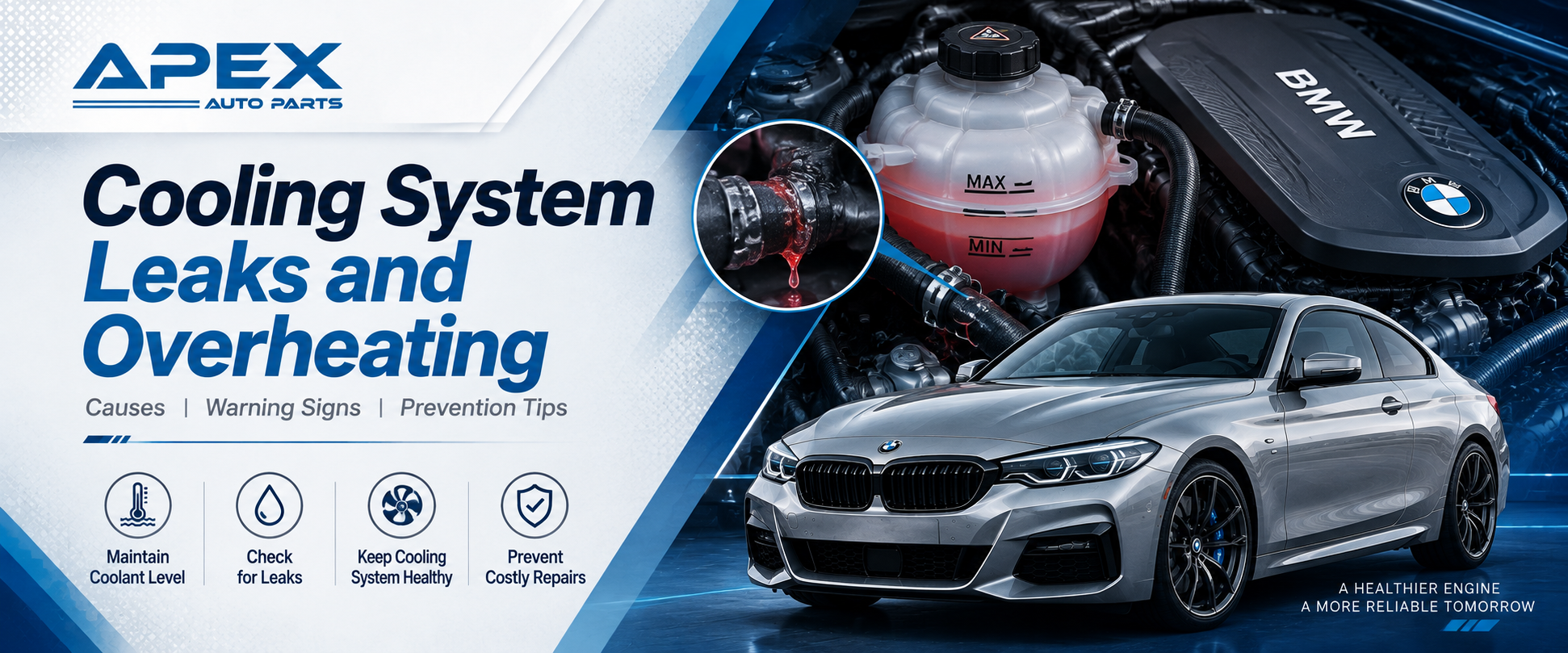
The cooling system is one of the most important systems protecting the BMW 2 Series engine. It controls engine temperature by moving coolant around the engine and through the radiator. If coolant escapes or circulation becomes poor, the engine can become too hot.
Cooling problems may begin with a leaking hose, weak plastic connection, damaged expansion tank, thermostat issue, or another cooling component. The exact parts vary according to the BMW 2 Series engine size and generation, which is why the vehicle must be identified correctly before ordering replacement parts.
One of the most important warning signs is regular coolant loss. If the coolant level keeps falling, there is a reason. Topping it up repeatedly without repairing the leak is not proper maintenance.
An overheating warning should also be treated seriously. Modern engines operate within a carefully controlled temperature range, and continuing to drive when the engine is overheating can turn a cooling system repair into a much more expensive engine job.
Prevention starts with checking the coolant when the engine is completely cold. Look around hoses and connections for dried coolant marks, damp areas, or staining. If you smell coolant after a journey or notice the level dropping, arrange an inspection quickly.
Do not open the coolant system while the engine is hot because the system can be under pressure.
A healthy cooling system is one of the most important parts of maintaining good BMW 2 series engine reliability.
3. Ignition Coil and Spark Plug Problems
Petrol BMW engines rely on spark plugs and ignition coils to create a clean and controlled burn inside each cylinder. As these parts wear, the engine may begin to run roughly.
Common signs can include shaking at idle, hesitation when accelerating, reduced power, or an engine warning light. In some cases, the engine may feel normal at low speed but begin to misfire when more power is requested.
The important thing is not to assume the engine itself has suffered major damage. Worn spark plugs or a faulty ignition coil can create symptoms that feel serious even though the repair may be relatively straightforward.
BMW lists spark plug servicing for petrol vehicles as part of its official service programme when required by the vehicle's service schedule.
The best prevention is to follow the correct servicing schedule rather than waiting until the engine begins misfiring badly. Spark plugs should be replaced at the correct interval for the specific engine, and ignition coils should be tested when a misfire occurs.
Driving for a long period with a serious misfire is not a good idea because poor combustion can place extra strain on other engine and exhaust components.
If you are buying BMW 2 Series engine parts for a misfire, get the affected cylinder diagnosed before ordering several coils or injectors based on guesswork.
4. Turbocharger and Boost Problems
Many BMW 2 Series petrol and diesel engines use turbocharging. The turbo allows a smaller engine to produce stronger power by forcing more air into the engine.
Current 2 Series models continue to use BMW Twin Power Turbo engines, including the 1,998 cc four-cylinder unit in the 220i Coupe and the 1,499 cc three-cylinder engine in the 220 Gran Coupe.
Turbochargers work at very high speeds and temperatures, so proper lubrication and clean engine oil are very important. Poor maintenance can increase wear over time.
Possible turbo-related symptoms include reduced power, unusual whistling, smoke, or poor acceleration. However, these symptoms do not automatically mean the turbocharger itself has failed.
A split intake hose, loose connection, boost sensor fault, or another air leak can create very similar problems.
This is why the first step should be diagnosis rather than buying a new turbo.
Prevention includes regular oil servicing, allowing known faults to be repaired early, and inspecting intake pipes when the vehicle begins losing power. Using the correct grade of engine oil is also important.
If a mechanic confirms that the turbocharger needs replacement, the oil supply and intake system should also be inspected. Installing a new turbo without correcting the original cause can result in another failure.
5. Sensor and Engine Management Problems
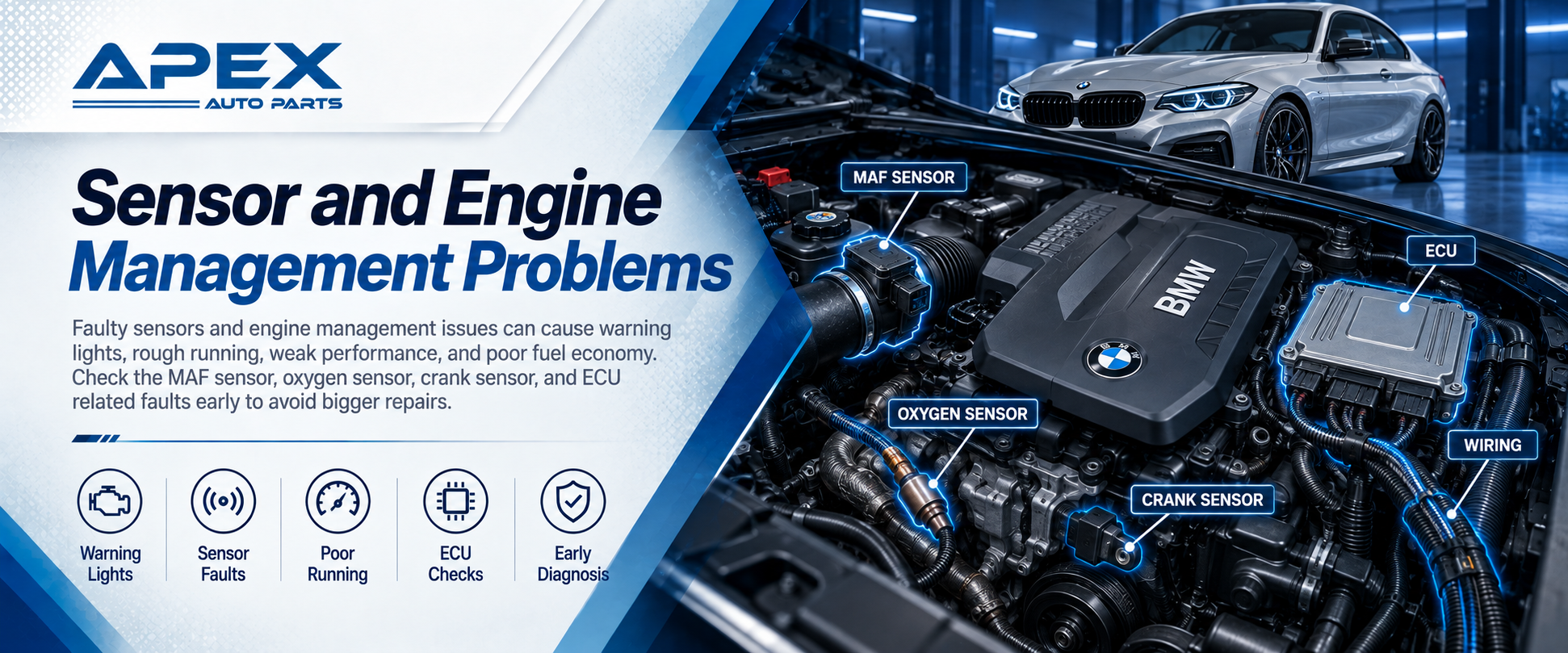
Modern BMW engines use a large number of sensors. These sensors measure air pressure, temperature, engine speed, exhaust conditions, and many other values.
The engine control system uses this information to decide how much fuel to deliver, how to control boost, and how to manage emissions.
If a sensor begins sending incorrect information, the engine may lose power, use more fuel, or show a warning light. The car may also enter a reduced power mode to protect the engine.
One of the biggest mistakes owners make is reading a fault code and immediately buying the component named by the code.
A fault code normally tells the mechanic which system has detected a problem. It does not always prove that one particular part has failed. Damaged wiring, poor connections, air leaks, or other faults can cause a sensor reading to move outside the expected range.
The best prevention is not really about replacing sensors early. It is about investigating warning lights before they become larger problems.
If the engine warning light appears repeatedly, get the car properly scanned and tested.
When ordering BMW 2 series engine parts, provide the VIN and exact engine details wherever possible because different versions may use different sensors even when the cars look almost identical from the outside.
6. Timing System Wear
The timing system controls the relationship between major moving parts inside the engine. It must remain correctly timed for the engine to run properly.
Depending on the exact BMW engine, the timing design and service requirements can differ. This is another reason BMW 2 Series engine options should not all be treated as one engine family.
Timing-related wear can sometimes produce rattling or unusual mechanical noise. In more serious cases, poor timing can affect engine performance.
A timing fault should never be ignored because major failure can cause internal engine damage.
Prevention begins with correct oil servicing because many modern timing systems depend heavily on clean oil and proper oil pressure. Owners should also investigate unusual rattling noises rather than assuming that all engine noise is normal.
When buying a used BMW, start the engine from cold and listen carefully during the first few seconds. If you hear a strong mechanical rattle, arrange a professional inspection before buying.
Service history also matters. A vehicle that has received regular oil changes is generally more reassuring than one with long gaps between services.
7. Fuel Injector and Fuel Delivery Problems
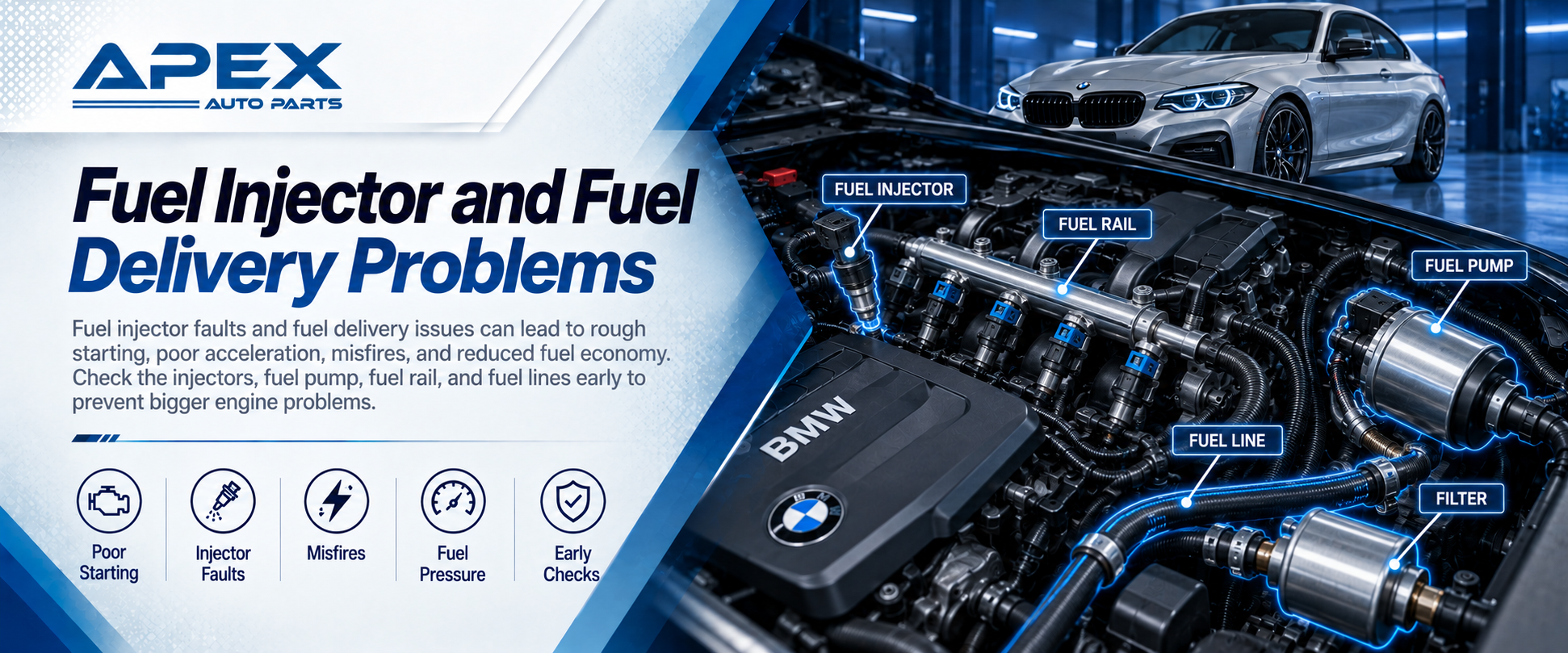
Fuel delivery needs to be very accurate on modern BMW engines. The engine control unit expects the fuel system to supply the correct amount of fuel at the correct pressure.
If an injector or another fuel system part begins to fail, symptoms may include rough idle, difficult starting, hesitation, or poor performance.
It is important to understand that these symptoms can come from several places. A rough engine does not automatically need new injectors.
Ignition faults, air leaks, sensors and fuel pressure problems can all produce similar behavior.
A mechanic should check fault information, fuel pressure and engine behavior before replacing expensive fuel system components.
Prevention includes regular servicing and using the correct fuel for the vehicle. Diesel versions should also have fuel filters serviced when required. BMW includes diesel fuel filter servicing within its official service package according to the relevant maintenance schedule.
If the engine begins taking longer than normal to start, do not wait until it refuses to start completely. Early diagnosis is usually cheaper than waiting for the problem to become severe.
8. Mild Hybrid Electrical Problems on Newer Models
Some newer 2 Series versions use 48-volt mild hybrid technology. The current BMW 220 Gran Coupe, for example, combines a 1,499 cc three-cylinder petrol engine with a small electric motor. BMW lists total system output at 170 hp and total torque at 280 Nm.
This system helps support the combustion engine and improve efficiency, but it also means there are more electrical components involved in the powertrain.
A warning related to the mild hybrid system should therefore not be treated in exactly the same way as a normal engine warning on an older BMW.
The fault could be connected with the combustion engine, electrical assistance, battery system, control unit or wiring.
Prevention mainly comes down to correct servicing and proper diagnosis.
Avoid allowing an inexperienced workshop to replace parts randomly because the electrical system is more complex than a traditional petrol-only setup.
If a mild hybrid warning appears, the vehicle should be checked with diagnostic equipment that can communicate properly with the BMW systems.
This is also an area where correctly matching BMW 2 Series engine parts becomes essential. A component for an older petrol 2-series may have no connection at all with a newer mild hybrid model.
9. Oil Consumption
Oil consumption is different from an external oil leak.
An engine may lose oil because it is leaking outside the engine, or it may use oil internally during operation.
A small amount of oil use can occur between services depending on engine design and driving conditions. The concern begins when the amount becomes unusually high or increases suddenly.
If you need to add oil frequently, the engine should be inspected.
Heavy oil use can be linked with leaks, turbo problems, internal wear or other engine issues.
Blue smoke from the exhaust can sometimes indicate that engine oil is being burnt, although smoke alone should not be used to diagnose the fault.
The best way to prevent oil consumption becoming dangerous is to monitor the oil level rather than waiting for a warning.
If the level keeps falling, record how much oil is being added and how many miles the vehicle has travelled.
That information can help a mechanic understand the seriousness of the problem.
Using the correct oil specification is also important. BMW promotes Original BMW Engine Oil as part of its official servicing system and includes engine oil servicing in its service plans.
10. Poor Maintenance and Incorrect Replacement Parts
One of the most common causes of future problems is not a single BMW component. It is poor maintenance.
An engine that receives correct servicing, good-quality parts and early repairs has a much better chance of lasting well than one that is only repaired after something breaks.
The BMW 2 Series makes correct parts identification especially important because there are several different body styles and engines.
For example, the current BMW 220i Coupe uses a 1,998 cc four-cylinder petrol engine with 184 hp and 300 Nm, while the current BMW 220 Gran Coupe uses a 1,499 cc three-cylinder mild hybrid system producing a combined 170 hp and 280 Nm. The higher-performance Gran Coupe can use a 1,998 cc four-cylinder engine with 300 hp.
This means the BMW 2 Series engine size alone is not enough to identify every component.
Before buying BMW 2 Series engine parts, check the VIN, production year, exact model, engine code, and existing part number when possible.
At Apex Auto Parts, this type of correct identification should happen before the component is supplied. A part that appears visually similar can still have a different connector, specification or calibration.
Using the right part the first time helps reduce wasted workshop labour and avoids repeat repairs caused by low quality or incorrect components.
Understanding BMW 2 Series Engine Options
BMW 2 Series engine options have changed considerably across the life of the model, and current cars show how broad the range has become.
The current 220i Coupe sold in Great Britain uses a 1,998 cc four-cylinder petrol engine producing 184 hp and 300 Nm. It uses an eight-speed automatic gearbox and rear-wheel drive.
The current 220 Gran Coupe uses a smaller 1,499 cc three-cylinder petrol engine with a 48-volt mild hybrid system. BMW lists the combined output at 170 hp and 280 Nm, with a seven-speed automatic gearbox and front-wheel drive.
At the performance end, BMW also offers much stronger engines. Current technical information for the M240i lists a 2,998 cc six-cylinder petrol engine with mild hybrid assistance and all-wheel drive.
These differences show why a general search for "BMW 2 Series engine" is not enough when repairing a car.
Two vehicles may both carry a 2 Series badge while needing completely different filters, sensors, ignition parts, cooling components or engine hardware.
Does BMW 2 Series Engine Size Affect Reliability?
The BMW 2 series engine size can affect performance and the type of parts fitted, but size alone does not decide whether an engine will be reliable.
A larger engine is not automatically more reliable, and a smaller engine is not automatically weaker.
Maintenance history is usually far more important.
A carefully serviced turbocharged engine can remain healthy for many miles, while a neglected engine can develop expensive faults much earlier.
Driving style also matters. A vehicle that is constantly driven hard before the engine reaches normal operating temperature may experience more wear than a vehicle driven carefully and serviced properly.
When comparing used cars, look beyond the engine capacity.
Check oil service records, warning lights, coolant condition, repair invoices, and the overall quality of previous maintenance.
How to Improve BMW 2 Series Engine Reliability?
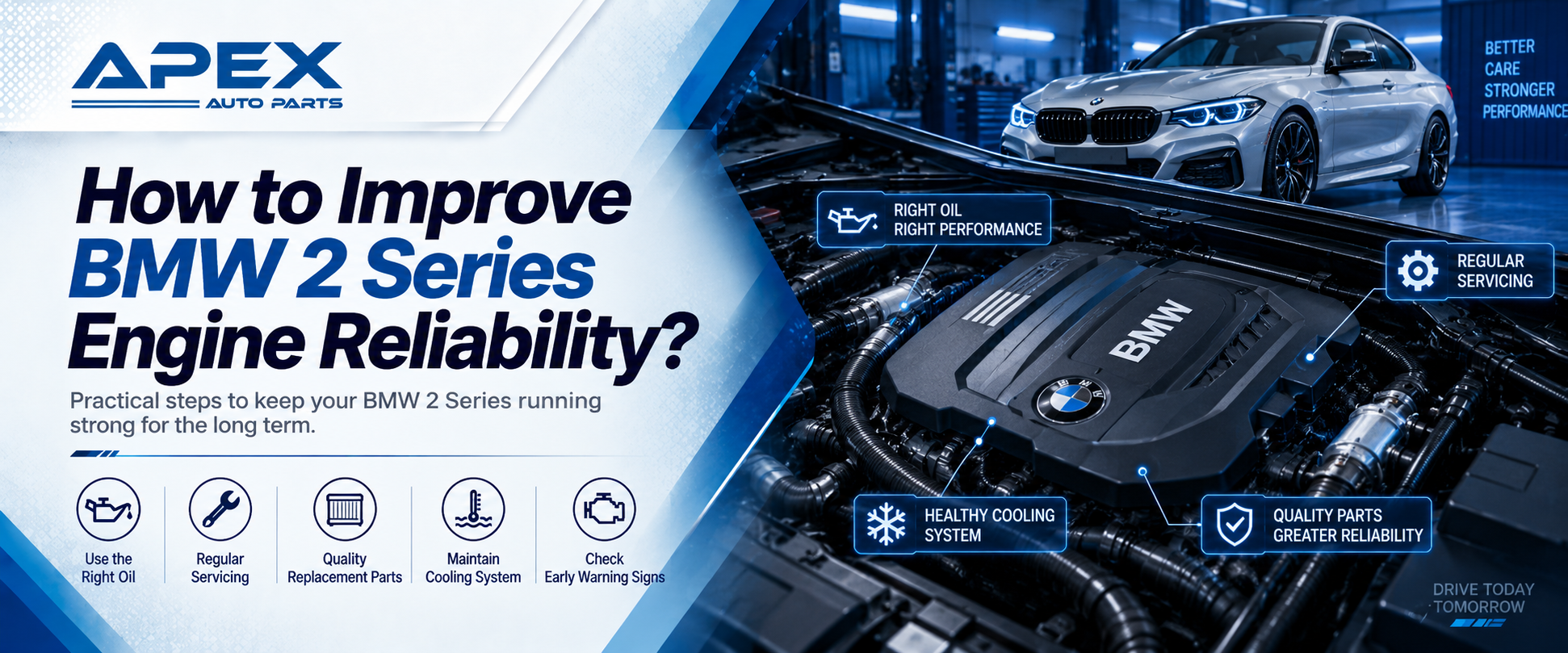
Good BMW 2 Series engine reliability comes from dealing with small issues before they become major repairs.
Regular oil servicing should be one of your priorities. BMW's official service plans include engine oil service, air filter servicing, spark plugs for petrol models and fuel filters for diesel models according to the vehicle's requirements.
The cooling system should also be checked regularly. Do not continue topping up coolant without finding the reason it is disappearing.
Pay attention to changes in how the engine sounds and feels. A new rattle, vibration or hesitation is worth investigating.
Warning lights should also be diagnosed properly rather than cleared repeatedly.
A sensible maintenance routine includes:
- Checking engine oil regularly
- Watching coolant level
- Following the correct service schedule
- Using the correct oil and filters
- Repairing leaks early
- Investigating warning lights
- Replacing worn spark plugs when required
- Using correctly matched replacement parts
- Checking recalls using the VIN
- Keeping service and repair records
BMW provides an official UK recall checking tool using either a VIN or registration number. BMW also states that it covers the cost of applicable safety recall and technical campaign work, so checking for open actions is worthwhile when buying or owning a used BMW.
What to Check Before Buying a Used BMW 2 Series?
A used BMW 2 Series should ideally be inspected when the engine is cold.
Before starting it, check the oil and coolant levels. Look around the engine bay for fresh leaks, damaged pipes or poor previous repairs.
Start the engine and listen carefully.
A healthy petrol engine should settle into a smooth idle without heavy knocking or constant shaking.
Take the vehicle for a proper test drive rather than driving around the block.
Allow the engine to warm fully and check how it responds during gentle and stronger acceleration. Watch for warning lights and listen for unusual noises.
After the drive, inspect underneath the engine again.
Some leaks only become obvious after the oil and coolant have reached operating temperature.
Service history is extremely important. BMW's maintenance programme covers key items such as engine oil, filters, spark plugs and vehicle checks, so missing history makes it harder to know whether these jobs were completed on time.
Why Correct BMW 2 Series Engine Parts Matter?
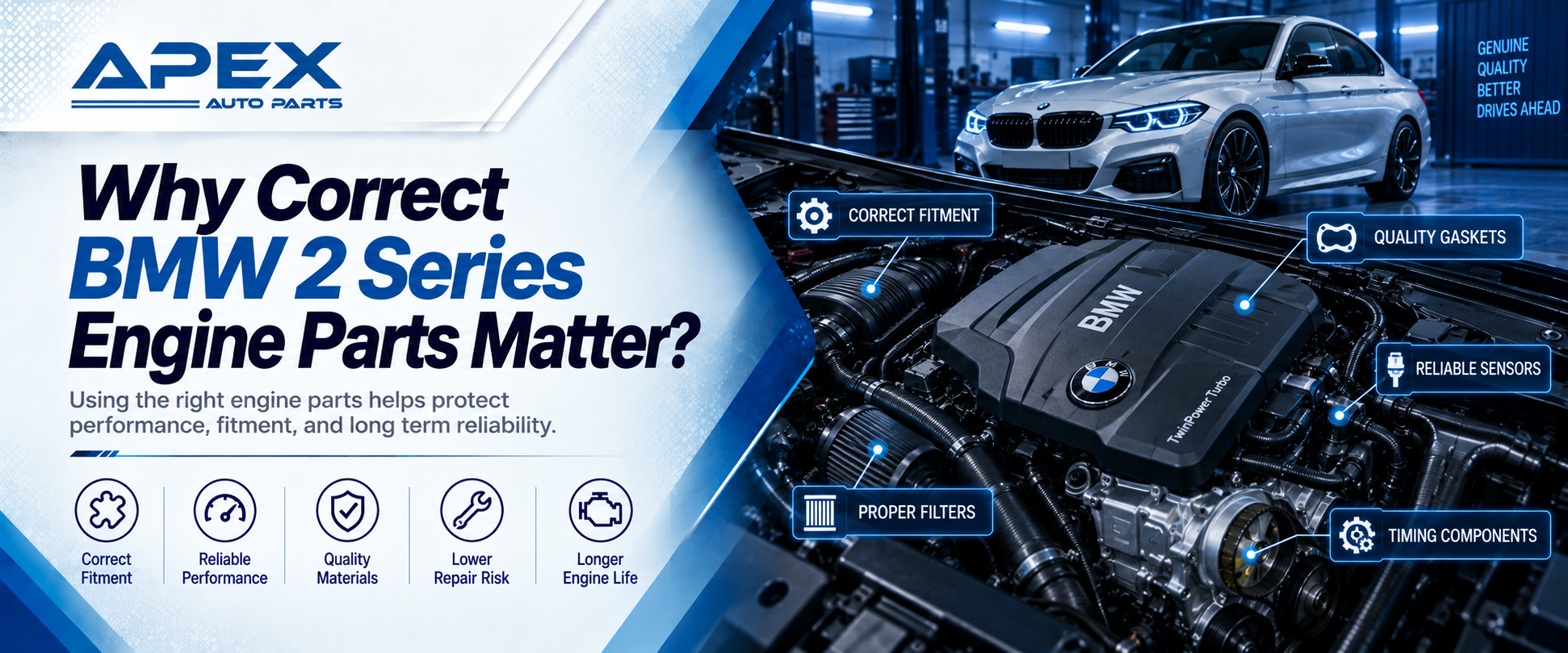
The correct replacement part is just as important as the repair itself.
BMW has used different BMW 2 Series engine options across the Coupe, Gran Coupe and performance models. Current engine capacities alone range from the 1,499 cc mild hybrid three-cylinder in the 220 Gran Coupe to larger four-cylinder and six-cylinder engines in other versions.
Ordering a component based only on the words "BMW 2 Series" is therefore risky.
At Apex Auto Parts, the sensible approach is to identify the vehicle properly before supplying engine components.
Providing the VIN, model year, engine size and part number can make matching much more accurate.
This can help prevent receiving the wrong sensor, gasket, cooling part or engine component.
It also saves workshop time because the mechanic is less likely to discover halfway through the repair that the replacement part does not fit.
Final Thoughts
The BMW 2 Series can offer strong BMW 2 Series engine reliability when it is serviced correctly, but no modern engine should be expected to run forever without maintenance.
The most important issues to watch include oil leaks, coolant loss, ignition faults, turbo problems, sensor faults, timing system concerns, fuel delivery issues and increased oil consumption. Newer mild hybrid cars also add electrical systems that require correct diagnostic equipment.
Most of these problems become more expensive when they are ignored.
An oil leak that is repaired early may only require a seal or gasket. Left for too long, low oil can put the turbo and engine at risk. A coolant leak may begin with a relatively small component but can lead to serious overheating if the vehicle continues to be driven.
The same rule applies to BMW 2 Series engine problems generally. Diagnose first and replace parts second.
Do not buy components based only on a warning light or online guess.
When BMW 2 Series engine parts are needed, make sure the exact engine and vehicle specifications are confirmed. Suppliers such as Apex Auto Parts can help with correct part matching when the right vehicle details are provided.
A well-maintained 2 Series is much easier to own than one where every repair has been delayed. Regular servicing, early diagnosis and good-quality parts are still the simplest ways to prevent large repair bills.
FAQS
1. What are the most common BMW 2 Series engine problems?
BMW 2 Series engine problems can include oil leaks, coolant loss, ignition faults, turbo issues, sensor problems and increased oil use. The exact faults depend on the engine and model year. Regular servicing and early investigation of warning lights can reduce the chance of a small problem becoming an expensive repair.
2. Is the BMW 2 Series engine reliable?
The BMW 2 series engine reliability can be good when the vehicle receives regular servicing and correct repairs. Reliability depends heavily on the exact engine, mileage and previous maintenance. Checking oil, coolant, service history and warning lights is important when buying a used example, especially if the car has covered higher mileage.
3. What BMW 2 Series engine options are available?
The BMW 2 Series engine options vary between models. Current UK versions include a 1.5 litre mild hybrid petrol engine in the 220 Gran Coupe, a 2.0 litre petrol engine in the 220i Coupe and larger performance engines in models such as the M240i.
4. What is the BMW 2 Series engine size?
The BMW 2 Series engine size depends on the exact model. Current examples include a 1,499 cc three-cylinder engine in the 220 Gran Coupe and a 1,998 cc four-cylinder engine in the 220i Coupe. Performance versions can use larger engines, including a 2,998 cc six-cylinder unit.
5. How can I prevent BMW 2 Series engine problems?
Follow the correct service schedule, use suitable engine oil, check coolant levels and repair leaks quickly. Do not ignore engine warning lights or unusual noises. Regular spark plug, filter and oil servicing also matters. BMW includes these types of maintenance items within its official servicing programmes where applicable.
6. Why is my BMW 2 Series losing coolant?
Coolant loss normally means there is a leak or another cooling system fault that needs investigation. Possible areas include hoses, connections, tanks and other cooling components. Do not repeatedly top up coolant without finding the cause because continued coolant loss can eventually lead to overheating and serious engine damage.
7. Why is my BMW 2 Series engine shaking?
Engine shaking can be caused by several faults, including worn spark plugs, ignition coil problems, fuel delivery issues or air leaks. A diagnostic scan can help identify which system has detected the fault, but further testing should be completed before replacement BMW 2-series engine parts are ordered.
8. Are BMW 2-series engine parts expensive?
The cost of BMW 2 Series engine parts varies greatly depending on the component and engine. Service items may be relatively affordable, while turbo, fuel system or internal engine parts can cost much more. Correct diagnosis and exact parts matching help prevent spending money on components that do not need replacing.
9. How do I improve BMW 2 Series engine reliability?
Regular oil servicing, correct coolant, early leak repair and proper diagnosis are among the best ways to improve BMW 2 series engine reliability. Keep maintenance records and avoid delaying repairs after warning lights appear. Checking your VIN for open BMW recalls or technical actions is also worthwhile.
10. Where can I buy BMW 2-series engine parts?
BMW 2 Series engine parts can be sourced through specialist suppliers such as Apex Auto Parts. Before ordering, provide the exact model, year, BMW 2 series engine size, VIN and part number where possible. Accurate identification helps prevent incorrect parts, unnecessary returns and wasted workshop labour.