
 info@apexautoparts.co.uk
 +44 203 915 7535
 Safe & Fast Shipping
 Whish List
 Compare
 Sign In


The Ingenium engine is used across many Jaguar and Land Rover vehicles, and it has become one of the most talked-about modern British engine families. Some owners have covered high mileages without major trouble. Others have faced timing noise, oil-related problems, cooling faults, balance shaft noise, or expensive repairs.
That difference is important. It would be wrong to say every Ingenium is unreliable, just as it would be wrong to say every one is trouble-free. The engine type, model year, service history, driving style, oil quality, and how quickly small faults were repaired can all change the outcome.
Jaguar and Land Rover developed the Ingenium family in-house. Production began with the 2.0-litre diesel used in the Jaguar XE, and the family later grew to include petrol engines and larger six-cylinder units. JLR designed the engines around a flexible aluminum structure that could be adapted for several vehicles and power levels.
This guide examines the reliability of the Ingenium engine from a mechanic's perspective. We will explain the main Ingenium engine problems, which warning signs deserve attention, how petrol and diesel versions differ, what to check before buying a used vehicle, and what owners can do to reduce the risk of a large repair bill.
What Is an Ingenium Engine?
The Ingenium engine is not one single engine. Ingenium is a family of engines designed by Jaguar Land Rover. The early versions were four-cylinder engines, with each cylinder rated at 500 cc. Jaguar Land Rover used this shared design to create different petrol and diesel versions while keeping many basic parts and design ideas similar.
The first major production application was the 2.0-litre diesel engine in the Jaguar XE. JLR later introduced 2.0-litre petrol versions and eventually expanded Ingenium to include six-cylinder petrol and diesel engines. The 3.0-litre straight-six petrol Ingenium, for example, arrived in later Range Rover products with mild-hybrid technology.
The 2.0 Ingenium engine is the version most used-car buyers are likely to encounter. Different versions have appeared in vehicles such as the Jaguar XE, XF, F PACE, E PACE and F TYPE, along with Land Rover and Range Rover models including the Discovery Sport, Range Rover Evoque, Range Rover Velar and other vehicles depending on the year and market. Official JLR material confirms that both petrol and diesel 2.0-litre Ingenium engines have been used across a wide range of Jaguar models.
The basic idea behind Ingenium was sensible. Reduce weight, improve fuel efficiency, lower emissions, deliver good torque, and create a single engine family that can work in many different vehicles.
The trouble is that modern engines are also complicated. Turbochargers, variable valve timing, emissions equipment, sensors, oil pressure systems and electronic controls all depend on one another. If maintenance is missed or one part starts failing, the effect can spread.
Is Ingenium Engine Reliability Good?
There is no useful answer that says yes or no.
Ingenium engine reliability varies greatly between individual engines. A well-serviced engine that has had the correct oil, sensible service intervals and early repairs can provide good service. A neglected engine with old oil, unresolved warning lights or repeated overheating can become expensive very quickly.
There is another reason to be careful with blanket statements. Jaguar Land Rover has released technical bulletins for specific Ingenium concerns, but those bulletins often apply only to certain engines, vehicle ranges, production dates or VINs. A technical bulletin for one 2018 petrol engine does not mean every 2018 Ingenium has the same fault.
For example, JLR issued technical information for certain 2.0-litre petrol vehicles in which a rattle could be heard from the timing chain area. The identified cause involved the variable camshaft timing unit, and the repair procedure included work around the timing system.
JLR has also issued information regarding balance shaft wear on certain 2.0-litre diesel engines. This could produce a noticeable whining sound and required proper diagnosis before parts were replaced.
These are real concerns, but they should be treated as known fault patterns rather than as proof that every Jaguar Ingenium engine or Land Rover Ingenium engine will fail.
Why Does the 2.0 Ingenium Engine Get So Much Attention?
The main reason is simple. There are many of them on the road.
The 2.0 Ingenium engine has powered many Jaguar and Land Rover models over several years. That means workshops see many of these engines, used car buyers search for them, and owner discussions naturally contain more reports than they might for a rare engine.
It also exists in both petrol and diesel form. The two versions should not be treated as if they have the same weak points.
A diesel used for long motorway journeys has a very different working life from a petrol engine that spends most of its time moving slowly through a city. The same engine can also experience very different stress when fitted to a light saloon compared with a heavier SUV.
When diagnosing Ingenium engine problems, a mechanic therefore needs the full picture. Engine type, model, age, mileage and driving history matter almost as much as the symptom itself.
Common Ingenium Engine Problems
Several faults warrant particular attention because Jaguar Land Rover has issued service information for them on specific Ingenium family versions.
Timing Area Rattle on Some 2.0 Petrol Engines
A rattle from the front or timing area of an engine should never be dismissed as normal without checking it.
JLR issued technical bulletins for certain 2018 Ingenium 2.0 petrol engines fitted to models including the Jaguar E PACE, F PACE, F TYPE, XE and XF, as well as some Land Rover models. The reported symptoms included a rattle from the timing chain area and, in some cases, an engine warning light. JLR traced the specific condition covered by the bulletin to an internal seal problem in a variable camshaft timing unit.
That is an important distinction. A rattle does not automatically mean the entire timing chain has failed.
From a workshop perspective, the sensible response is to inspect the engine and scan the control unit for stored fault codes. Starting the engine from cold can also help, as some timing noises are easiest to hear in the first few seconds after startup.
Ignoring a genuine timing fault is a bad idea. Valve timing controls when the engine's valves open and close. If timing is far from where it should be, engine performance can suffer, and internal damage may occur.
Balance Shaft Whine on Some Diesel Engines
One of the better documented diesel concerns involves the balance shaft system.
Balance shafts help reduce vibration. They rotate within the engine, making the four-cylinder engine feel smoother.
Jaguar Land Rover issued service actions and technical information covering balance shaft noise on certain Ingenium 2.0 diesel vehicles. The described symptom was an audible whine. Later technical information stated that excessive wear of the dynamic balance shafts could be responsible for this noise.
This problem should be diagnosed rather than guessed at. Turbocharger noise, belt noise and other rotating parts can sometimes sound similar from inside the car.
A mechanic will normally change engine speed while listening to how the sound changes. The location of the noise can then be narrowed down before expensive work begins.
Oil Condition and Sludge on Some 2.0 Petrol Engines
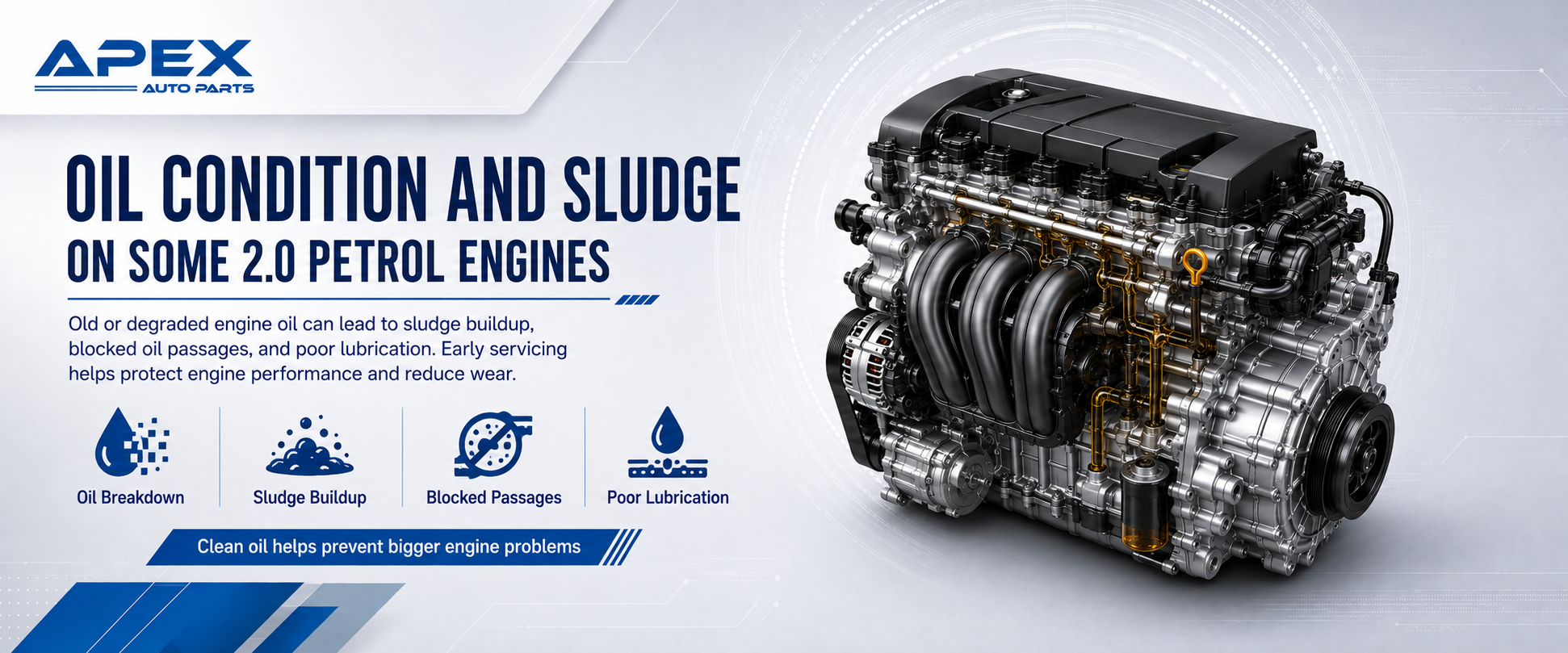
Oil is one of the biggest factors affecting the reliability of Ingenium engines.
In 2024, Jaguar Land Rover issued a customer satisfaction programmed for certain 2020 model-year onwards Land Rover vehicles equipped with the 2.0-litre four-cylinder Ingenium petrol engine. JLR said that some demanding driving patterns, especially high levels of urban use, could cause the engine oil to degrade more quickly. This could lead to sludge deposits in important oil passages and the valve lift system. JLR advised an additional early oil and filter change for affected vehicles.
That gives owners a useful lesson even when their car is not part of that exact programmed.
Do not think of engine oil as something that matters only when the dashboard service message appears. Oil condition changes with heat, driving style, journey length and contamination.
If most journeys are short and slow, speak to a knowledgeable Jaguar or Land Rover specialist about whether shorter oil service intervals are sensible for your exact engine.
Turbocharger Noise and Turbo Related Faults
Most modern Ingenium engines use a turbocharger, so turbo health matters.
JLR issued a bulletin for some 2017 Jaguar F-PACE vehicles with the Ingenium 2.0 diesel engine after owners reported a whine or whistle between roughly 1,700 and 2,000 rpm.
Interestingly, the bulletin shows why proper diagnosis matters. The sound could have been transmitted through the exhaust mounting system rather than by the turbocharger itself, meaning the turbocharger was destroyed. JLR provided a diagnostic process before replacement was considered.
There has also been JLR technical information for a rattle from the turbocharger actuator linkage on certain 2.0 petrol applications.
Common warning signs worth checking include a new whistle, rattling under load, poor acceleration, excessive smoke, an engine warning light, or oil appearing where it should not.
None of those symptoms proves a failed turbo on its own. An air leak, an exhaust leak, a sensor problem, or an actuator issue can produce similar behavior.
Coolant Leaks Around the Thermostat
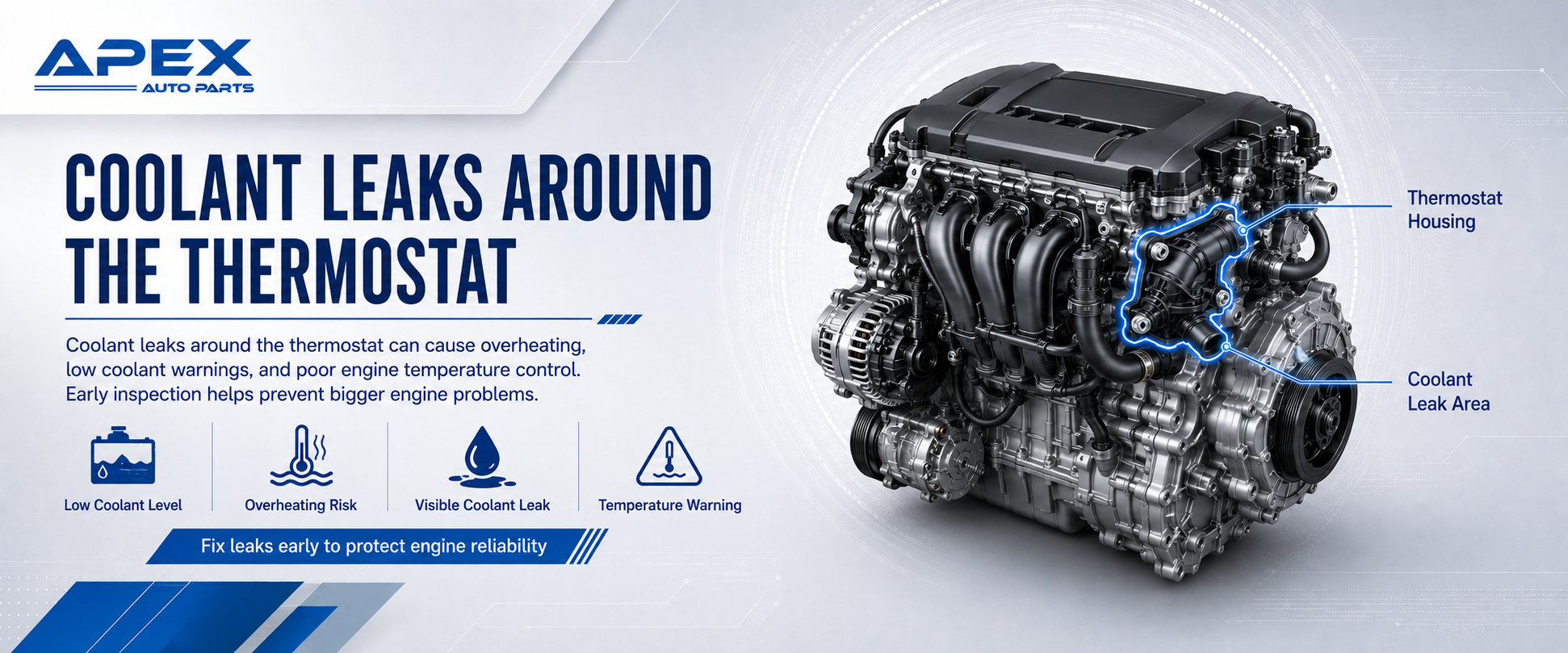
Coolant loss is another issue that should be dealt with early.
JLR technical information from 2021 recorded an investigation into coolant leaks from thermostats on AJ20 P4 engines used in several Jaguar models. Reported symptoms included visible coolant leakage and, in some cases, a low coolant warning.
A small leak may look harmless when the engine is cold, but cooling systems work under heat and pressure. The leak can become worse.
Running an engine with too little coolant can lead to overheating. Overheating can then damage the cylinder head, seals, oil and other internal parts.
If the coolant level keeps falling, do not simply refill it every week and continue driving. Find the leak.
Oil Leaks Around Timing Cover Components
Some 2.0 diesel Ingenium engines have also been covered by JLR service messages regarding timing cover plugs becoming loose and leaking oil. The information covered AJ20 D4 applications including the Jaguar E PACE, F PACE, XE and XF. JLR later introduced a revised plug with an improved surface finish.
This type of fault shows why regular under bonnet checks still matter on a modern car.
Oil on the engine, spots under the vehicle, a falling oil level or a burning oil smell should be investigated. Finding a minor seal or plug problem early can be far cheaper than running the engine with low oil.
Vibration That May Not Be an Internal Engine Fault
Owners sometimes assume that strong vibration means the engine itself is failing.
That is not always true.
JLR issued technical information regarding premature wear of active engine mounts on certain F-PACE and Range Rover Velar vehicles with Ingenium petrol and diesel engines. Worn or leaking mounts could cause vibration at startup or idle.
This is a useful diagnostic lesson. Symptoms must be traced to the actual cause before parts are ordered.
Replacing engine parts will not fix a damaged engine mount.
Petrol VS Diesel Ingenium Problems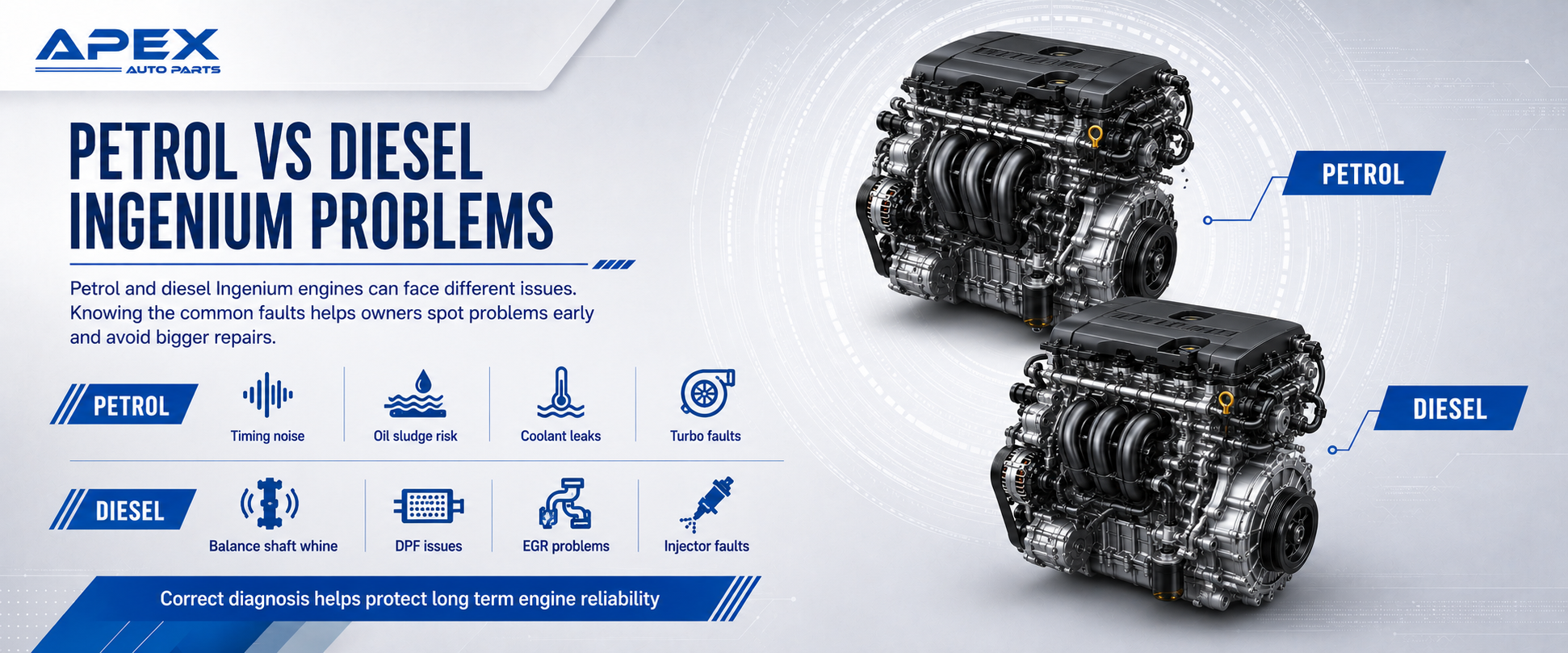
Petrol and diesel versions of the 2.0 Ingenium engine share the Ingenium name, but owners should not expect the same fault list.
For petrol engines, pay close attention to oil condition, cooling system health, noises from the timing area, and changes in valve timing behavior. JLR has documented specific petrol concerns involving timing area rattle, variable camshaft timing parts, oil degradation under some driving patterns and thermostat leakage.
For diesel versions, balance shaft noise deserves attention on affected vehicles. Diesel cars also have more exhaust-cleaning equipment, so warning messages related to the diesel particulate filter, emissions fluid system, or sensors should not be ignored. JLR has issued software-related technical information for emissions system warnings on specific 2.0 diesel applications.
Neither version is automatically better for every driver.
A diesel can make sense for regular longer journeys and drivers who cover substantial mileage. Petrol may suit people whose driving pattern contains more short trips. The right choice depends on the vehicle, the journey pattern and its service history.
Land Rover Ingenium Engine VS Jaguar Ingenium Engine
People often search separately for Land Rover Ingenium engine problems and Jaguar Ingenium engine problems, but there is a lot of shared engineering between them.
The engines come from the same JLR Ingenium family. What changes are the vehicle's engine, its power output, gearbox, cooling setup, emissions equipment, weight, and how the car is normally driven.
A Jaguar Ingenium engine in an XE saloon may spend much of its life moving a lighter vehicle on faster roads.
A Land Rover Ingenium engine in an SUV may face a different workload, especially if the vehicle regularly carries heavy loads, tows, drives through traffic, or operates off-road.
This is why the badge alone should not decide whether a used vehicle is good or bad.
Service history matters more.
Warning Signs You Should Not Ignore?
Many costly Ingenium engine problems start with a small change in sound, fluid level or performance.
Get the vehicle checked if you notice:
- A new rattle during a cold start
- A whining sound that changes with engine speed
- Repeated low oil or low coolant warnings
- Oil or coolant leaking under the vehicle
- Heavy vibration when starting or sitting at idle
- Loss of power or slow turbo response
- An engine warning light that keeps returning
If a warning appears once and then disappears, that does not always mean the fault has been repaired. Modern engine computers can store fault information that helps a mechanic find an intermittent problem.
How a Mechanic Should Diagnose Ingenium Engine Problems?
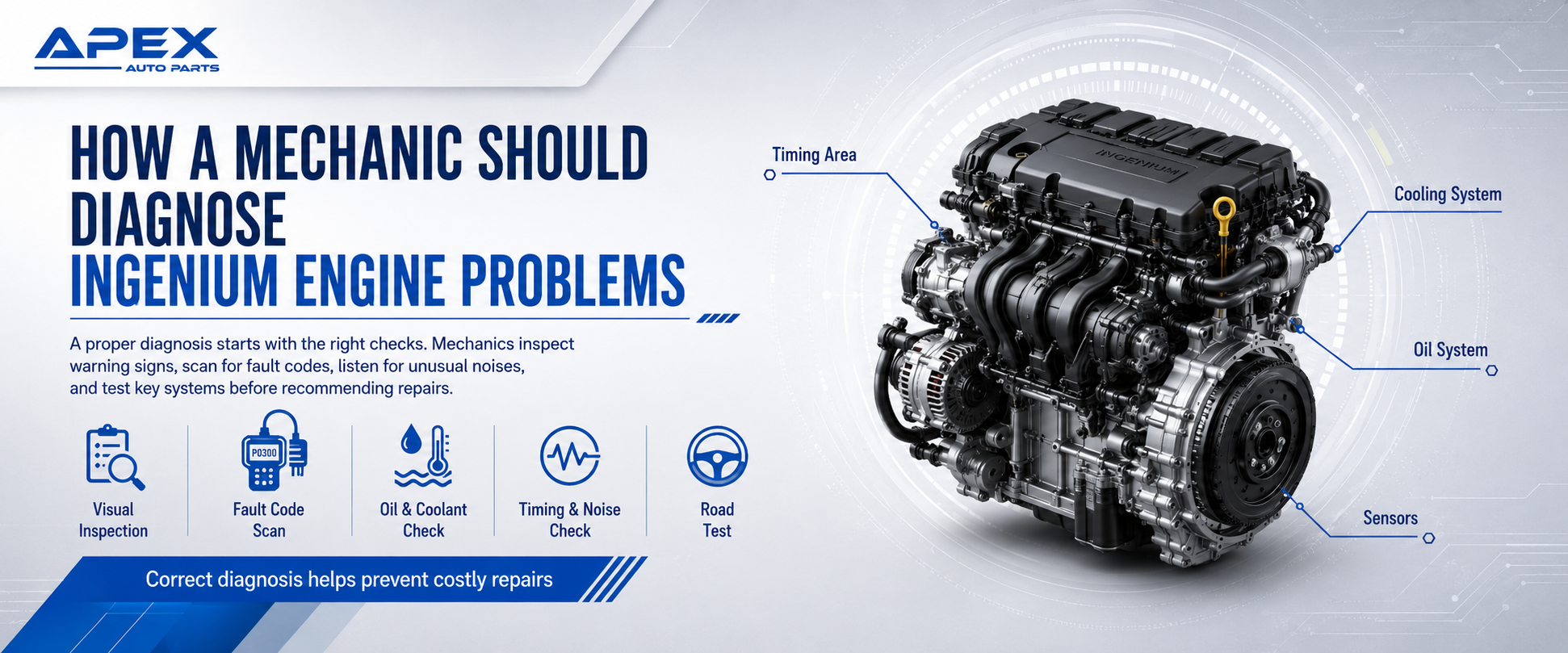
A good diagnosis starts before a spanner comes out.
The first step is listening to the owner's description. When does the sound occur? Is the engine hot or cold? Does it happen under acceleration? Has the oil level changed? Did a warning appear at the same time?
The mechanic should then inspect fluid levels and look for obvious oil or coolant leaks. Oil conditions are also useful. Oil that is badly degraded, unusually thick, contaminated, or at the wrong level can indicate a larger problem.
Next comes a diagnostic scan. Stored engine codes can guide the mechanic towards timing control, boost pressure, emissions equipment, misfires, sensors or other systems. Codes should guide the investigation, not replace it.
A timing-related code does not always mean the timing chain is broken. It may come from a valve timing actuator, an oil pressure issue, a wiring problem, or another fault. JLR's own timing rattle bulletins show why the entire system must be checked before parts are replaced.0
Noises then need to be located. A balance shaft whine, turbo whistle, belt noise and bearing noise may sound similar to an owner sitting inside the vehicle.
A good mechanic tests rather than guesses. That approach saves money.
How to Improve Ingenium Engine Reliability?
The biggest thing an owner can control is maintenance.
Use the exact oil grade and specification required for the engine. Modern valve timing systems and turbochargers rely on clean oil moving through small passages. The wrong oil may have the correct thickness written on the bottle but still fail to meet the required specification.
Do not keep stretching oil changes simply because the car still feels normal. JLR's own 2024 programmed for certain 2.0 petrol Ingenium vehicles shows that driving style can cause oil to age faster than expected.
If your driving mainly involves slow city traffic and short journeys, ask whether a more cautious oil change schedule is appropriate.
Check the coolant level regularly when the engine is cold. A modern car can lose coolant slowly without leaving a large puddle. White or color marks around pipes, the thermostat area or the expansion tank can provide an early clue.
Listen during cold starts. You do not need mechanical training to notice that an engine suddenly sounds different from how it sounded last month.
Allow faults to be diagnosed while they are still small. A £100 diagnosis that finds an oil leak or worn mount is far better than continuing to drive until the engine develops a serious secondary problem.
When replacing engine parts, accuracy is important. Different Ingenium versions can use different components, even when both vehicles have a 2.0-litre engine.
If you are sourcing parts through Apex Auto Parts, use the vehicle registration information, VIN, model year and engine details where possible. Choosing a part solely because it says "2.0 Jaguar" or "2.0 Land Rover" can lead to ordering the wrong component.
Good maintenance does not guarantee that a mechanical part will never fail. It simply gives the engine the best chance of reaching a high mileage without unnecessary damage.
Is a High Mileage Ingenium Engine a Bad Buy?
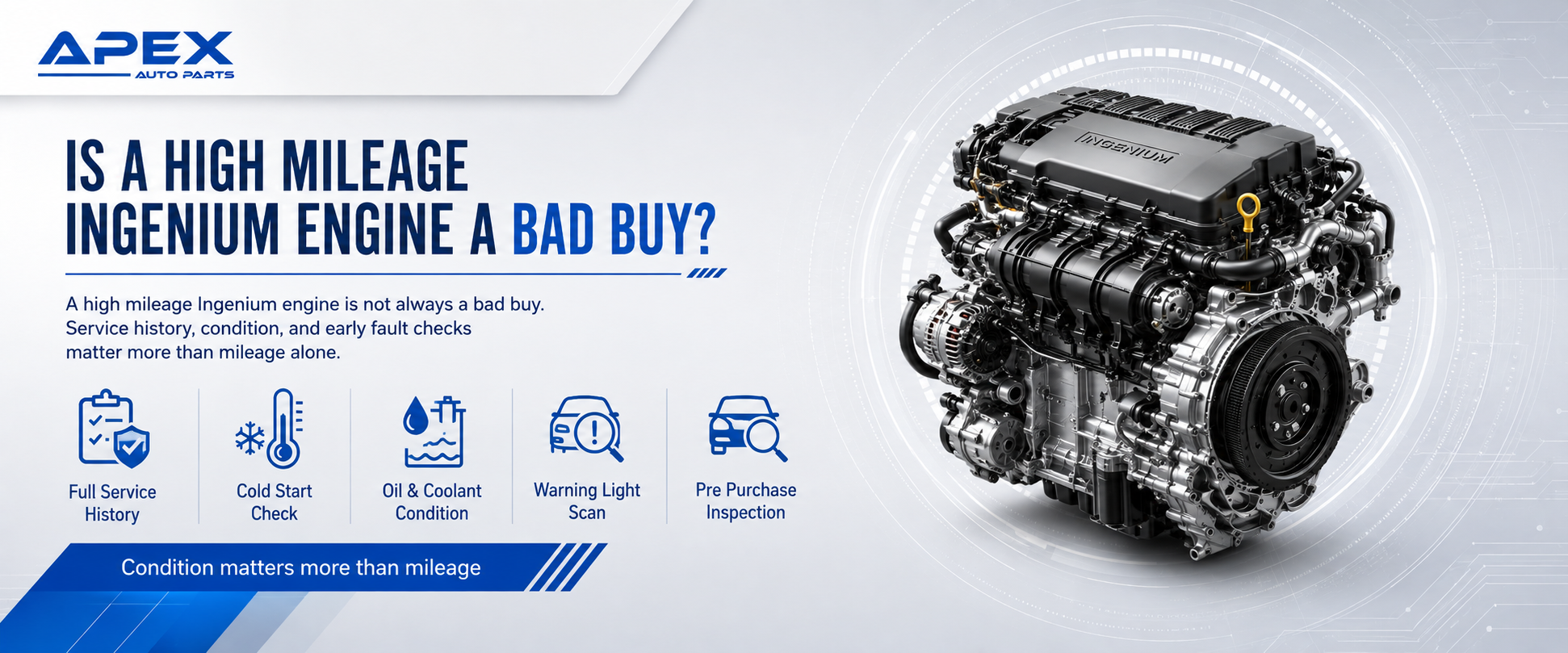
Not automatically.
Mileage tells you how far the car has travelled. It does not tell you how it was treated.
A vehicle with 100,000 miles, frequent oil changes, and a folder full of repair invoices can be a safer purchase than a 60,000-mile car that has missed services and several unexplained warning lights.
Before buying a used Ingenium-powered Ingenium-powered vehicle, start it from a completely cold state if possible. Sellers sometimes warm a car before a viewing because some noises are less noticeable once the oil is hot.
Listen for rattles and whining. Look at the exhaust. Check for warning lights. Inspect the coolant level. Look around the engine for oil residue.
During the road test, make sure power arrives smoothly and that there is no unusual vibration under load or while idling.
After the drive, look under the bonnet again. Some leaks are much easier to see when the engine has reached normal temperature.
What Service History Should You Look For?
Oil change records are near the top of the list.
An invoice is better than somebody simply saying, "It was serviced every year."
Look for the correct oil, oil filters, coolant work, timing repairs, turbo repairs and any previous warning light diagnosis.
Also check whether work was completed following any manufacturer campaigns relevant to that exact VIN. JLR technical notices normally apply to defined groups of vehicles rather than every car with the same engine name.
If a seller says, "They all make that noise," do not accept that as a diagnosis.
Have the sound checked.
Can an Ingenium Engine Last a Long Time?
Yes, it can, but there is no fixed mileage at which an Ingenium engine becomes good or bad.
Engine life is affected by maintenance, temperature control, oil condition, driving pattern and how quickly faults are corrected.
The biggest mistake is continuing to drive after the engine has clearly started telling you something is wrong.
- A small coolant leak can lead to overheating.
- Low oil can damage bearings and turbo parts.
- Timing-related noise can become more serious.
- A whining rotating component can eventually fail.
Cars often give warning signs before the biggest repair bill arrives. The owner who acts early normally has more repair options.
Should You Avoid the 2.0 Ingenium Engine?
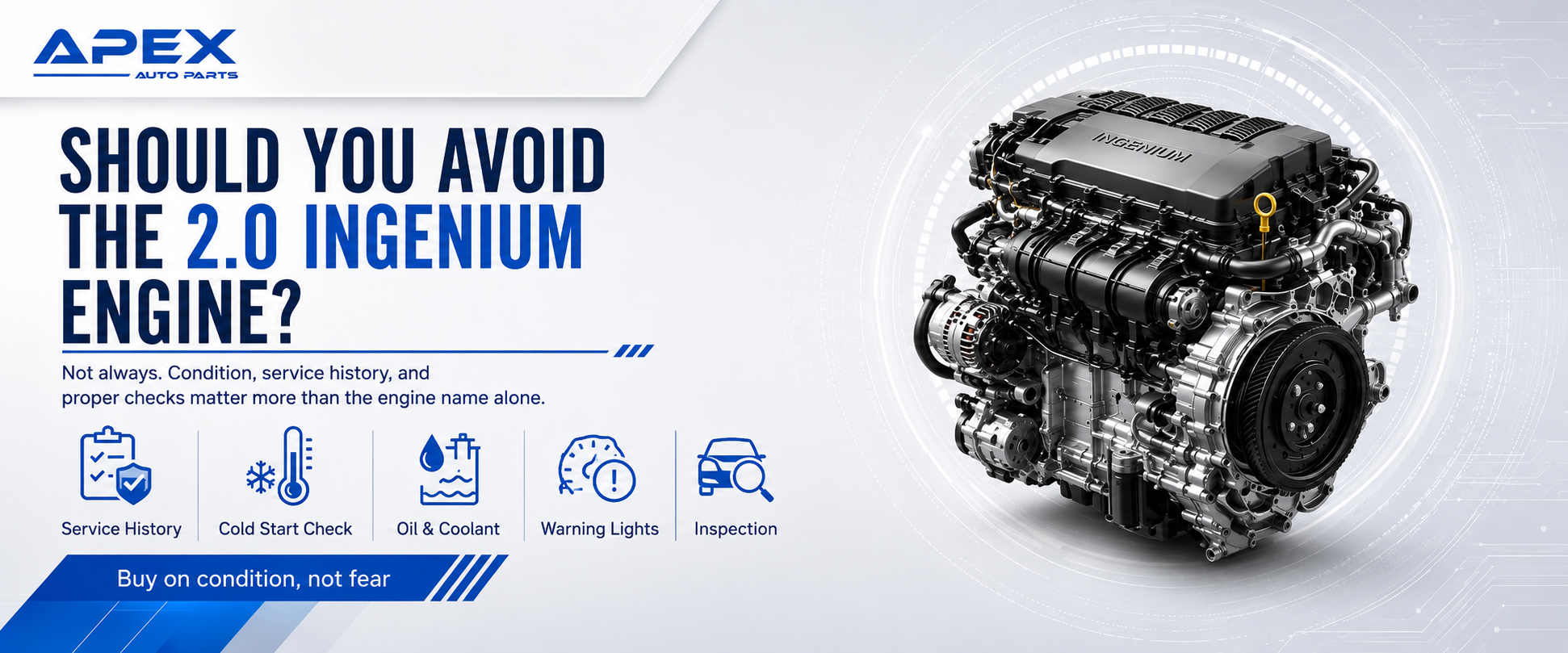
The 2.0 Ingenium engine should be judged by the actual car in front of you.
There are known issues on certain versions, and some can be expensive. That means buyers should take inspection and service history seriously.
It does not mean every vehicle using one should be avoided.
A car with good records, clean fluids, no suspicious cold-start noise, no warning lights, and evidence of proper maintenance is very different from an apparently cheap example with missing history, oil leaks, and unexplained rattles.
The purchase price should never be the only number you look at.
A cheaper car with an unresolved engine fault may quickly become an expensive one.
The Mechanic's View on Ingenium Engine Problems
When owners ask whether an Ingenium engine is reliable, the most useful answer is to stop thinking about the engine family as one single product.
- First identify the exact engine.
- Then identify the model year.
- Then check its service history.
- Then diagnose the symptoms that are actually present.
There is little value in replacing parts because somebody on a forum experienced a similar noise.
Jaguar Land Rover's own service documents repeatedly use diagnostic steps before repair work. Balance shaft noise, turbo noise, timing faults, and engine vibrations can have multiple possible causes.
Owners and independent workshops should follow that same method.
Test first. Repair second.
Final Thoughts
Ingenium engine reliability is better understood as a maintenance- and engine-specific question than a simple good-or-bad rating.
The engine family brought modern petrol and diesel technology to many Jaguar and Land Rover models. JLR has also documented several specific concerns over the years, including timing-related rattles on some petrol engines, balance shaft wear on some diesels, oil degradation under particular driving conditions, coolant leaks and other faults.
The key point is that these problems do not affect every car in the same way.
If you already own one, protect it with the correct oil, sensible servicing, regular fluid checks, and prompt diagnosis when something changes.
If you are buying one, choose history and condition over the lowest price.
And if an engine develops a rattle, whine, coolant loss, oil leak or warning light, find the cause before replacing parts. That is usually the cheapest way to own any modern Jaguar or Land Rover.
FAQs
1. What are the most common Ingenium engine problems?
Common concerns reported on specific Ingenium versions include timing area rattles, balance shaft whine, oil leaks, coolant leaks, turbo-related noise and oil condition problems. Not every engine develops these faults. The exact model year and engine type should always be checked before assuming a known issue applies.
2. Is Ingenium engine reliability really that bad?
Ingenium engine reliability varies considerably. Some engines can cover high mileage with normal servicing, while neglected or poorly maintained examples can become costly. Maintenance history, correct oil, cooling system health and early fault diagnosis matter greatly. It is better to judge each vehicle individually than to label every Ingenium engine unreliable.
3. Is the 2.0 Ingenium engine reliable?
The 2.0 Ingenium engine can be reliable when correctly maintained, but different petrol and diesel versions have known issues on certain production ranges. Check the service record, listen during a cold start, inspect for leaks and scan for stored fault codes before buying a used vehicle.
4. What is the biggest problem with the Land Rover Ingenium engine?
There is no single fault that affects every Land Rover Ingenium engine. Certain diesel versions have had documented balance shaft concerns, while certain petrol versions have had timing, oil condition or cooling system issues. The model, engine code, year and VIN are needed before deciding which faults deserve attention.
5. Does the Jaguar Ingenium engine have timing chain problems?
JLR issued technical bulletins for timing area rattles on certain 2018 2.0 petrol Jaguar models. The specific bulletin linked the condition to the variable camshaft timing unit and included timing system work in the repair process. A rattle should therefore be diagnosed rather than automatically blamed on the chain.
6. How long can an Ingenium engine last?
There is no official mileage at which an Ingenium engine is expected to fail. Its life depends heavily on servicing, oil quality, cooling system health, driving conditions and repair history. A well-maintained, higher-mileage engine can sometimes be a better choice than a lower-mileage engine with poor maintenance.
7. Why does my 2.0 Ingenium engine make a whining noise?
A whine can come from several areas, including rotating engine parts, the turbo system or accessories. JLR documented balance shaft whine on certain 2.0 diesel engines, but this does not mean every whine is a balance shaft failure. Proper sound location and mechanical diagnosis should come first.
8. How often should the oil be changed on an Ingenium engine?
Follow the correct service schedule for your exact model, but driving conditions also matter. JLR has advised additional oil changes for certain 2.0 petrol Ingenium vehicles where demanding urban driving caused faster oil degradation. Owners doing mainly short city journeys may benefit from discussing shorter intervals with a specialist.
9. Is a used Jaguar or Land Rover with an Ingenium engine worth buying?
It can be, provided the car has a strong service history and passes a proper inspection. Check cold-start noise, oil and coolant levels, leaks, warning lights, turbo response, and stored fault codes. Do not buy purely because the mileage is low or because the asking price looks attractive.
10. Can regular servicing prevent Ingenium engine problems?
Regular servicing cannot prevent every mechanical failure, but it can lower avoidable risk. Correct oil, fresh filters, a healthy cooling system and early repair of leaks or noises can protect expensive internal parts. The aim is to catch small faults before they cause damage to other parts of the engine.
References:
Media Jaguar Land Rover
Static Nhtsa Gov