
 info@apexautoparts.co.uk
 +44 203 915 7535
 Safe & Fast Shipping
 Whish List
 Compare
 Sign In


A Range Rover can last for many years, but the engine choice matters. Some engines are simple, strong, and easy to repair. Others offer more power but need careful servicing to avoid expensive damage.
No engine is completely trouble-free. Even the strongest Range Rover engines can fail when oil changes are missed, coolant leaks are ignored, or the wrong parts are fitted. Age also matters. Rubber hoses, seals, turbo pipes, timing parts, and cooling components can become weak even when the main engine is still healthy.
This guide looks at ten engines that can provide long service when properly cared for. It is not an official reliability ranking. It is a mechanic-focused guide based on engine design, repair needs, parts availability, and the ability to reach high mileage without causing major internal damage.
We will also explain Range Rover engine problems, why engines fail, which diesels deserve attention, whether BMW supplied engines to Land Rover, and what to check before buying.
What Makes a Range Rover Engine Reliable?
Good Range Rover engines reliability begins with strong basic construction. A durable cylinder block, a reliable oil supply, stable cooling, and a sensible power output all help an engine survive daily use.
Older engines often feel slower than modern units, but their simple design can be an advantage. They may have fewer sensors, less complex fuel systems, and fewer emissions parts. This gives a mechanic fewer areas to inspect when a fault appears.
Modern engines offer smoother power, lower emissions, and better fuel use. However, they may include several turbos, advanced injectors, exhaust filters, electronic valves, and complex cooling systems. Each part must work correctly.
The most reliable engine is usually not the one with the lowest mileage. It is the one with clear service records, correct oil, a healthy cooling system, and faults repaired before they spread.
1. The 2.5 Litre 200Tdi Diesel
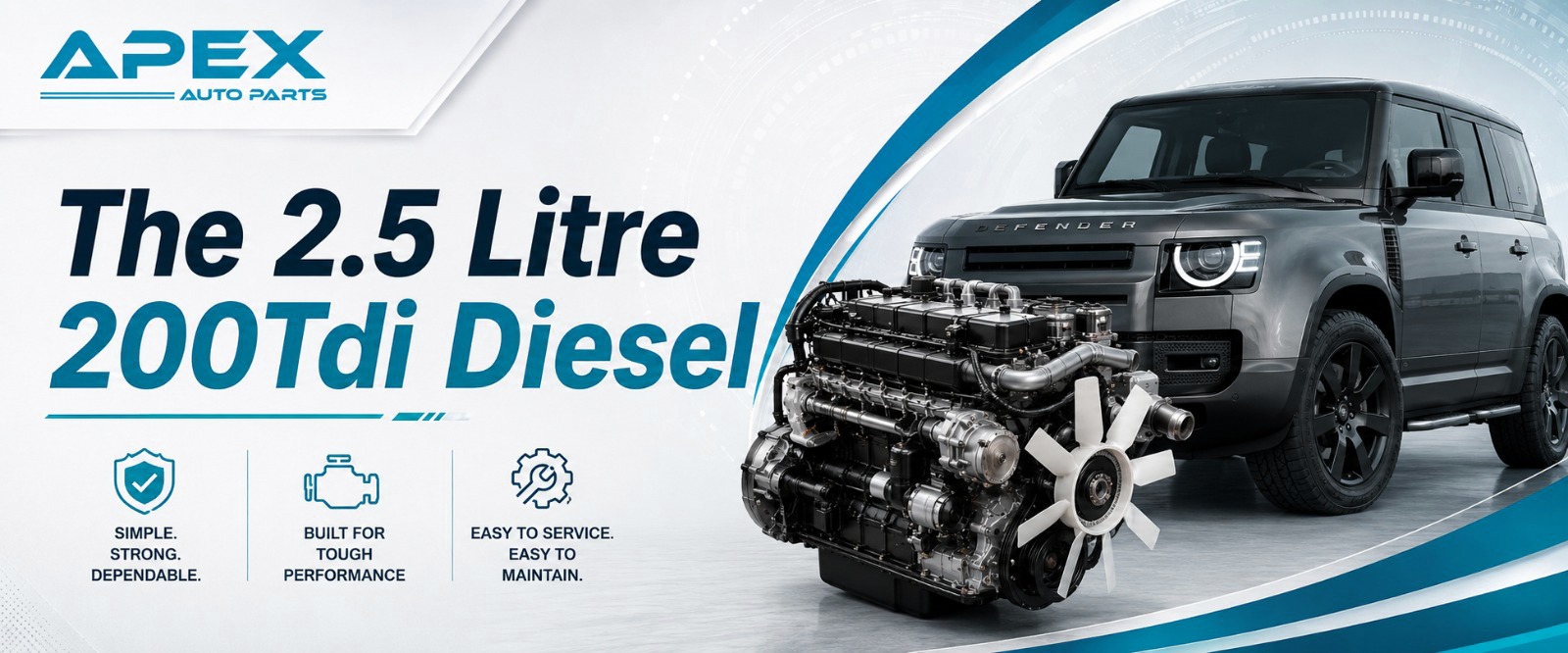
The 200Tdi is one of the best-known classic Range Rover diesel engines. It was fitted to later Range Rover Classic models and used a 2.5-litre four-cylinder turbo-diesel layout. Jaguar Land Rover Classic still lists engine, cooling, injection, turbo, timing, and internal parts for the Range Rover Classic 200Tdi.
Its main strength is simplicity. It does not depend on a modern high-pressure fuel system, several electronic control units, or a diesel particulate filter. A trained mechanic can inspect many faults using basic tools.
A healthy 200Tdi may sound agricultural, but it can run for years if the oil, coolant, timing components, and fuel filters are changed on time. It is well-suited to owners who value strength and repair access over quiet performance.
Common problems include coolant leaks, worn turbo hoses, oil leaks, overheating, injector wear, and neglected timing belts. A poor cooling system can still damage the cylinder head, so the temperature gauge must never be ignored.
2. The 2.5 Litre 300Tdi Diesel
The 300Tdi developed the same basic idea with a more refined layout. It remains a popular option for classic Land Rover owners because the engine is easy to understand and parts support remains strong.
Jaguar Land Rover Classic lists components for the 300Tdi family, including the cylinder block, cylinder head, injection pump, turbocharger, timing belt, oil system, cooling system, and internal engine parts. Official parts data also confirms 300Tdi applications within the Range Rover Classic parts catalogue.
A 300Tdi can handle high mileage, but its timing belt must be treated seriously. Incorrect belt alignment, a worn tensioner, or missed replacement can lead to engine damage.
Cooling care is just as important. A blocked radiator, a weak water pump, a damaged hose, or a low coolant level may cause overheating. Once the engine overheats, the cylinder head gasket can fail.
The 300Tdi is not fast, but it is one of the easier Range Rover engines to maintain. For many owners, that simplicity of repair is more valuable than extra power.
3. The 3.9 Litre Rover V8
The 3.9-litre Rover V8 gave the Range Rover Classic the smooth petrol sound that many owners still love. It uses an older design with electronic fuel injection and fewer control systems than a modern V8.
Jaguar Land Rover Classic continues to list the 3.9-litre V8 in the official Range Rover Classic engine parts information. Range Rover also used a restored 3.9-litre V8 model for an official Classic project announced in 2026.
The engine can last when oil changes are regular, and the cooling system remains healthy. It also has a large supply of repair knowledge because the Rover V8 family was used for many years.
Its weak areas include oil leaks, worn camshafts, tired valve gear, ignition faults, cooling problems, and internal wear in poorly maintained examples. Fuel use is also high.
A good 3.9 V8 should idle smoothly, pull without hesitation, and maintain stable coolant temperature. Low oil pressure, deep knocking, coolant loss, or heavy smoke should lead to a full inspection before purchase.
4. The BMW M57 3.0 TD6 Diesel
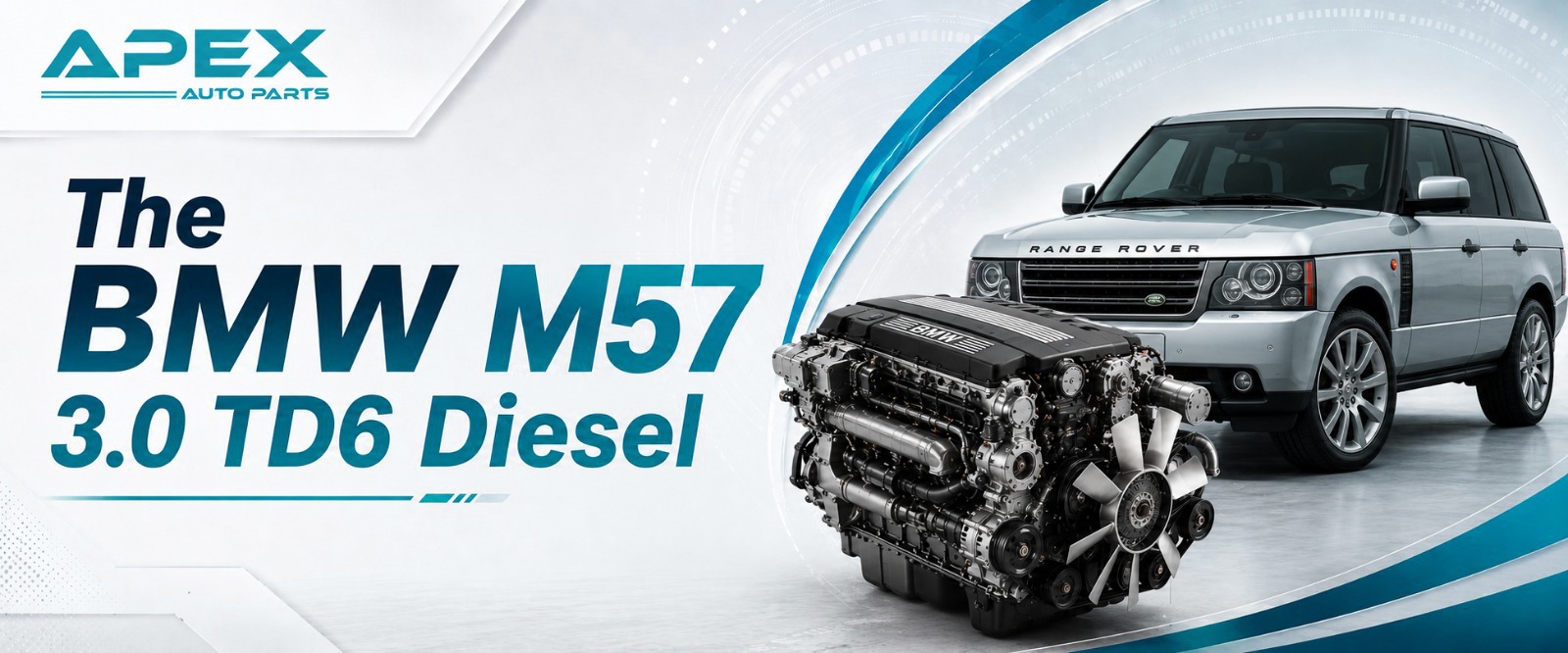
Early L322 models offered a 3.0 TD6 straight-six diesel engine based on BMW’s M57 engine family. BMW used common rail injection for the M57 and produced it in several power levels across its own vehicles. BMW describes the M57 as a six-cylinder diesel with common-rail injection, strong low-speed torque, and improved diesel performance for its time.
The M57 engine itself can be durable, especially when oil and cooling care are good. Many problems associated with an early TD6 vehicle may stem from the gearbox, cooling system, fuel supply, or ageing electrical components rather than a failed engine block.
Common engine concerns include crankcase breathing faults, injector wear, turbo hose leaks, swirl-related intake issues, coolant leaks, and glow plug faults.
A cold start tells you a great deal. The engine should start without long cranking, heavy smoke, or a strong knocking sound. The automatic gearbox should also be checked because a strong engine does not make the rest of the vehicle reliable.
5. The 4.4 Litre Jaguar Naturally Aspirated V8
The later L322 received a Jaguar-derived 4.4-litre naturally aspirated V8. A related 4.4-litre engine was also offered in the early Range Rover Sport, where Land Rover described it as a Jaguar-derived petrol engine developed for Land Rover use.
This engine is often considered a sensible petrol choice because it avoids the added heat and pressure of a supercharger. It delivers smooth power and suits the heavy vehicle without feeling strained under normal driving conditions.
The engine still needs careful cooling maintenance. Check the thermostat, radiator, coolant tank, hoses, water pump, and fan operation. Oil leaks around covers and seals should also be repaired before they reach belts or hot exhaust parts.
Listen for timing noise from a cold start. Check for warning lights, unstable idle, and poor throttle response. A clean service record is more valuable than a recently washed engine bay.
For buyers who can accept petrol costs, the 4.4 Jaguar V8 can be one of the more balanced L322 choices.
6. The 4.2 Litre Supercharged Jaguar V8
The 4.2-litre supercharged V8 was used in performance-focused Range Rover models. Land Rover described the Range Rover Sport version as a specially developed Jaguar-derived V8 producing strong power through a six-speed automatic gearbox.
The engine has a strong basic design, but supercharging increases heat and stress. Correct oil, cooling, and belt care are therefore essential.
A mechanic should inspect the supercharger drive, coolant system, intercooler circuit, pulleys, tensioners, hoses, and oil leaks. A high-pitched noise may come from a worn pulley or bearing rather than the complete supercharger.
Poor Range Rover tuning can make these problems worse. Extra power should never be added to an engine with cooling faults, weak fuel delivery, worn ignition parts, or low compression.
When kept close to standard form and serviced correctly, the 4.2 can cover high mileage. It is not the cheapest engine to run, but it can be a dependable performance option when previous owners have not abused it.
7. The 3.6 Litre TDV8 Diesel
The 3.6 TDV8 gave the L322 strong diesel torque and a much more relaxed driving feel than the earlier TD6. Its V8 layout suits the vehicle's weight and allows smooth progress without constant hard acceleration.
This engine can last, but access to some parts is difficult. Turbo-related work may require significant labour due to the components' positions. Oil leaks, boost leaks, EGR faults, injector issues, and restricted intake systems can also affect performance.
A small turbo hose split may cause low power, smoke, and warning lights. This does not always mean the turbo itself has failed. Proper boost testing should come before buying expensive parts.
Service history is essential. The oil must be changed with the correct product, and long gaps should be avoided. Old oil can damage turbo bearings and reduce lubrication quality.
The 3.6 TDV8 deserves a place on this list because its main engine can be strong, but it is only a sensible purchase when the buyer has money available for supporting system repairs.
8. The 4.4 Litre TDV8 Diesel
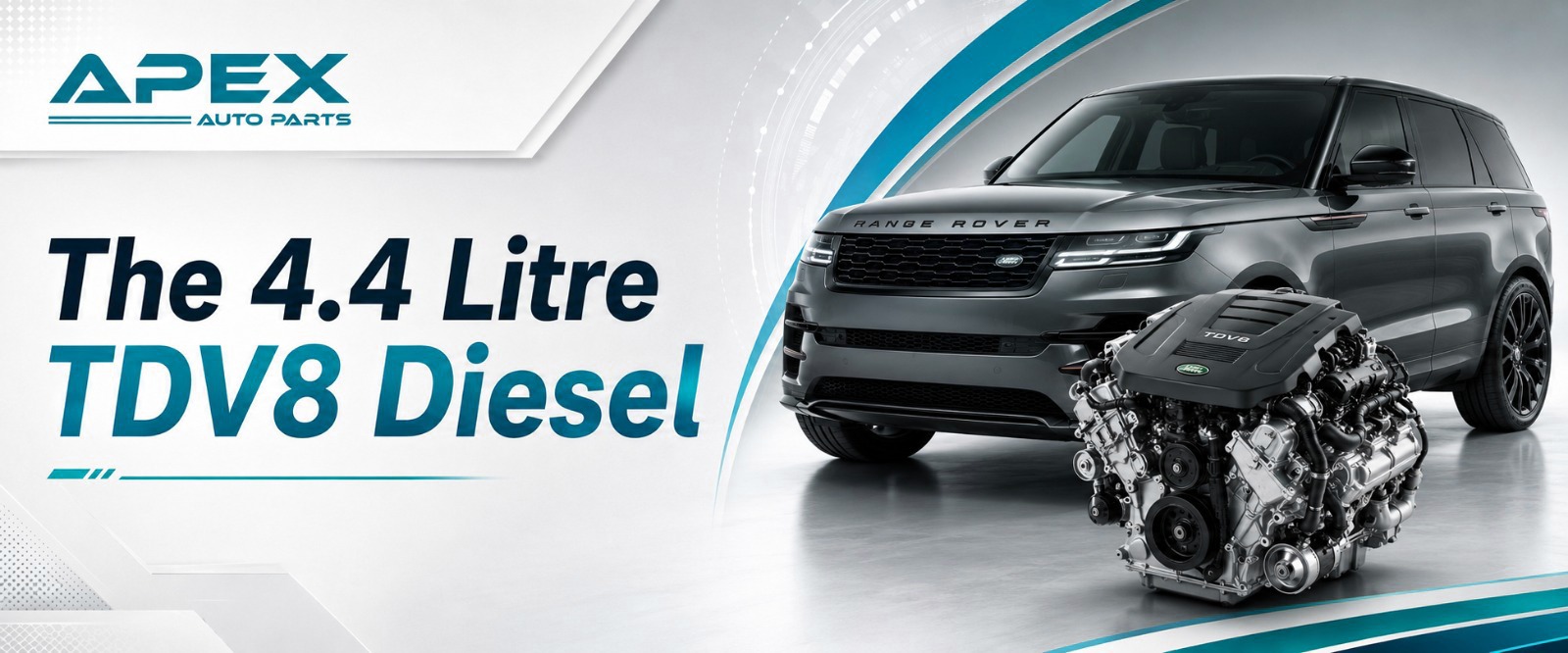
The 4.4 TDV8 is one of the most respected later L322 engines. Land Rover paired it with an eight-speed automatic gearbox and rated it at 313 PS and 700 Nm. The company also reported improved fuel use compared with the earlier diesel.
Its high torque makes it suitable for towing, long journeys, and heavy-vehicle use. The eight-speed gearbox also helps keep the engine within a useful speed range.
This does not make it maintenance-free. Turbo systems, EGR parts, coolant hoses, injectors, oil seals, and intake pipes still need inspection. The gearbox also requires attention even if older service schedules suggested long fluid life.
Among older Range Rover diesel engines, the 4.4 TDV8 is often a strong choice for buyers who want both performance and acceptable motorway economy.
Before buying, check for smoke, oil leaks, delayed acceleration, turbo noise, cooling pressure, and gearbox behavior. Repairs can be expensive, so a cheaper vehicle with no history may become the most costly option.
9. The 2.2 Litre SD4 Diesel
The 2.2 SD4 engine was used in the first-generation Range Rover Evoque. Land Rover offered the 2.2 diesel in several outputs, including a 190 hp SD4 version and 150 hp TD4 and eD4 forms.
This engine is smaller than the units fitted to the full-size model, but it can provide good service in the lighter Evoque. It is a practical choice for drivers who cover longer distances and want lower fuel use than a large petrol engine.
Common concerns include EGR contamination, diesel particle filter blockage, turbo hose leaks, injector seals, oil leaks, and timing system wear. Short journeys can make emissions system problems more likely because the exhaust may not reach high enough temperatures for proper cleaning.
A diesel specialist should check live data, injector correction figures, boost pressure, and filter condition before ordering major parts.
The 2.2 SD4 is often a safer used choice than buying a newer engine with no maintenance record simply because the newer car has lower mileage.
10. The 5.0 Litre Naturally Aspirated LR V8
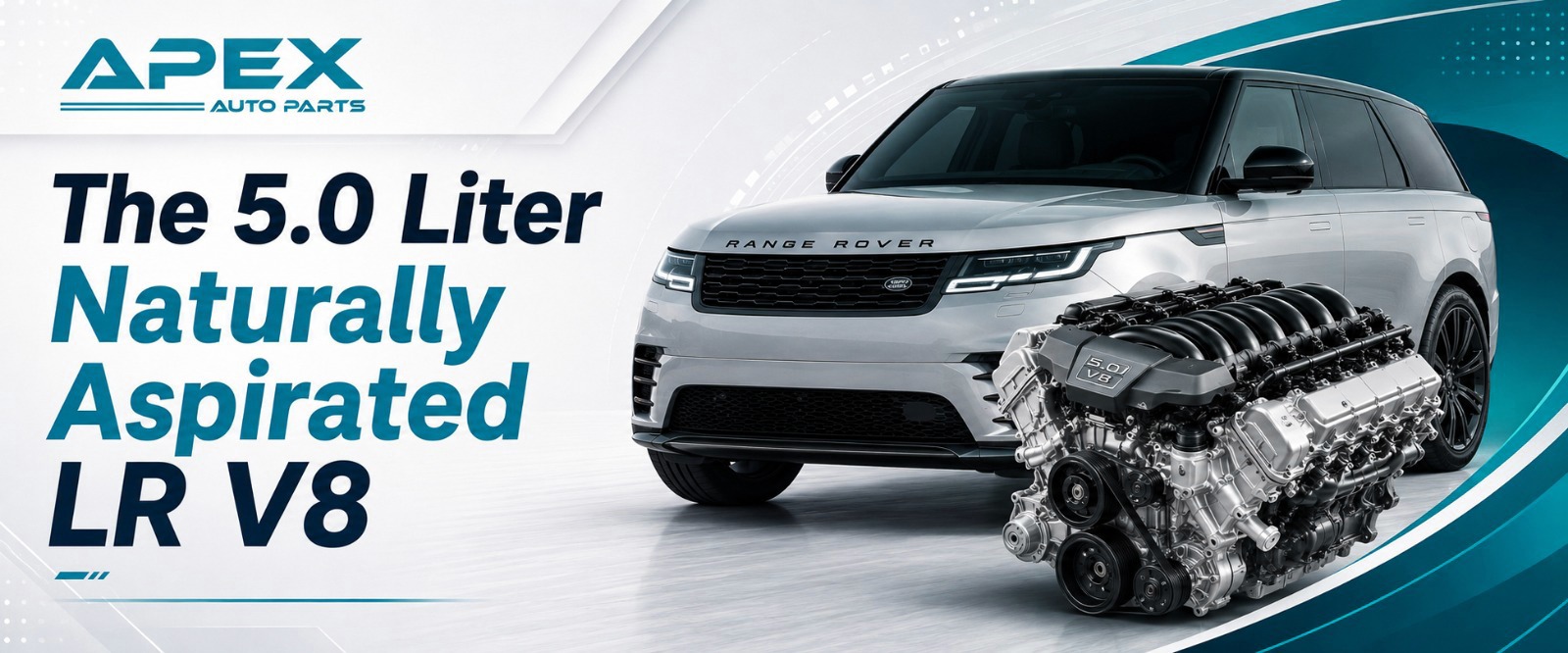
Land Rover introduced a 5.0 liter naturally aspirated V8 alongside a supercharged version for the 2010 model year. The naturally aspirated engine produced 375 PS, while the supercharged version produced 510 PS in the 2011 Range Rover.
The naturally aspirated version places less demand on the engine than the supercharged model, but it still has complex timing, fuel, and cooling systems.
Timing chain noise must not be ignored. Cooling leaks, injector faults, oil leaks, and poor servicing can also lead to expensive damage. Later replacement parts may improve known weak areas, but the quality of the repair matters.
A quiet cold start, stable idle, clean oil, and correct coolant pressure are important signs. A diagnostic scan should be carried out even when no warning light is showing.
The 5.0 naturally aspirated V8 offers strong performance without forced induction. It can last well, but only when the owner treats early signs of noise and coolant loss as urgent problems.
Which Range Rover Diesel Engines Are the Best?
The best diesel depends on the vehicle and how it will be used.
For simple classic ownership, the 200Tdi and 300Tdi are hard to beat. They are slower, louder, and less refined, but they are easier to understand and repair.
For an early L322, the BMW M57 TD6 can provide long service, although the gearbox and supporting systems must be checked carefully.
For later L322 ownership, the 4.4 TDV8 offers an excellent mix of torque, refinement, and performance. Land Rover paired it with an eight-speed gearbox and designed it specifically for the Range Rover application.
The 2.2 SD4 suits Evoque buyers, especially those who make regular long journeys. It is less suitable for constant short trips when the diesel emissions system cannot complete its cleaning process.
Why Do Range Rover Engines Fail?
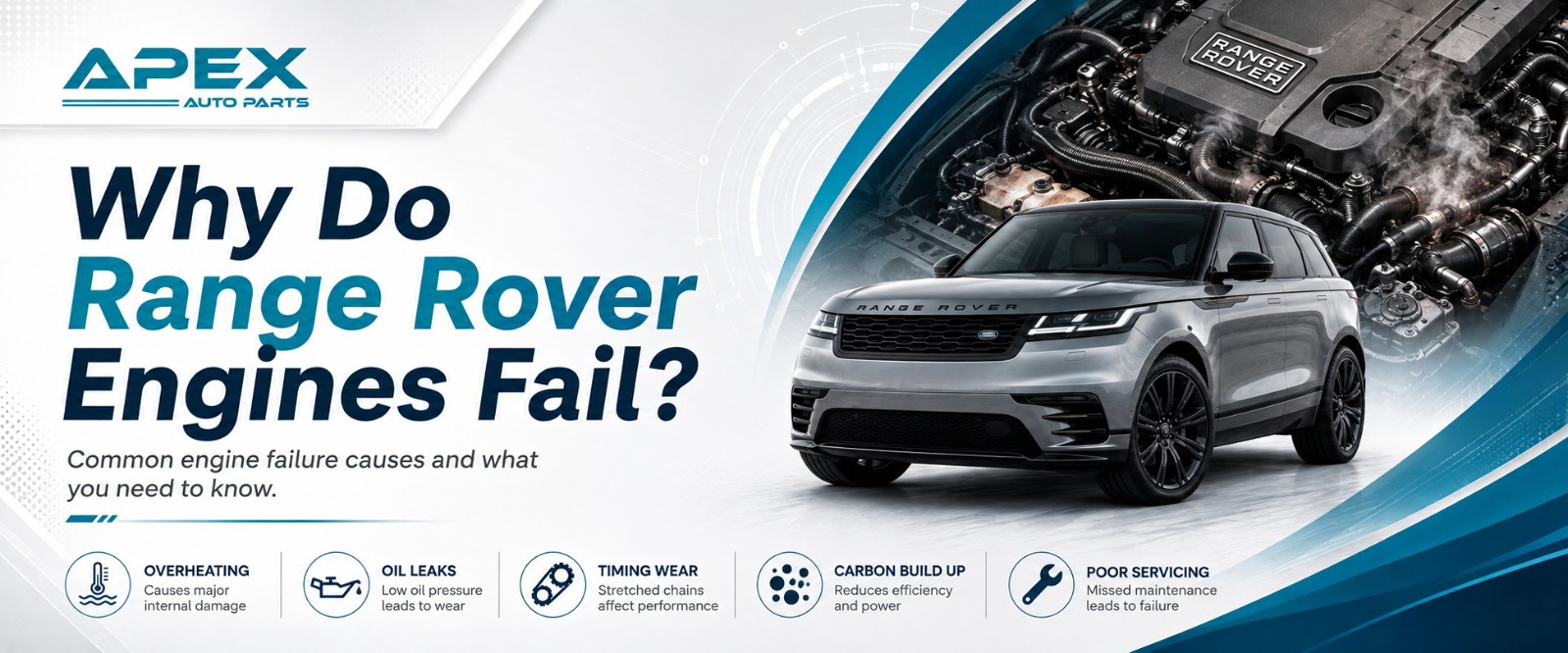
People who ask why Range Rover engines fail often expect a simple answer. In reality, most failures begin with a smaller problem that was left too long.
A coolant leak may cause overheating. Low oil may damage a turbo. A blocked breather may force oil through seals. A leaking injector may affect combustion. Low battery voltage may trigger several warning lights and lead to an incorrect diagnosis.
The main causes include:
- Missed oil and filter changes
- Incorrect engine oil
- Coolant loss and overheating
- Timing chain or timing belt neglect
- Turbo oil supply problems
- Blocked diesel emissions systems
- Poor quality replacement parts
- Incorrect software or engine tuning
- Continuing to drive after warning signs appear
The best protection is early diagnosis. A warning light is not a repair instruction. It is a sign that the system needs testing.
Common Range Rover Engine Problems?
Common Range Rover engine problems vary by engine type, but several faults recur across generations.
Coolant leaks are among the most dangerous because overheating can damage cylinder heads, gaskets, pistons, and cylinder liners. Oil leaks are also common and may reach belts, electrical parts, or hot exhaust components.
Diesel engines may suffer from EGR blockage, injector faults, turbo hose leaks, and exhaust filter problems. Petrol engines may develop ignition misfires, timing noise, cooling leaks, and fuel injector faults.
A proper mechanic will not replace parts based only on a fault code. The vehicle should be tested for compression, cooling pressure, oil pressure, fuel pressure, boost leaks, crankcase pressure, and electrical supply where needed.
The repair should solve the cause, not only hide the symptom.
Is Range Rover Tuning Safe?
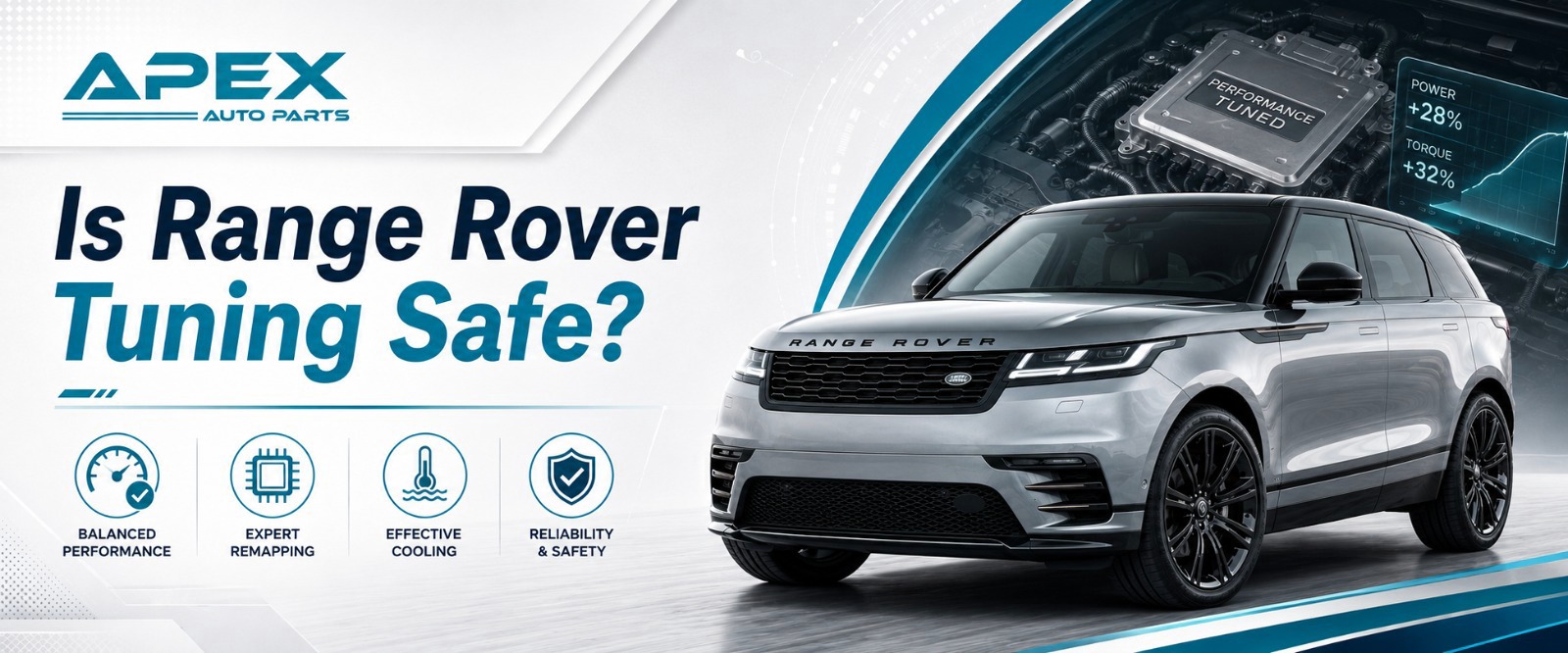
Careful Range Rover tuning can improve throttle response and power, but reliability must come first.
Before any software change, check engine compression, oil pressure, coolant condition, fuel delivery, turbo operation, ignition performance, gearbox health, and stored fault codes.
Diesel tuning often raises turbo pressure and fuel delivery. This can increase exhaust temperature and stress the gearbox. Petrol tuning may increase ignition demand, cylinder pressure, and cooling load.
A mild tune on a healthy engine can work well. An aggressive tune on a worn engine may reveal weaknesses in the pistons, turbochargers, injectors, or gearbox components.
Keep modifications realistic for the vehicle’s age and use. A towing vehicle, daily driver, and weekend performance build need different settings.
Is Range Rover Using BMW Engines?
People searching for whether Range Rover uses BMW engines should know that the answer is yes for some generations.
The early L322 was developed during BMW ownership and used BMW-related petrol and diesel engines, including the M57-based 3.0 TD6. BMW’s own records describe the M57 as a common-rail straight-six diesel engine used across several BMW models.
The latest full-size model also introduced a 4.4-litre twin-turbo V8 producing 530 PS and 750 Nm. Land Rover describes the engine as a new twin-turbo V8 calibrated for Range Rover use. However, the official launch release focuses on its Land Rover setup rather than naming the broader engine family.
This does not mean every modern engine comes from BMW. Jaguar Land Rover also uses its own Ingenium petrol and diesel engine family.
How to Make Range Rover Engines More Reliable?
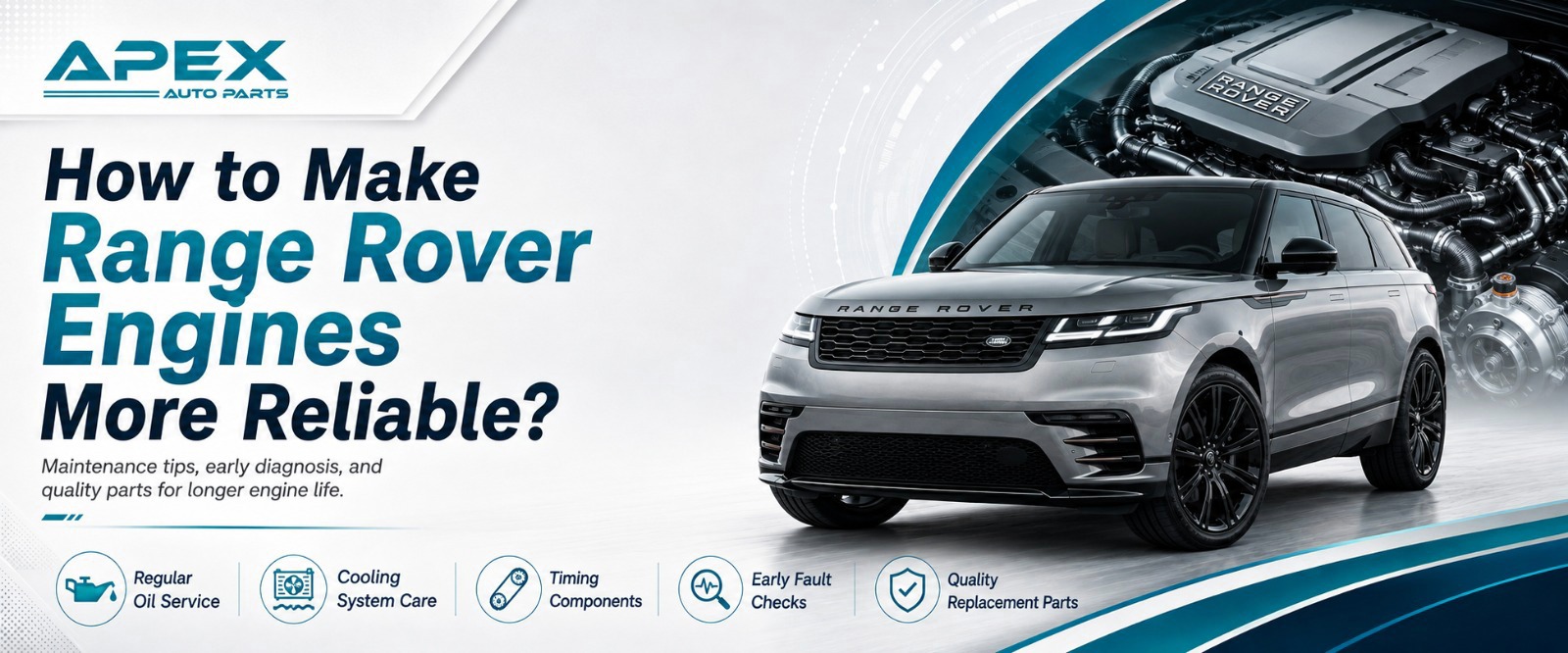
Good maintenance is cheaper than engine replacement.
Change the oil and filter at sensible intervals using the correct approved oil. Check coolant only when the engine is cold, and investigate any loss. Do not keep topping it up without finding the leak.
Allow a diesel engine to complete regular longer journeys when possible. This helps the exhaust system reach the temperature needed for cleaning.
Repair boost leaks, oil leaks, and crankcase breathing faults early. A small hose fault can place extra strain on the turbo and cause the engine to run poorly.
When ordering components, use the registration, VIN, engine code, and original part number. Apex Auto Parts can help drivers, workshops, and engine builders identify suitable engine parts when correct vehicle information is provided.
Diagnosis must still come first. The correct part cannot repair a fault that has been wrongly identified.
What to Check Before Buying a Used Range Rover?
Start the engine from cold. A warm engine may hide timing noise, smoke, poor starting, or rough idle.
Check the coolant level and look for dried marks around hoses, tanks, radiators, and thermostat housings. Inspect underneath for oil and coolant leaks.
During the test drive, watch the temperature, listen for turbo noise, and check whether power arrives smoothly. The gearbox should change without harsh movement or long delays.
After the drive, scan all control units. Some sellers clear warning lights shortly before a viewing, but pending or returning faults may still appear.
Ask for invoices rather than relying on a stamped book alone. Good records should show which oil was used, which cooling components were replaced, and whether timing or turbo work was performed.
Final Thoughts
The best Range Rover engines are not always the newest or most powerful. The 200Tdi and 300Tdi remain attractive because they are simple. The BMW M57 TD6 can cover high mileage when the vehicle around it is maintained. The Jaguar 4.4 and 4.2 V8 engines offer smooth petrol power, while the 4.4 TDV8 gives later L322 buyers strong diesel performance.
Every engine on this list has weak points. Reliability comes from correct oil, stable cooling, sensible driving, good diagnosis, and quality replacement parts.
Do not buy only by mileage. A higher-mileage vehicle with clear maintenance records may be safer than a lower-mileage vehicle with no records.
Most major failures begin with a warning. Coolant loss, smoke, unusual noise, oil use, low power, and rough running should never be ignored.
FAQS
1. Which Range Rover engine is the most reliable?
The 300Tdi is one of the strongest classic choices because it is simple and easy to repair. For later vehicles, the 4.4 TDV8 is highly regarded when serviced correctly. The best choice still depends on service history, cooling condition, oil care, and how the vehicle has been driven.
2. Are Range Rover engines expensive to repair?
Some repairs are costly because engine access can be difficult and parts may be complex. Turbo, timing, cooling, and fuel system work can involve many labour hours. Early diagnosis helps control the cost because a small leak or hose fault is cheaper to repair before it causes engine damage.
3. What are the most common Range Rover engine problems?
Common Range Rover engine problems include coolant leaks, oil leaks, timing noise, turbo hose failure, injector faults, EGR blockage, crankcase breathing trouble, and ignition misfires. The exact risks depend on the engine. A full diagnostic check is better than replacing parts based only on a warning light.
4. Which Range Rover diesel engines should buyers consider?
The 200Tdi and 300Tdi suit classic buyers who want simple repairs. The BMW M57 TD6 can be durable, while the 4.4 TDV8 offers strong performance in later L322 models. Evoque buyers may consider the 2.2 SD4, especially when the car has completed regular longer journeys.
5. Why do Range Rover engines fail at low mileage?
Low mileage does not guarantee good condition. Ageing seals, poor oil, short journeys, overheating, blocked emissions systems, and missed servicing can damage an engine. A vehicle that has travelled little may still have old coolant, weak hoses, fuel dilution, or years of neglected maintenance hidden beneath the low mileage.
6. Is Range Rover tuning worth doing?
Range Rover tuning may improve torque and response, but the engine and gearbox must be healthy first. Cooling, fuel pressure, boost control, injectors, ignition, and oil pressure should be checked. A mild professional tune is usually safer than aggressive software that places extra stress on ageing engine components.
7. Is the Range Rover using BMW engines today?
Some Range Rover generations have used BMW-related engines. The early L322 used BMW petrol and diesel power, including the M57-based TD6. The latest full-size model also uses a 4.4-litre twin-turbo V8 commonly associated with BMW engineering, while other models use Jaguar Land Rover Ingenium engines.
8. How long can a Range Rover engine last?
There is no fixed lifespan. A well-maintained engine may cover very high mileage, while a neglected one may fail much earlier. Correct oil, cooling care, sensible service intervals, and quick repair of warning signs matter more than age or mileage alone when judging engine life.
9. Is the 4.4 TDV8 a reliable engine?
The 4.4 TDV8 can be a strong and refined engine when maintained correctly. It offers excellent torque and works well with the eight-speed gearbox. Buyers should still check turbo operation, EGR condition, injectors, oil leaks, coolant loss, service history, and gearbox behavior before making a purchase.
10. What should I check before buying used Range Rover engines?
Confirm the engine code, mileage, service records, oil condition, coolant level, and cold starting behavior. Check for smoke, leaks, timing noise, overheating, misfires, and low power. A compression test, cooling pressure test, diagnostic scan, and oil pressure check can reveal problems that are not visible during a short inspection.
References:
jaguar land rover classic
media land rover